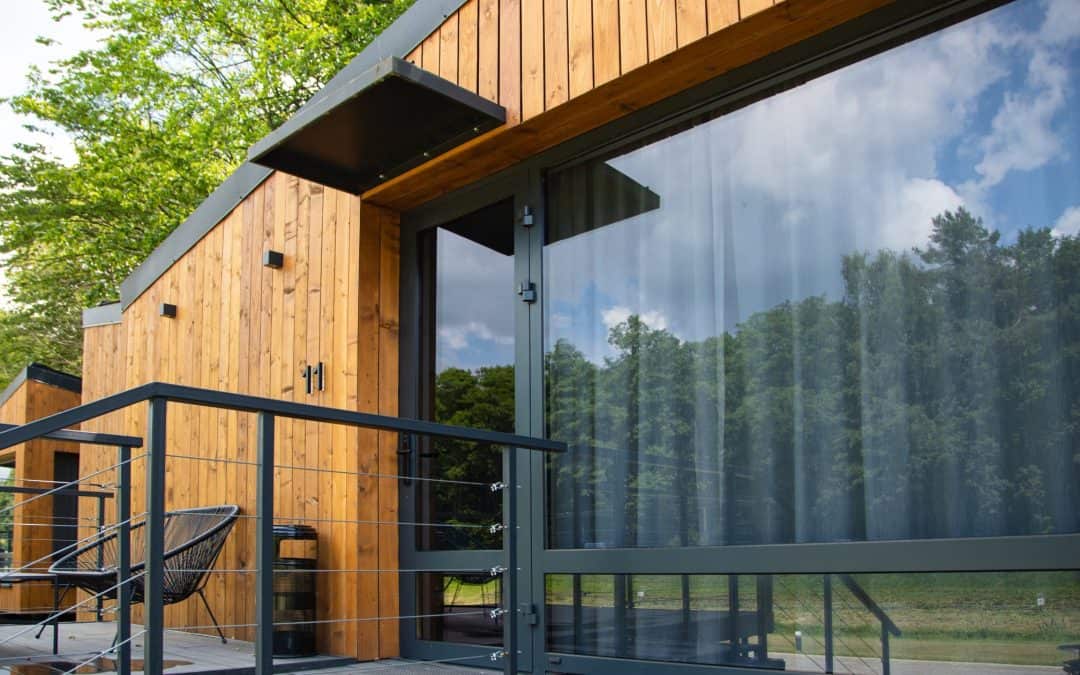
Adding a home addition is a major project that requires careful planning and decision-making. With growing awareness of climate change and the environment, incorporating sustainable home design into your home addition is a step toward a brighter, sustainable future. A thoughtfully designed space not only reduces your carbon footprint but also creates a healthier environment for your family while saving on electricity bills over time.
This guide explores innovative ways to incorporate eco-friendly choices into your home addition. From sustainable materials to energy-efficient systems, you’ll discover practical steps to build a green future that benefits both your family and the natural environment.
Why Choose Sustainable Home Design for Your Addition?
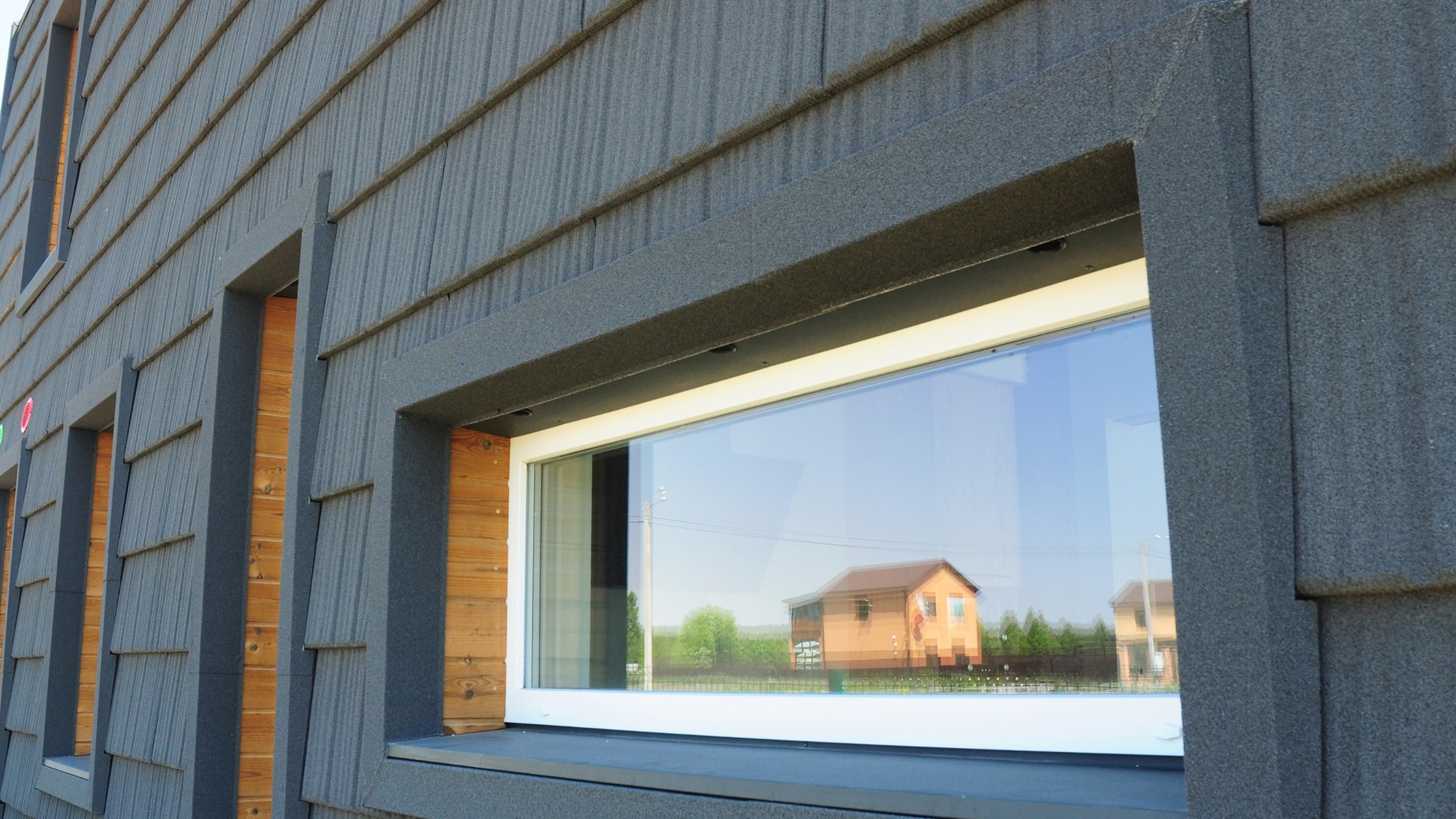
Sustainable living is more than a trend—it’s a crucial role in reducing the environmental impact of our homes. Home additions that incorporate sustainable practices can dramatically lower energy consumption, improve water conservation, and enhance comfort.
Did you know? A well-designed eco-friendly house may reduce monthly utility bills by up to 30%, thanks to features like LED lighting and smart thermostats.
Benefits of Sustainable Home Design for Home Additions
Lower Carbon Emissions: Using eco-friendly materials and renewable energy sources helps decrease your home’s contribution to greenhouse gas emissions.
Reduced Costs: Energy-efficient upgrades, like tankless water heaters and passive house designs, reduce energy expenses over time.
Enhanced Resale Value: A sustainable home is an attractive feature for future buyers.
Healthier Living: Non-toxic natural materials create a cleaner, safer indoor environment.
Positive Impact on Climate Change: Every eco-friendly house contributes to reducing the strain on natural resources.
Key Elements of a Sustainable Home Design
1. Using Locally-Sourced Natural Materials in Your Home Addition
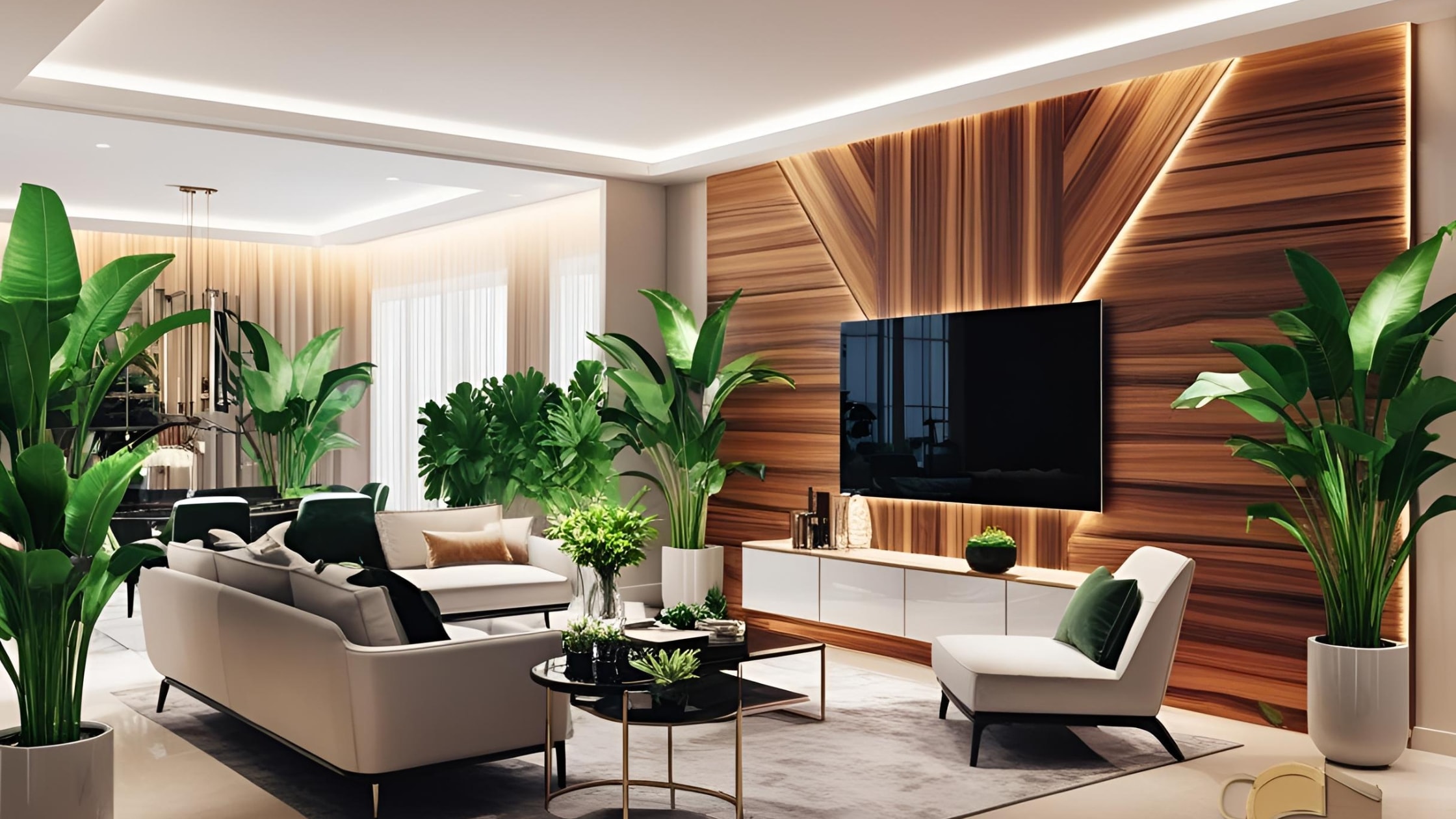
Incorporating natural materials into your home addition is a smart way to add warmth, character, and a timeless aesthetic to your living space. Opt for materials like reclaimed wood, stone, and bamboo, which not only look beautiful but also promote sustainability. Choosing locally sourced materials can further reduce your project’s carbon footprint by minimizing the energy required for transportation.
Additionally, consider using recycled materials such as reclaimed bricks, recycled metal, or composite products made from repurposed goods. These eco-friendly construction options help reduce waste and support a circular economy. Natural fibers like cork and wool can also enhance insulation while being renewable and biodegradable.
Quick tip: Consider locally sourced stone or wood for exterior finishes. This saves on transportation costs and supports your local community.
2. Install Energy Efficient Appliances
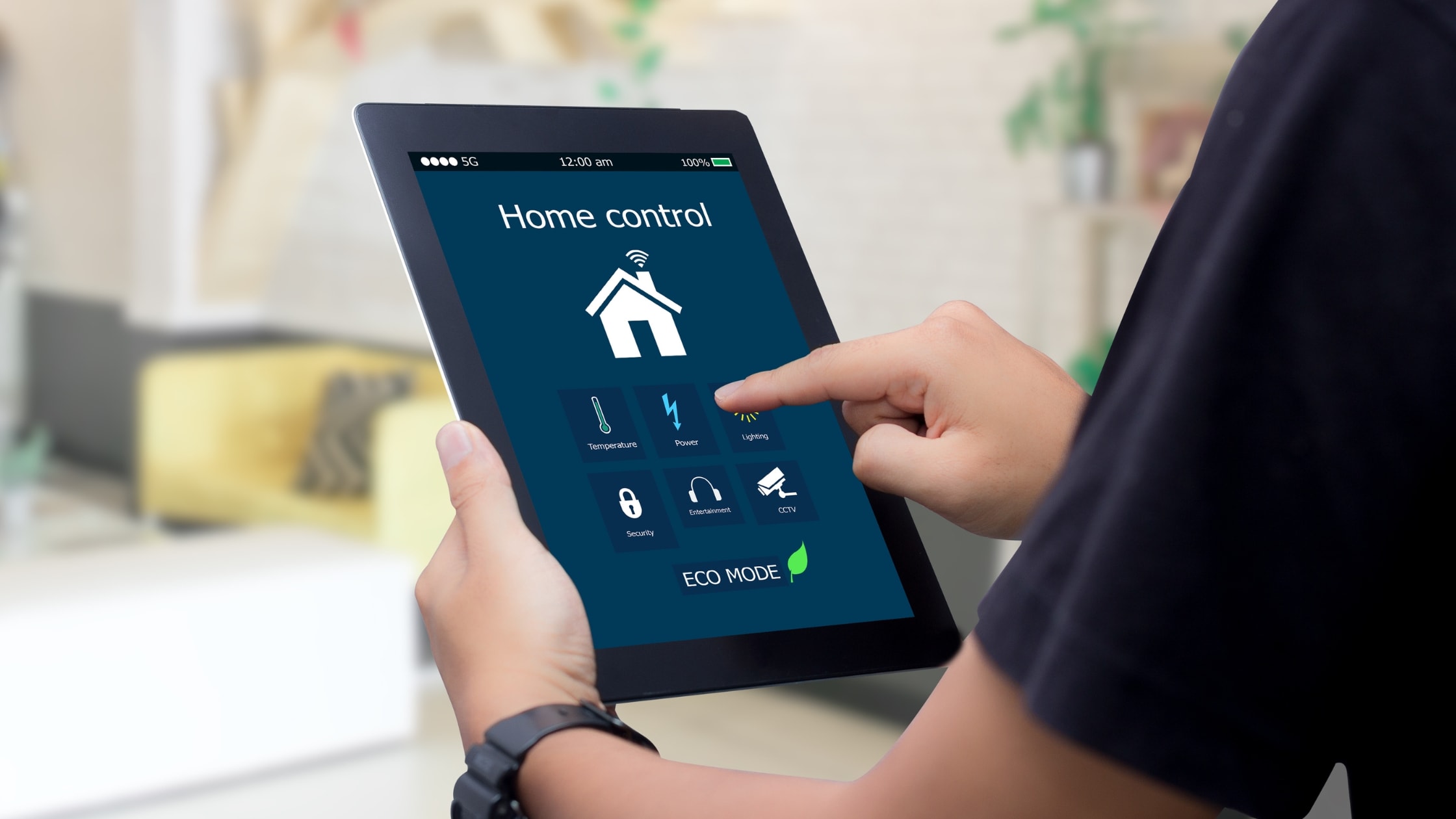
Making the switch to energy-efficient appliances is one of the easiest and most impactful ways to reduce your home’s energy consumption and lower your carbon footprint. Modern energy-saving options, such as smart thermostats, energy-efficient refrigerators, and high-performance dishwashers, are designed to optimize performance while using less electricity or water. These appliances can significantly cut your monthly utility bills and save you money.
Why Choose Energy Efficient Appliances?
Energy-efficient appliances are not only better for the environment but are also equipped with advanced technology to ensure maximum functionality. For example, smart thermostats provide precise temperature control and can even learn your habits to adjust settings automatically, while energy-saving washing machines use less water and power without sacrificing cleaning power.
Long-Term Benefits
Investing in energy-efficient appliances may have a higher upfront cost, but the long-term savings on energy bills and the reduction in your household’s environmental impact make it a worthwhile investment. Additionally, many energy-efficient products qualify for rebates or tax incentives, which can further offset the initial expense.
Did you know? Replacing traditional water heaters with tankless water heaters may reduce heating water costs by up to 15% annually.
3. Opt for a Passive House Design
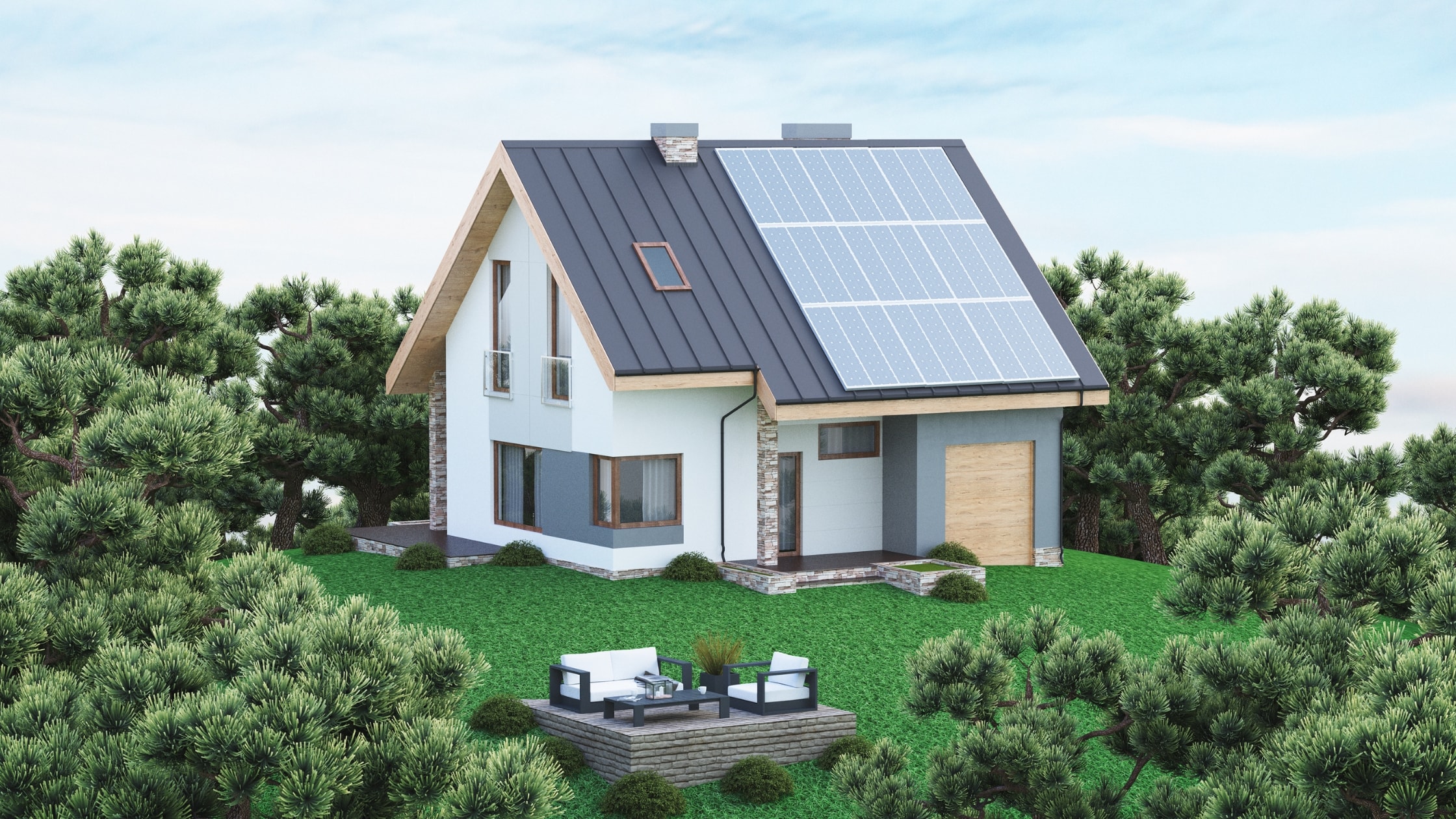
A passive house is a highly energy-efficient building standard designed to provide exceptional comfort while minimizing environmental impact. These homes focus on natural airflow, superior insulation, and advanced technology to reduce heating and cooling needs throughout the year. The goal is to create buildings that consume very little energy for temperature regulation, making them both practical and sustainable.
Key Features of a Passive House
Passive houses are built with airtight construction, which prevents energy loss and drafts, ensuring a consistent indoor temperature. High-performance insulation in walls, roofs, and floors plays a crucial role in reducing the need for external heating or cooling systems. Additionally, triple-glazed windows and strategically placed shading optimize the use of natural sunlight while preventing overheating.
Modern HVAC systems, including energy recovery ventilators, maintain fresh air circulation without wasting energy. This combination of features makes passive houses not only cost-effective to run but also significantly reduces carbon footprints.
Why Choose a Passive House?
These homes are designed to prioritize comfort, sustainability, and long-term savings. By using energy-efficient technologies and materials, a passive house ensures lower utility bills and a healthier indoor environment. They are increasingly popular among homeowners seeking eco-friendly solutions that align with modern environmental standards.
From cutting energy costs to reducing reliance on fossil fuels, passive houses represent a forward-thinking approach to sustainable living.
4. Maximize Natural Light in Your Space
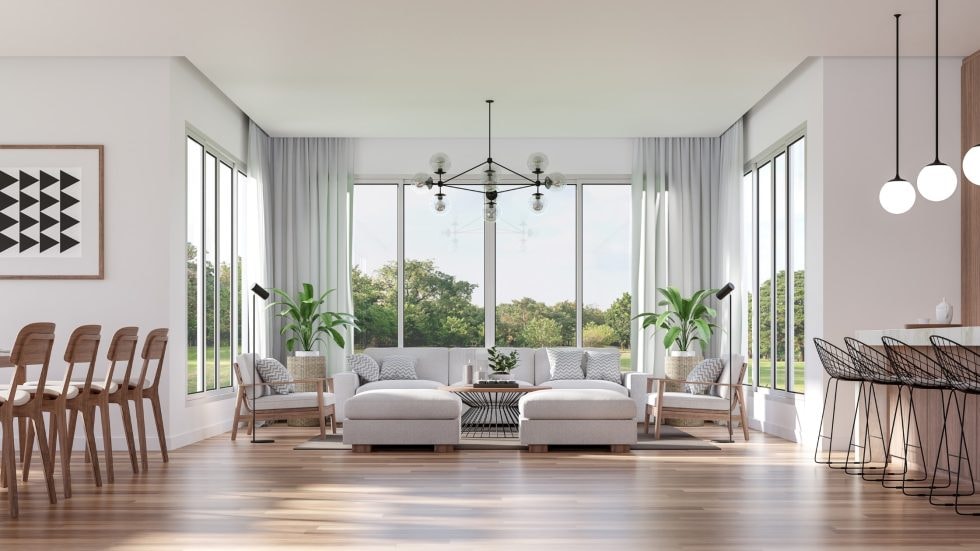
Making the most of natural light is one of the easiest and most effective ways to enhance your home or workspace while saving energy. Proper use of natural light reduces your reliance on artificial lighting, lowers electricity bills, and helps create a more inviting atmosphere.
Benefits of Natural Light
Natural light has been shown to boost mood, improve productivity, and even promote better sleep patterns. By incorporating large windows, skylights, or light wells into your design, you can brighten your space and create a stronger connection to the outdoors. This connection to nature, often called biophilic design, can have a calming effect and improve overall wellness.
How to Incorporate Natural Light
To maximize the impact, consider installing floor-to-ceiling windows or glass doors in key living areas, allowing sunlight to flood the space. Add skylights to darker rooms like hallways or bathrooms, and use light-colored walls and reflective surfaces to help distribute sunlight throughout your space. Strategically placed mirrors can also amplify natural light and make a room feel larger.
Quick tip: Position south-facing windows to take advantage of sunlight during colder months, cutting heating costs.
Green Features to Integrate Into Your Home Addition
1. Upgrade to LED Lighting
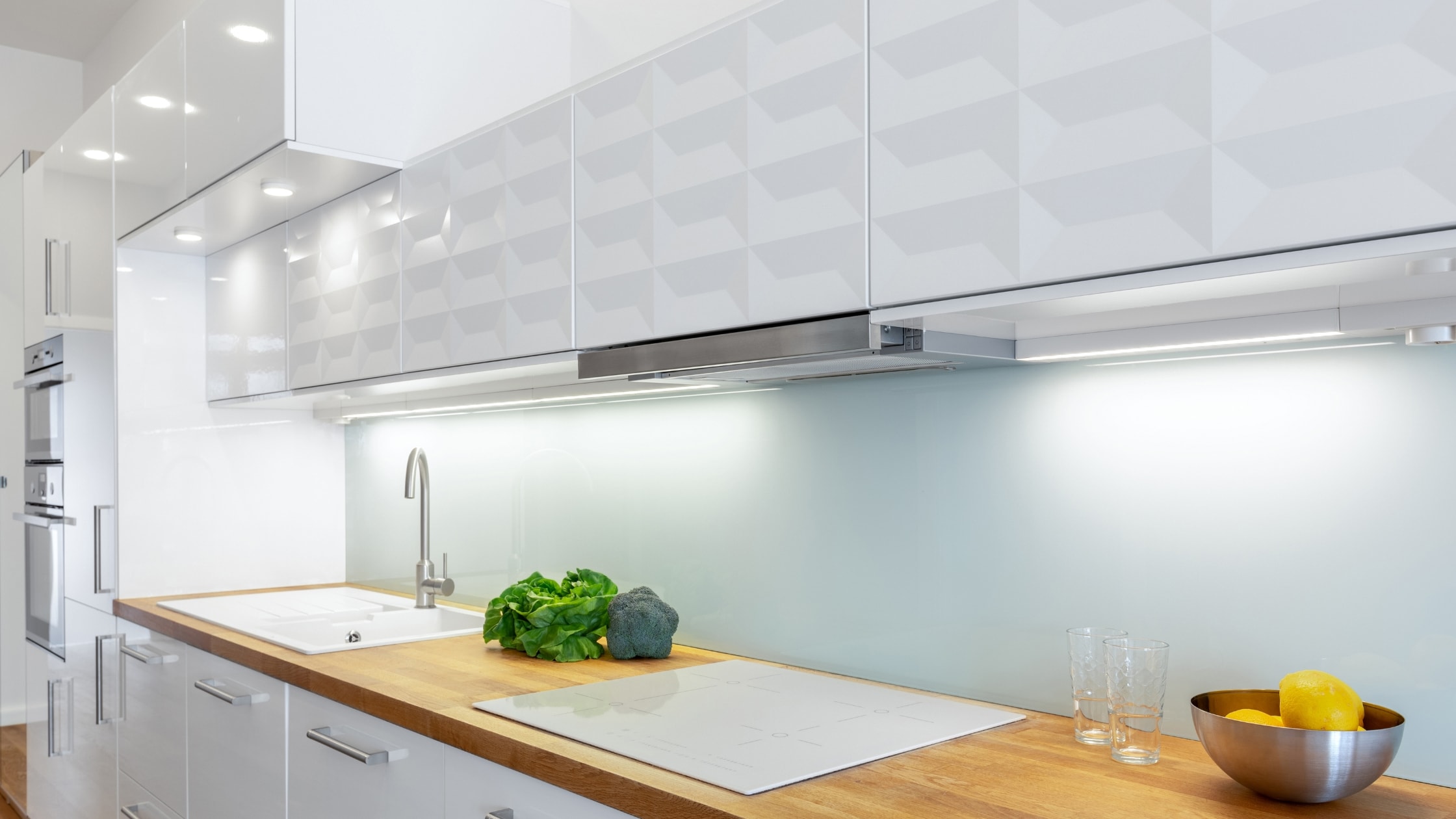
Traditional lightbulbs consume more energy and generate additional heat. Switching to LED energy-efficient lighting is an easy way to achieve energy efficiency while improving your addition’s ambiance.
2. Implement Rainwater Harvesting Systems
Rainwater harvesting systems capture and store rainwater for non-potable uses like irrigation and cleaning. Incorporating this technology can conserve water and reduce water waste, making your home addition more sustainable.
3. Use Renewable Energy Sources
Solar panels are one of the most popular renewable energy solutions for residential properties. They allow you to harness clean energy from the sun to power your addition, decreasing both your energy expenses and your dependency on the grid.
Quick tip: Check if your local government offers tax incentives or rebates for installing solar panels.
4. Build with Recycled Materials and Recycled Wood
Construction waste is one of the major contributors to landfill use. By incorporating recycled materials such as reclaimed wood, you can help reduce waste and create a unique, stylish space.
Collaborating with Professionals for a Sustainable Home Addition
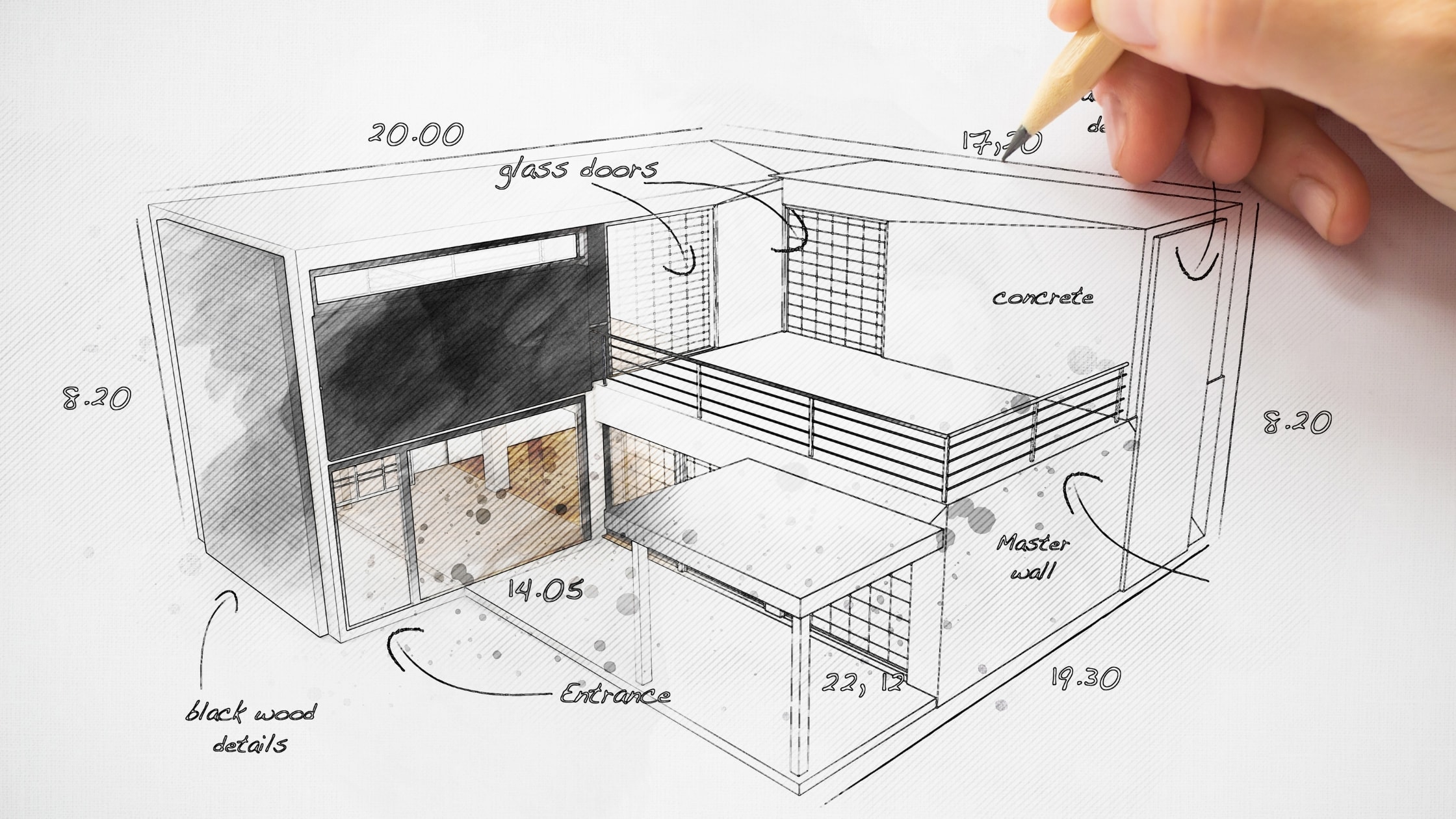
When planning a sustainable home addition, partnering with experienced professionals is crucial to achieving your eco-friendly goals. Professionals can provide expert guidance on meeting green building standards, such as those outlined by organizations like the Green Building Council, and ensure your project incorporates sustainable home design building practices from start to finish.
Matching Style and Materials for a Seamless Look
One key aspect of any home addition is ensuring the new space blends seamlessly with your existing home. This involves carefully selecting styles, materials, and finishes that complement your current architecture. Proper planning not only enhances the overall aesthetic but also boosts your home’s resale value. For practical insights, check out this guide on How to Seamlessly Blend a Home Addition with Your Existing Space.
Streamlining Construction with the Design-Build Process
The Design-Build Process is another effective way to simplify home additions while integrating sustainable home design principles. This approach combines design and construction under one team, offering flexibility to incorporate energy-efficient solutions, sustainable materials, and innovative green technologies. By working closely with professionals who specialize in this process, you can maintain a clear vision while ensuring every detail aligns with eco-friendly and practical goals. Learn more about how this process works in this informative guide: The Design-Build Process.
By collaborating with skilled professionals and utilizing proven methods like design-build, you can create a sustainable, functional, and beautiful home addition that meets your needs and supports a greener future.
FAQs
What are the most important steps to take for a sustainable home addition?
Start by selecting sustainable materials, upgrading to energy-efficient systems, and prioritizing natural light. Consider incorporating renewable energy sources and rainwater harvesting systems for long-term benefits.
Does sustainability add to the cost of a home addition?
While some upgrades, like solar panels or tankless water heaters, require an initial investment, they lower maintenance and operational costs over time.
How can I customize a green addition while maintaining a cohesive home design?
Collaborate with a design-build team that specializes in sustainable practices and references architectural styles that match your home.
What are some affordable ways to make a home addition more sustainable?
Opt for recycled or reclaimed materials, install energy-efficient windows, and use low-VOC paints. These small changes can make a big impact without breaking the bank.
Can sustainable home additions increase property value?
Yes, eco-friendly features such as energy efficiency and renewable energy systems are increasingly attractive to buyers and can boost your home’s resale value.
Are there tax incentives for sustainable home additions?
Many regions offer tax breaks or rebates for adding solar panels, energy-efficient appliances, or other green upgrades. Check local programs for details.
Building a Green Future, One Eco-Friendly House at a Time
Your home addition is more than an extra room—it’s an opportunity to contribute to a sustainable future. Whether through rainwater harvesting systems, renewable energy, or energy efficient systems, your choices can have a significant impact.
Looking to start your project? Explore our resources to bring your dream of a sustainable home to life! For inspiration, explore The Homeowner’s Guide to Home Additions.