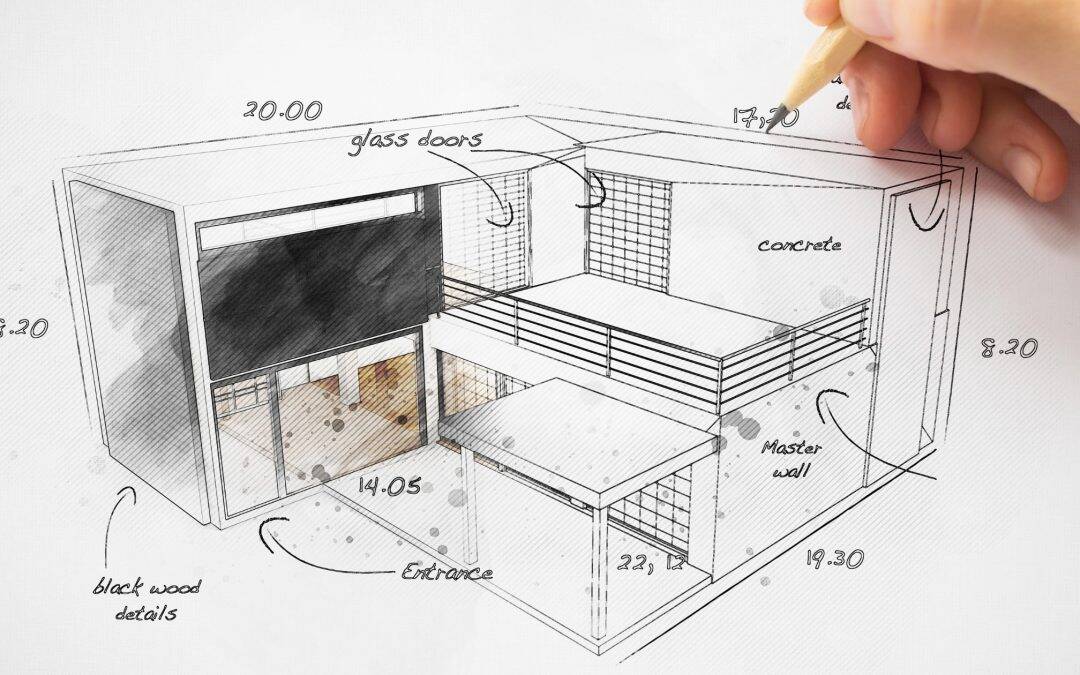
Adding to your home is an exciting project, but it can quickly become overwhelming without the right approach. Between managing budgets, coordinating with architects and contractors, and ensuring your vision comes to life, the process can test even the most organized homeowner.
Enter the design-build method—a streamlined, efficient way to handle both the design and construction phases of your home addition. By using a single team for the entire process, you can simplify planning, reduce headaches, and achieve a successful project that aligns seamlessly with your goals.
This article will explain the design-build process, its benefits, and why it’s the project delivery method you should consider for your next transformation.
What is the Design-Build Process?
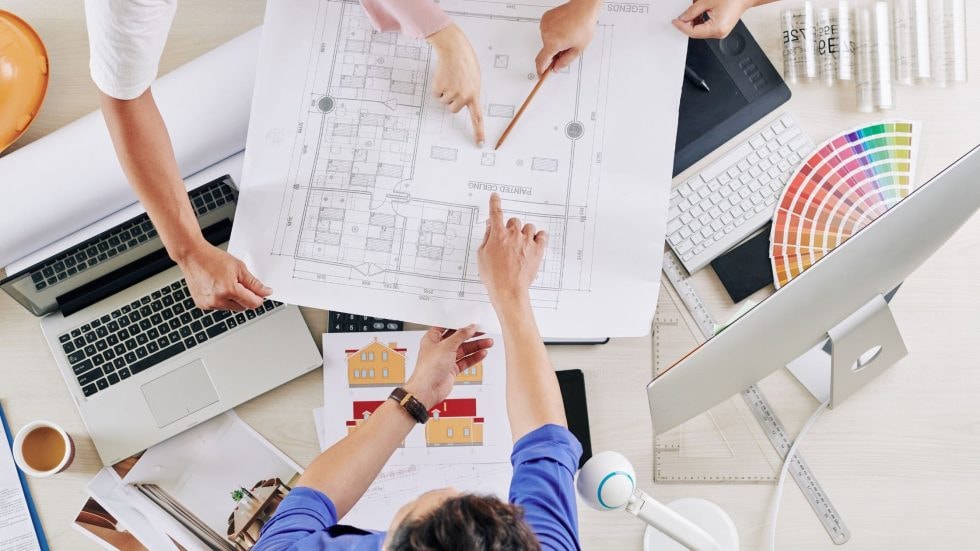
The design-build process is a streamlined approach to construction that eliminates the traditional separation between design and construction services. Unlike the conventional design-bid-build method, where homeowners need to manage separate contracts for architects, designers, and contractors, design-build offers a single, unified team that handles every aspect of the project from start to finish.
How Does Design-Build Work?
In a design-build project, one team is responsible for both the design and construction phases. This means less back-and-forth, fewer misunderstandings, and a smoother overall experience for homeowners. Instead of coordinating between multiple parties, the design-build team collaborates internally to ensure all aspects of the project are aligned.
What Makes the Design-Build Delivery Method Unique?
Here are the key advantages of choosing the design-build method:
Single Source Responsibility
With design-build, you work with one team from start to finish, which simplifies communication. This unified approach reduces the risk of errors, miscommunication, and project delays that often arise when dealing with separate contractors and designers.
Collaborative Nature
Architects, designers, and contractors work together from the outset. This integrated collaboration ensures that your project goals are clearly defined, realistic, and achievable. Everyone on the team works toward the same vision, fostering creativity and innovation.
Efficient Project Planning
Because the design and construction teams collaborate early on, the entire process is more efficient. Timelines are better aligned, and any potential issues are addressed during the planning stages, which helps reduce costly delays during construction.
Benefits for Homeowners
The design-build construction approach is particularly appealing for homeowners looking for a hassle-free experience. It simplifies project management, saves time, and often leads to cost savings because the team can identify and resolve challenges before construction begins.
Whether it’s a home renovation, a custom build, or a commercial project, the design-build method offers an efficient and collaborative way to turn your vision into reality.
Quick tip: The design-build process begins with understanding your goals. Gather photos, sketches, and ideas to give your design team a strong starting point. This supports creativity and efficiency as your team develops your preliminary drawings.
Benefits of Using a Design-Build Team
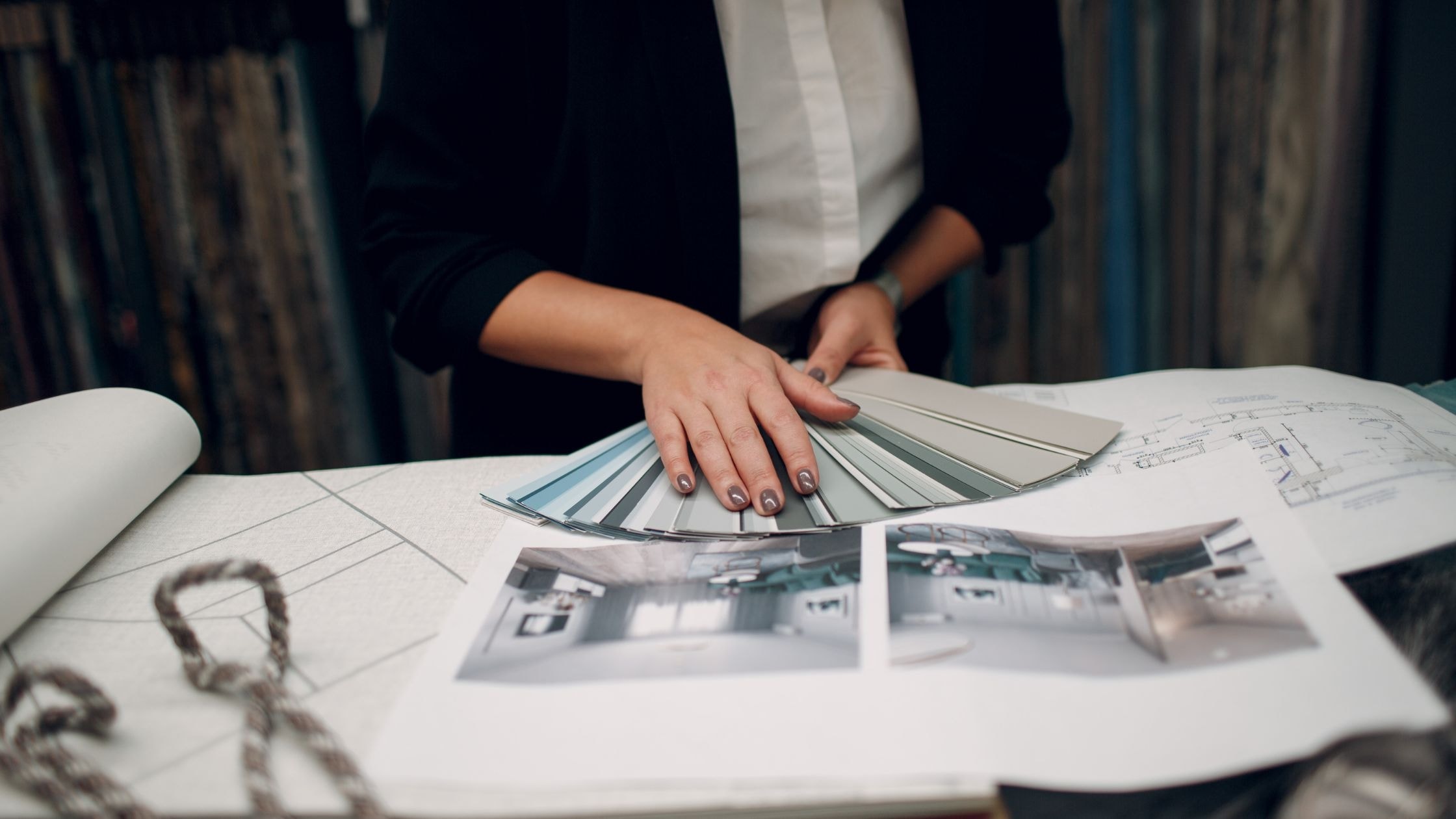
When planning a construction project, success often depends on how well the process is managed from concept to completion. Choosing a design-build team over the traditional design-bid-build approach streamlines the entire experience, offering greater efficiency and collaboration. Here’s a deeper dive into why partnering with a design-build construction team can transform your project.
Simplified Communication for a Seamless Workflow
In the traditional design-bid-build process, miscommunication often arises when managing multiple contractors, architects, and construction teams. This fragmented approach can result in delays, errors, and added stress. With a design-build model, however, one integrated team handles both the design process and construction execution. Everyone works together under a unified flow of information, minimizing communication breakdowns and ensuring that your vision is clearly understood from the start. This streamlined approach saves valuable time and eliminates unnecessary confusion.
Transparency for Better Cost Management
Budget control is one of the most critical aspects of any construction project. A design-build construction team provides complete transparency into project costs, offering detailed estimates and realistic budgets during the pre-construction phase. With ongoing cost updates throughout the project, there are fewer surprises—allowing you to make informed decisions and stay on track financially. This method ensures accountability and prevents unexpected expenses, giving you peace of mind from design to final delivery.
Accelerated Project Timelines
Time is money, and the ability to deliver a project quickly without compromising quality is a major advantage of the design-build approach. Because the design process and construction process are fully integrated, there’s no waiting for approvals or handoffs between different teams. This coordination allows the construction schedule to progress smoothly, reducing downtime and increasing overall efficiency. Design-build teams excel in working collaboratively to address challenges as they arise, keeping your project on time and on budget.
Enhanced Collaboration and Accountability
The design-build model fosters collaboration by uniting the design team and construction team under one contract. This alignment creates a single point of accountability, simplifying the decision-making process and ensuring all parties are working toward the same goal. With shared responsibility, the focus remains on delivering the best possible outcome for your project, with fewer disputes or blame-shifting.
Superior Quality and Innovation
When you choose a design-build team, you gain access to professionals who prioritize innovation and quality. The close partnership between designers and builders encourages creative problem-solving, resulting in solutions that are both functional and aesthetically pleasing. This integrated approach allows for greater attention to detail and ensures that every aspect of the project meets your expectations.
Did you know? The pre construction phase can include conversations about sustainable practices. Incorporating eco-friendly materials and energy-efficient systems not only benefits the planet but can also reduce construction costs in the long run. Learn more about green building practices.
Key Components of the Design-Build Method
Collaborative Design Phase
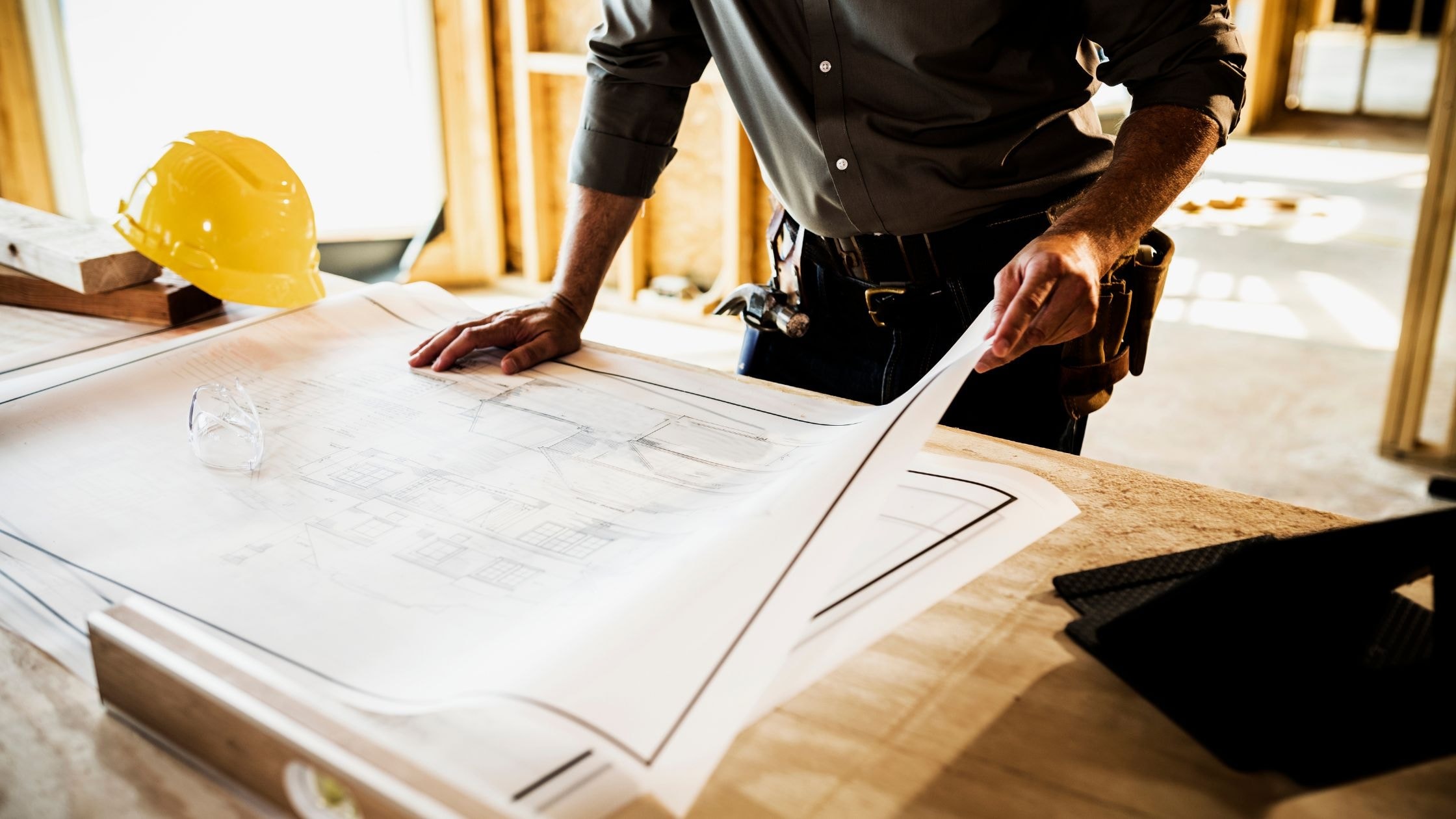
The design phase is where your ideas and vision come to life. In this stage, the design-builder collaborates closely with you to transform your concepts into detailed preliminary drawings. This includes everything from layout adjustments to choosing the right materials, ensuring the design aligns perfectly with your expectations. This phase establishes a strong foundation for the entire construction project delivery method, streamlining the process for efficiency and accuracy.
One Contract for the Entire Project
A major advantage of the design-build method is simplicity. Your home addition or remodeling project is managed under one contract, eliminating the need to juggle separate contracts for architects, engineers, and builders. With this streamlined approach, all aspects of the project, from design to construction, are handled by a single entity, ensuring clear communication and reduced complexity. This method not only saves time but also helps avoid the potential risk of miscommunication between multiple parties.
Integrated Construction Process
The design-build team isn’t just responsible for creating a design; they also take charge of managing the construction process. This integrated approach is often referred to as “single source responsibility” and ensures that the project schedule, budget, and expectations are met seamlessly. By overseeing both design and construction, the team minimizes delays, optimizes resources, and ensures every phase of the project progresses smoothly. This coordination between design and construction delivers consistent quality and keeps the project aligned with your vision.
Streamlined Project Delivery Method
By combining design and construction into one cohesive process, the design-build method significantly accelerates project timelines compared to traditional methods. This integration reduces downtime between phases and eliminates redundancies, allowing your project to be delivered faster without sacrificing quality. From start to finish, the design-build approach focuses on efficiency, transparency, and delivering a final product that exceeds expectations.
Comparing Design-Build to Traditional Design-Bid-Build
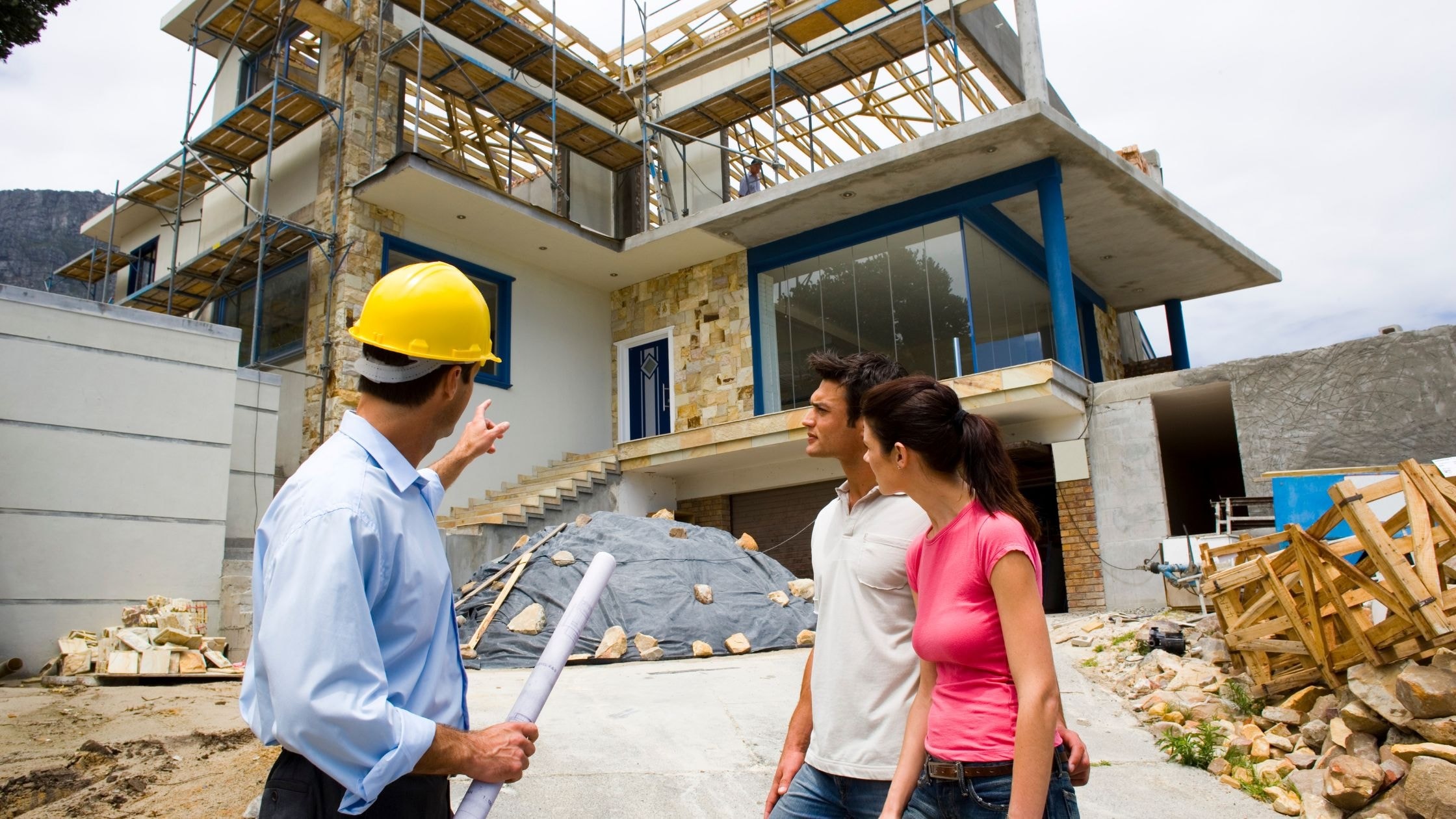
The traditional design-bid-build method is a widely used construction approach where the design and construction phases are completely separate. First, the project is fully designed, and then contractors bid on the construction work based on the finalized plans. While this method ensures clear boundaries between design and construction responsibilities, it often leads to delays and unexpected project costs. Adjustments during construction are common, as unforeseen issues arise that weren’t accounted for in the design phase. These changes can significantly impact both the timeline and the budget, creating frustration for project owners.
Benefits of the Design-Build Model
In contrast, the design-build model integrates the design and construction phases into one seamless process managed by a single team. This streamlined collaboration allows for improved communication, quicker decision-making, and fewer errors during project execution. By aligning designers, engineers, and contractors from the start, the design-build model minimizes the risk of costly adjustments and delays.
A key advantage of design-build is its ability to reduce construction spending by identifying potential issues early in the process. This proactive approach ensures that projects stay on budget while also delivering a faster project completion timeline. Additionally, the integrated nature of design-build fosters innovation and flexibility, as the team can adapt quickly to challenges without the need for lengthy back-and-forth reviews.
Ultimately, the decision between design-bid-build and design-build depends on the priorities of your project. For those seeking efficiency, cost savings, and an accelerated timeline, design-build offers a cohesive and effective solution.
Quick tip: Choosing the right design-build firm is critical to your project’s success. Look for an experienced team that matches your style and understands your specific project goals.
FAQs About Design-Build Home Additions
What is the biggest benefit of using the design-build method?
The design-build process focuses on efficiency and collaboration, reducing time and error. It’s ideal for homeowners looking to streamline their projects.
Can the design-build process save money?
Yes! The design-build method offers cost savings through streamlined planning and execution, preventing unexpected delays and their associated costs.
How do I find the best design-build firm?
Choose a design-build firm with proven expertise, positive client reviews, and a portfolio that matches your vision. Ask questions about past design-build projects and their experience with similar delivery models.
What role does the project owner play?
The project owner is actively involved in defining the project’s site, function, and style. With early collaboration, your preferences shape the design and construction process.
Is the design-build approach suitable for all homeowners?
Absolutely. Whether you’re a first-time renovator or an experienced homeowner, this approach suits anyone wanting a unified, efficient delivery method.
Why Choose Design-Build Construction for Your Home Addition
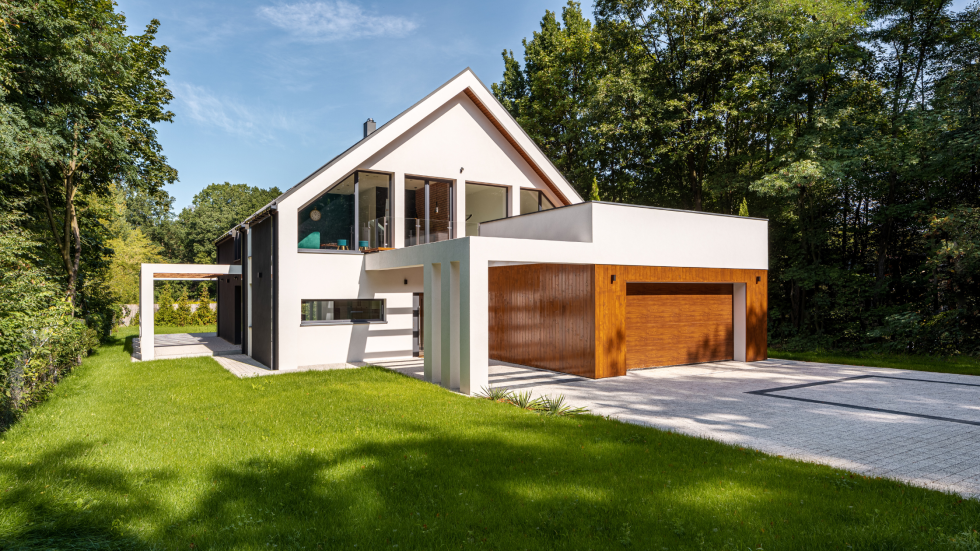
The design-build construction approach is more than just a trend—it’s an improvement over other construction methods. It’s designed to save time, reduce stress, and deliver results that align with your vision. By choosing a design-builder, you’re investing in a process that puts your goals first.
If you’re ready to explore the design and construction services offered by a trusted design-build firm, take a closer look at what’s possible with this model. Learn more about what to expect with design-build timelines by visiting Understanding Home Addition Timelines. For a full guide, check out Building Your Dream Space.
Streamline your next home addition with the design-build process—because your dream space is closer than you think.