
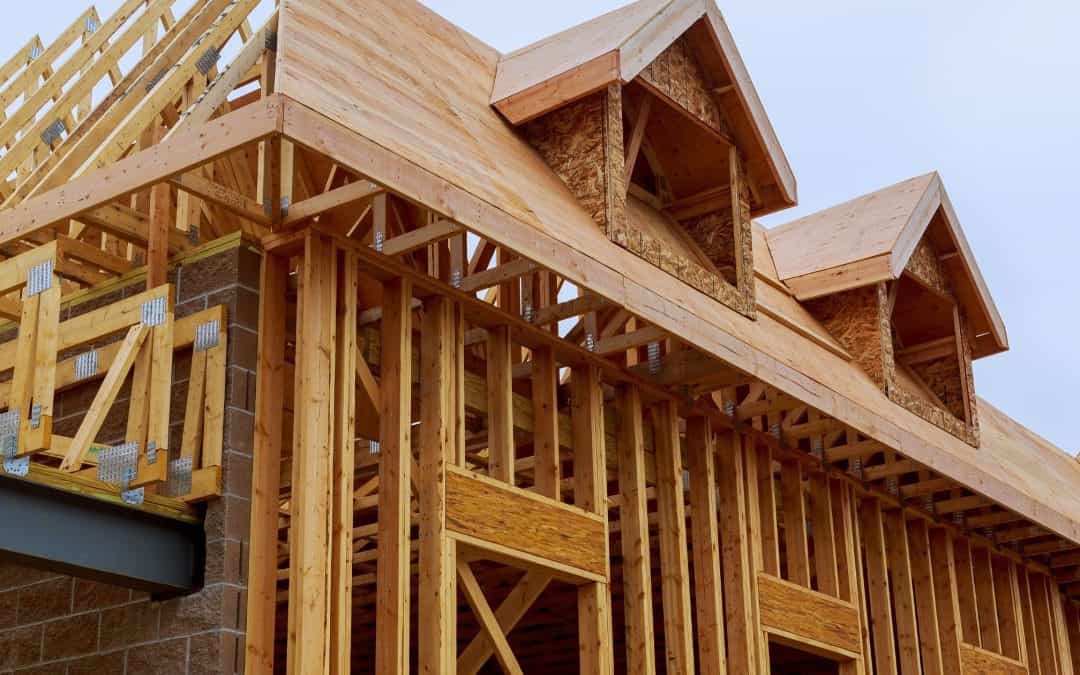
Adding more space to your home isn’t just about creating extra square footage—it’s about enhancing your living space to better suit your lifestyle. Whether you dream of a spacious living room, a second-story addition, or an innovative detached accessory dwelling unit, this guide will walk you through the essentials of home additions while helping you avoid common pitfalls.
Explore everything from design and planning to execution and timelines, with links to detailed articles for in-depth insights. By the end, you’ll have the confidence to tackle your project head-on and maximize the value of your home.
How to Plan a Home Addition
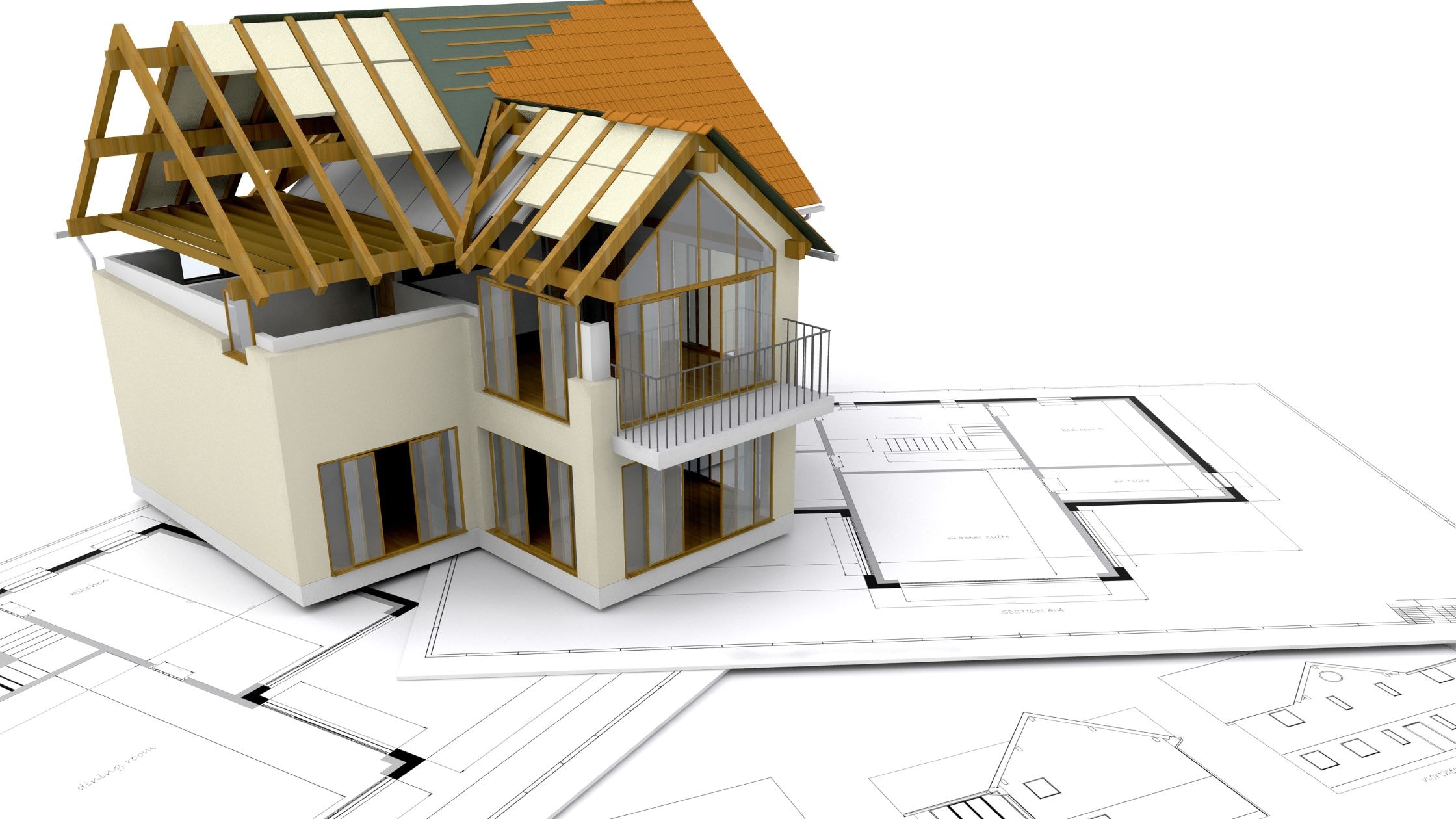
Planning a home addition begins with one fundamental question—what do you need additional space for? Are you envisioning a larger living room to gather loved ones together, a private home office to enhance focus and productivity, or perhaps an extended outdoor living area from the main house to enjoy warm summer evenings or cozy nights under the stars? Taking the time to pinpoint your ultimate goal will serve as the cornerstone for shaping the entire process, influencing everything from design ideas and construction plans to the final finishing details that bring your vision to life.
Creating a Living Space to Fit Your Lifestyle
For some, a home addition may create extra floor space to accommodate a growing family, ensuring enough room for everyone to live, play, and thrive. For others, it might be designing an inviting space for entertaining guests, such as a spacious dining room, a second living room, or even a custom game or media room.
Boosting Value to a Home with Strategic Improvements
Alternatively, you could be focused on increasing value to a home, making strategic improvements that will pay off in the long term, such as an additional bedroom, a luxurious master suite, or a rentable in-law unit. Whatever your goal, understanding your specific needs and how the new space will serve you is essential to guide the entire project in the right direction.
Planning for Success
Every type of conventional house addition comes with unique considerations, making it critical to plan and think each step through. For instance, budgeting remains one of the most important factors—knowing how much you’re willing and able to spend will dictate the project’s size, scope, and material choices. Permits and regulations will also need to be addressed early on, as building codes, zoning laws, and neighborhood restrictions can impact what’s possible and delay progress if not handled properly.
Quick tip: Get clear on your budget early, and add a 10-15% buffer for unexpected costs.
Dive into our step-by-step guide to home addition planning. Read more
Room Additions vs. Second-Story Additions
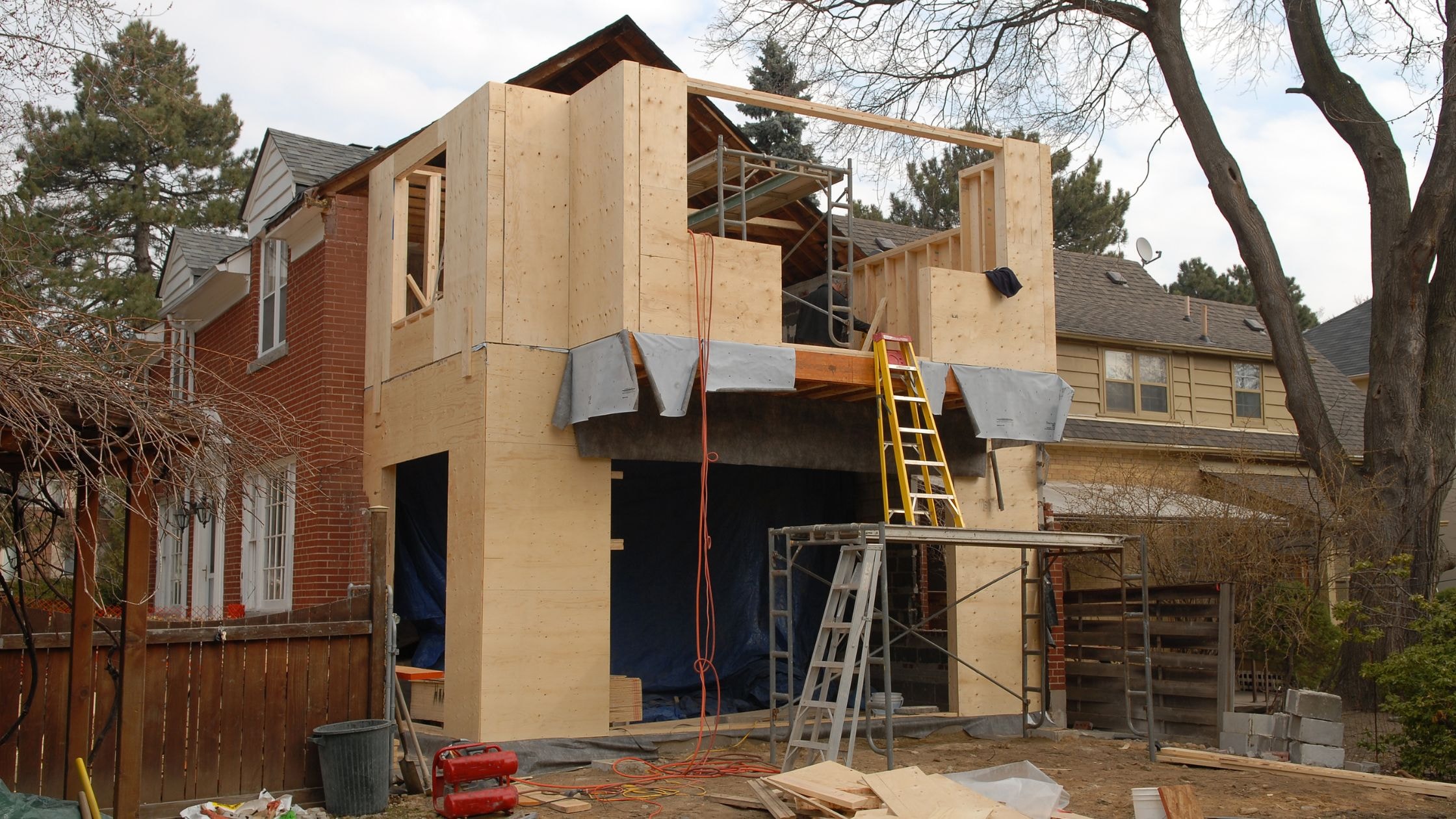
Is a room addition enough, or do you need a second story addition? Both options can transform your home, but each comes with unique benefits and challenges, making it essential to evaluate your goals, budget, and available space carefully.
Room Additions
Room additions are a fantastic way to expand your living space at the ground level, making your home more functional and accommodating for your family’s needs. Whether you’re looking to create a spacious sunroom, add an in law suite, or expand your dining area with a bump-out addition, ground-level expansions enhance comfort and usability in your home.
Room additions are particularly ideal if you have extra yard space and want to maintain easy accessibility within the home. Plus, keeping your home’s layout on a single level can make it more convenient for households with young children, elderly family members, or anyone with mobility concerns. Room additions also allow you to be creative with your home’s design, seamlessly integrating the new space to improve both form and function.
Second Story Additions
Second story additions, on the other hand, are the go-to solution for homeowners who need more space but are limited by small lot sizes or zoning restrictions that prevent building outward. By building up rather than out, a second story addition can significantly increase your home’s square footage without reducing your yard or outdoor areas, which is especially valuable for properties in urban or tightly packed neighborhoods.
A second story can give you the flexibility to add multiple bedrooms, bathrooms, or even a home office, offering a dramatic transformation to your home’s layout. Additionally, building upwards often boosts your home’s value substantially, making it an investment that pays off if you decide to sell. However, it’s important to remember that second story additions typically require structural reinforcements to support the new weight, which can add to the complexity and cost of the project.
Ultimately, the decision between a room addition and a second story addition will depend on your specific circumstances, including your budget, the size of your lot, and how you envision your home’s future layout.
Learn which option makes the most sense for your needs. Explore the full comparison
Popular Home Addition Ideas for Growing Families
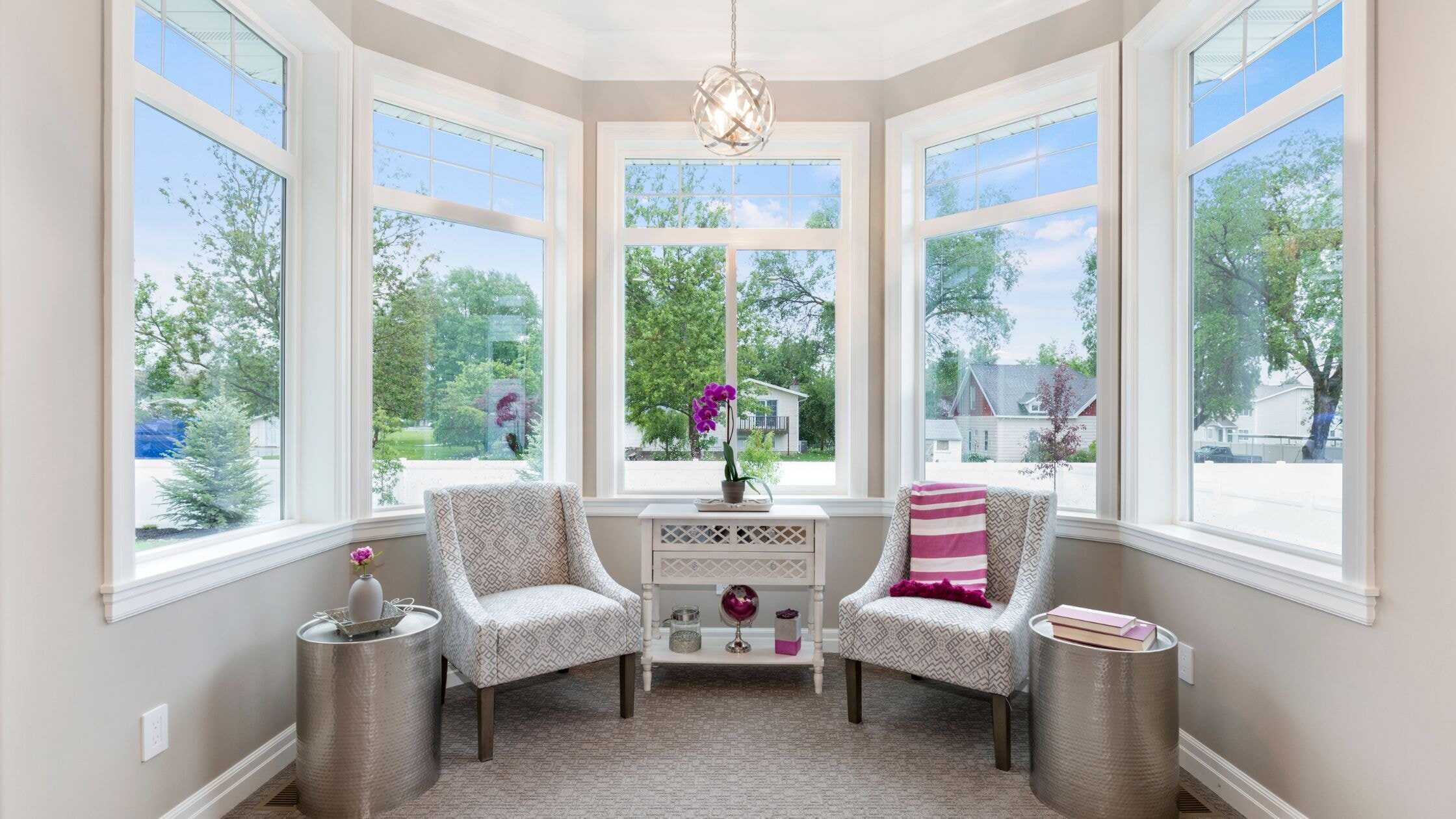
If your family is feeling cramped and in need of additional living space, the good news is that there are a variety of creative and practical solutions to consider. Expanding your home doesn’t just provide more room—it enhances your lifestyle by making your space more functional and enjoyable.
Expand with a Bump-Out Addition
One popular option is a bump-out addition, which allows you to extend specific areas of your home without requiring the extensive work of a full-scale renovation. For example, a bump-out can be used to create a dedicated play area for your children, giving them a space to express their creativity and store their toys, or to expand the kitchen, adding more room for dining, food preparation, or even a cozy breakfast nook for family gatherings.
Build a Detached Accessory Dwelling Unit (ADU)
Building a detached accessory dwelling unit (ADU) could be the perfect long-term solution for families looking to accommodate independent living arrangements or frequent visitors. Often built in the backyard, these separate structures can serve as independent spaces for extended family members, such as aging parents, or as a private guest house for visiting friends. They can also double as a rental unit to increase income, offering flexibility and financial benefits. ADUs are a growing trend, especially in urban areas, where living space is limited, but multi-generational living is becoming more common.
Enhancing Your Home with Outdoor Living Spaces
Outdoor living spaces are a popular home addition that can significantly enhance a property’s functionality and aesthetic appeal. Like any other home addition, a well-designed outdoor living space should align with the home’s architectural style and landscape. Whether it’s a cozy patio, a sprawling deck, or a carefully curated garden, materials, colors, and textures should be thoughtfully selected to create a seamless transition between indoor and outdoor living spaces. Adding pergolas, built-in seating, or outdoor kitchens can further elevate the space, promoting relaxation and entertainment while blending harmoniously with the home’s overall design.
Add a Cozy Family Room
Another idea is adding a cozy family room to bring everyone together in a comfortable, welcoming environment. This room can feature ample seating for movie nights or game days, with integrated storage options to keep the living space organized and free from clutter. Whether it’s built as a sunroom with lots of light or a snug retreat with warm lighting and soft furnishings, it can become the heart of your home.
Whether you plan to add square footage a single room, create an in law suite, or add functionality to your office space, these ideas can help maximize value to a home.
Discover even more ideas tailored to growing families. Find out more
Maximizing Natural Light in Your Home Addition
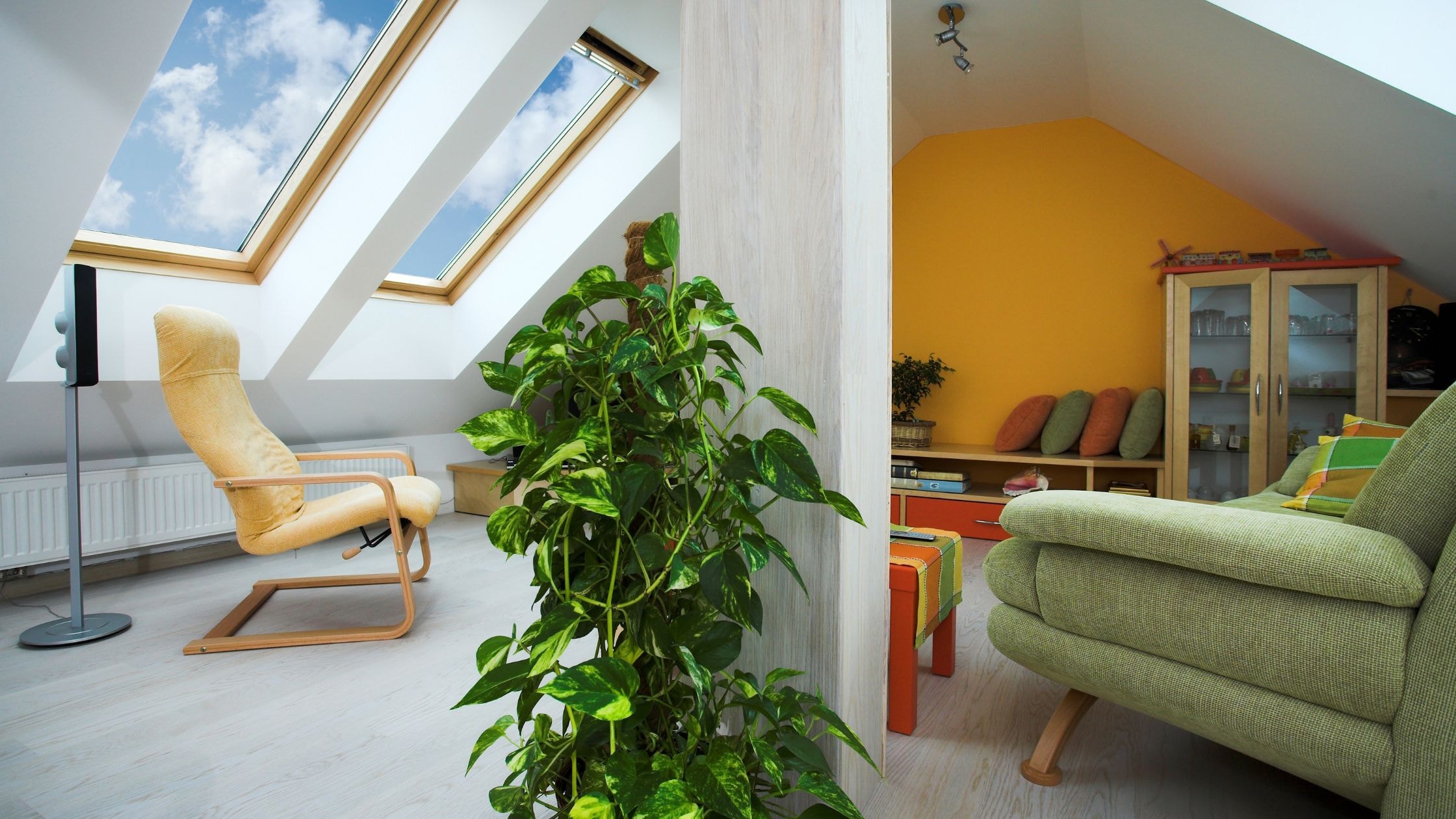
Good lighting is an essential element in designing spaces that feel warm, welcoming, and comfortable. It has the power to transform a room, creating an inviting atmosphere while also enhancing functionality. One of the best ways to improve lighting is to maximize the amount of natural sunlight entering your home. Consider installing larger windows or glass doors, particularly if you’re renovating or adding a connection to an outdoor living area. These features bring in more natural light and create a seamless flow between indoor and outdoor spaces, making your home feel more expansive and integrated with its surroundings.
Skylights: A Bright Addition for Hard-to-Reach Spaces
Skylights are another fantastic addition, especially if you are working on a second-story addition or renovating areas that are harder to brighten with standard windows. Skylights allow sunlight to pour into spaces that might otherwise remain dim, such as hallways, bathrooms, or central rooms without exterior walls. Their placement on the roof lets them bring light directly into your home, making even the darkest corners feel vibrant and alive.
Light Finishes to Maximize Brightness
In addition to structural changes, selecting the right finishes can significantly enhance your home’s brightness. Light-colored finishes for walls, ceilings, and furniture reflect sunlight more effectively, helping to distribute natural light throughout your space. Materials with subtle sheen, such as satin or eggshell paints, can amplify this effect by bouncing light around the room. Mirrors and reflective surfaces, such as glass or polished metals, can also spread light, giving the illusion of a larger, brighter interior.
Creating a Bright and Inviting Ambiance
To make the most of your lighting improvements, it’s essential to think about how each element contributes to the overall ambiance. Whether designing a new space or updating an existing one, focusing on natural light, thoughtful window placement, and strategic finishes can dramatically enhance how your home looks and feels. By prioritizing good lighting, you create a space that not only looks beautiful but feels uplifting, functional, and connected to the world outside.
Did you know? Sunlight can make small spaces feel larger while reducing energy costs!
Learn techniques for brighter, airier home additions. Read more
Blending a Home Addition with Your Existing Space
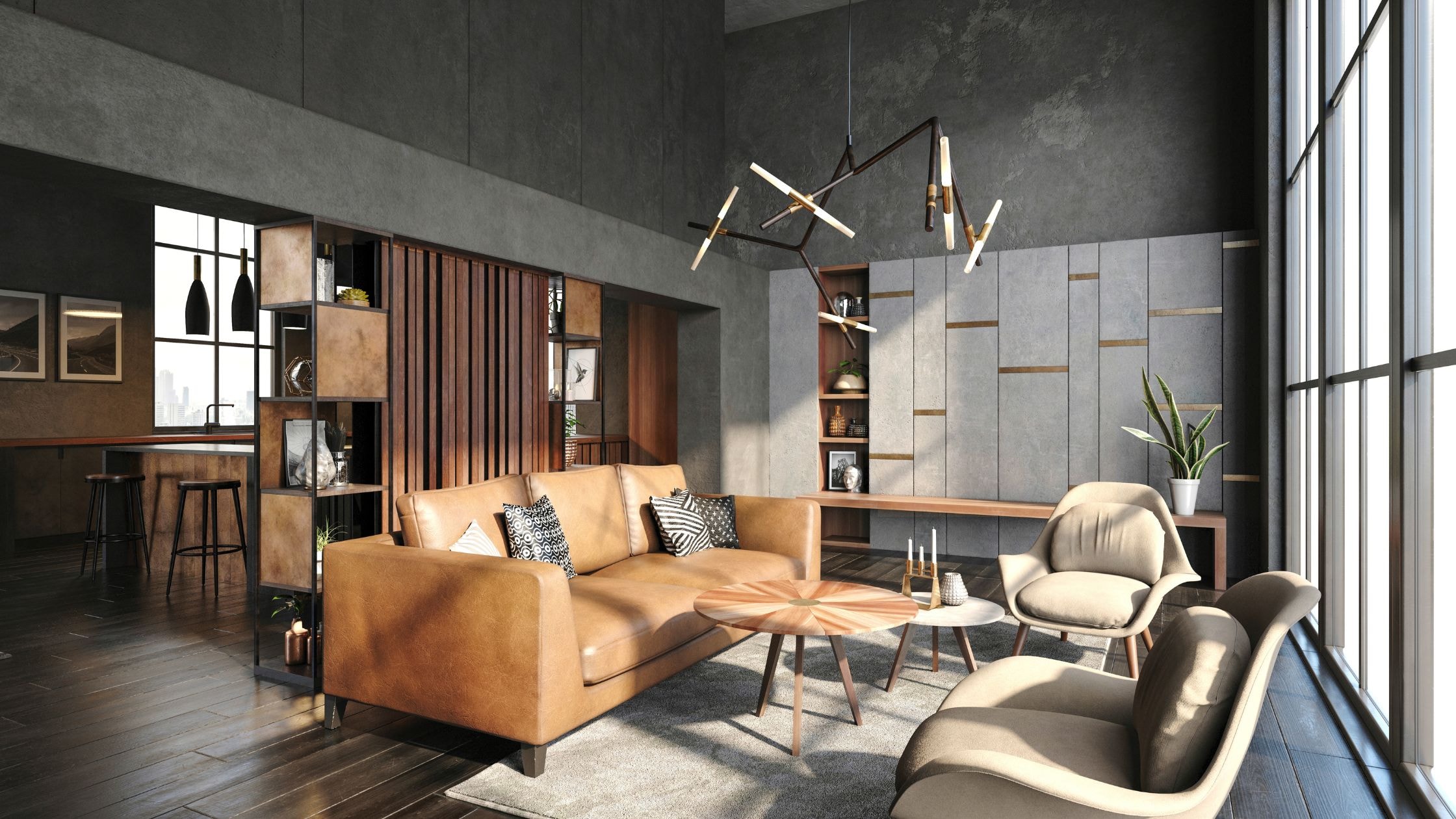
The best home additions seamlessly integrate with the original design of the house, creating a sense of continuity that makes it feel as though the addition was always part of the home. This level of harmony is not achieved by accident—it requires careful consideration, thoughtful planning, and a strong focus on maintaining architectural consistency. Every element of the addition, from the materials used to the finer details of design, must be chosen to blend seamlessly into the existing structure.
Matching Materials for Cohesion
Matching materials is one of the most critical steps in ensuring a cohesive look. This involves using the same or highly similar types of siding, roofing, and flooring as those already present in the home. By doing so, you maintain visual and structural continuity, ensuring that the addition does not stick out as a separate, disjointed entity but instead feels like a natural extension of the original space. This applies to exterior elements like brickwork or shingles and interior details such as wood finishes, paint colors, and flooring textures.
Ensuring Smooth Transitions
Another important factor is the transition between the old and new spaces. Smooth transitions are essential in making the addition feel unified with the rest of the home. This means aligning floors and ceilings to avoid noticeable breaks, uneven surfaces, or mismatched heights that could disrupt the space’s flow.
Focusing on the Details
Beyond the larger elements, the minor details also play a crucial role in achieving a harmonious design. Features like window styles, trim, moldings, and even door hardware should complement the original home’s aesthetic. Consistency in these details helps to tie the entire space together, ensuring that the addition doesn’t look like an afterthought but rather an intentional enhancement.
Balancing Form and Function
Ultimately, creating a seamless home addition is about balancing form and function. By focusing on architectural consistency, material matching, smooth transitions, and cohesive detailing, your addition can enhance your home’s aesthetic and make it feel even more complete. The result is a space that not only serves its purpose but also elevates the overall character and value of your home.
Discover how to achieve harmony in your new living space. See detailed strategies
Incorporating Green Building Practices into Your Home Addition

When planning your home addition, it’s essential to think eco-friendly and prioritize sustainable choices that benefit the planet, enhance the value of your property, and reduce long-term costs. Choosing environmentally responsible options can result in a home that is not only more efficient but also more comfortable and healthier for you and your family.
Use Reclaimed and Recycled Materials
Incorporating reclaimed wood and recycled materials into your construction is a great way to minimize waste while adding unique character and charm to your space. These materials often have a story to tell, giving your home addition a distinctive and warm aesthetic that sets it apart.
Invest in Energy Efficiency
Investing in energy-efficient windows, doors, and insulation can significantly improve your home’s overall energy performance. Proper insulation and high-quality windows help maintain a consistent indoor temperature, reducing the need for excessive heating or cooling and ultimately lowering your utility bills. These upgrades pay off financially and contribute to a more sustainable lifestyle by reducing your home’s carbon footprint.
Consider Renewable Energy Sources
If your home addition includes an ADU, such as a guesthouse or studio, consider integrating solar panels or other renewable energy sources. Solar panels will allow your addition to become more self-sufficient by generating clean energy and enhance your property’s appeal to environmentally conscious buyers. Pairing solar panels with energy storage solutions, like battery systems, ensures your home addition can store energy for use even on cloudy days or during power outages.
Reduce Water and Landscaping Impact
Beyond these features, consider incorporating water-saving fixtures like low-flow showerheads and faucets, as well as rainwater harvesting systems, to further reduce resource consumption. Landscaping around your addition can also embrace sustainability by focusing on native plants that require less water and maintenance while still beautifying the space.
You can create a home addition that seamlessly combines functionality, aesthetic appeal, and environmental responsibility by prioritizing green options like reclaimed materials, energy-efficient upgrades, renewable energy, and water-saving features.
Quick tip: Green practices may qualify for local rebates or tax credits.
Take a closer look at eco-friendly addition practices. Learn more
The Role of Design-Build in Home Additions

Partnering with a design-build firm means entrusting a single, cohesive team to oversee every aspect of your project, from its inception to completion. This integrated approach eliminates the need to juggle multiple contractors, designers, and consultants, ensuring that every phase—from the initial concept and planning to the final stages of construction—is managed seamlessly. The result is a truly streamlined and stress-free experience, where communication is simplified, and your vision is carried out precisely and clearly at every step of the process.
The Alignment Advantage
The design-build method is particularly advantageous because it provides several key benefits that traditional project management approaches often lack. When one team handles all aspects of the project, there is a clear and unified understanding of your goals from the very first sketch to the placement of the last nail. This alignment ensures that your project stays true to your vision without unnecessary complications or misunderstandings arising when working with separate teams. Additionally, this continuity helps establish a strong sense of accountability, as there is no finger-pointing between different parties—everything is managed under one roof.
Faster Timelines and Fewer Delays
One of the standout advantages of the design-build process is its ability to accelerate project timelines significantly. Because the design and construction phases are integrated, the team can work concurrently and anticipate potential challenges early in the process. This proactive approach not only reduces delays but also keeps the project moving forward efficiently, ensuring that your timeline stays on track. In a traditional setup, miscommunications between designers and contractors can often result in setbacks, but with a design-build firm, this risk is minimized, allowing for a smoother and faster execution.
Budget Control and Financial Clarity
Budget control is another critical benefit of choosing the design-build method. Having a single team manage the entire project significantly reduces unexpected costs and financial surprises. The design-build team works closely with you to establish a clear financial framework, ensuring your budget is respected and maintained throughout the process. This level of control provides peace of mind, knowing that your investment is being managed responsibly without compromising the quality of the result.
Choosing a design-build firm means embracing a partnership that prioritizes efficiency, communication, and your ultimate satisfaction. By opting for this innovative method, you’re not just investing in your project—you’re investing in a process that puts your vision front and center, ensuring that a dedicated, unified team handles every detail with care.
Discover how design-build enhances your project. Dive deeper
Understanding Home Addition Timelines
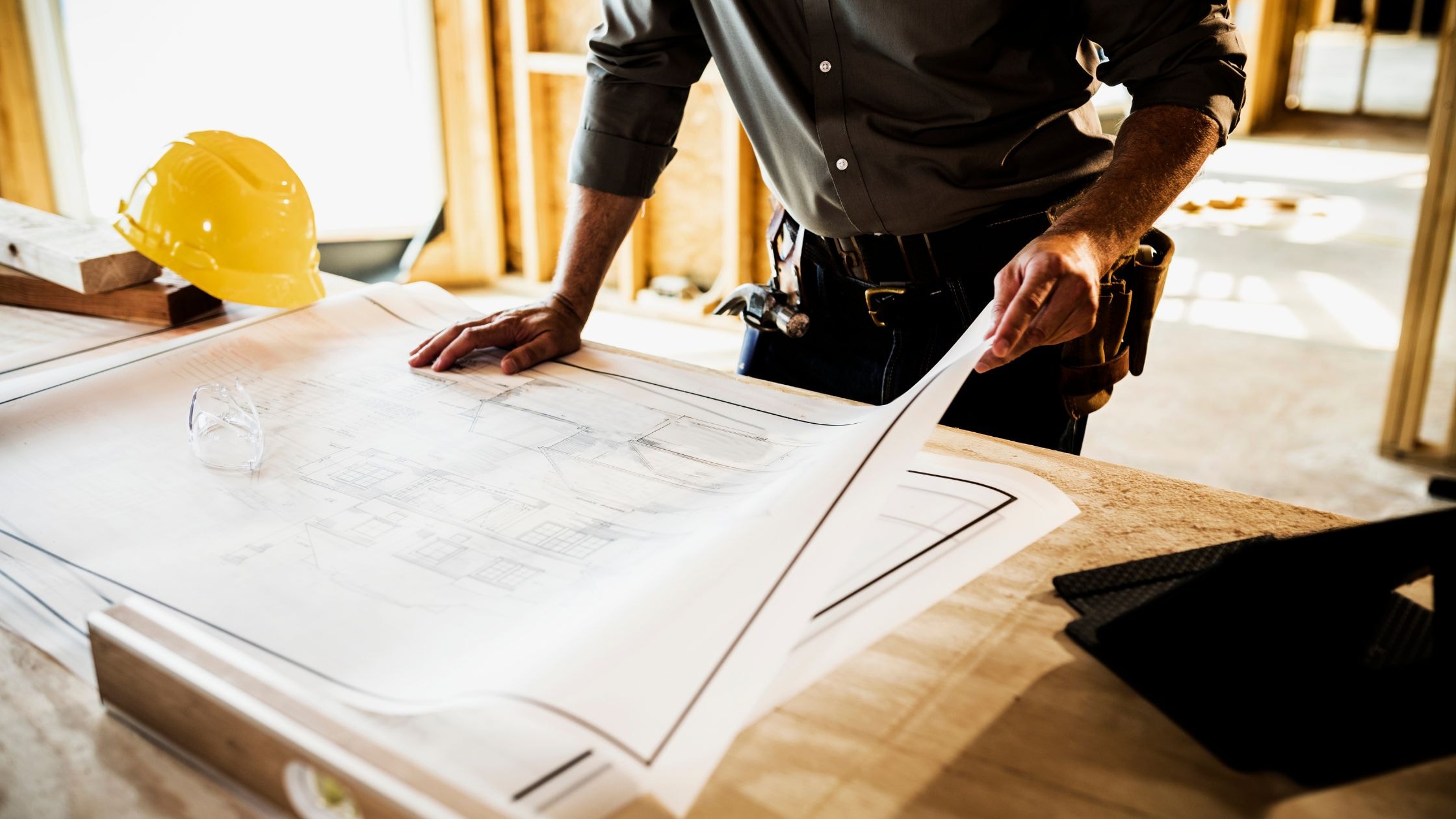
Every home addition project is unique, and various factors can influence its length. Projects like room additions are relatively straightforward, typically taking 2 to 4 months to finish. These include adding new bedrooms, extending living spaces, or building small home offices.
Longer Timelines for Complex Projects
However, the timeline becomes significantly longer for more intricate projects, such as adding a second story to your home. Projects of this scale often extend to six months or more due to the structural complexities involved, such as reinforcing the foundation, modifying the existing roofline, and ensuring the new addition integrates seamlessly with the home’s existing design.
Administrative Delays and Challenges
Beyond construction, the administrative side of the process can also cause delays. Obtaining permits from the local building department, scheduling inspections, and ensuring compliance with building codes can take weeks or months, depending on your location and project scope. Weather conditions, availability of materials, and the contractor’s schedule are additional factors that may impact the timeline.
The Importance of Early Planning
Given these considerations, it’s essential to start planning early. Careful preparation, including budgeting, consulting with professionals, and understanding the steps involved, can help you avoid unexpected setbacks. Having a clear timeline in mind and accounting for potential delays ensures your home addition project unfolds smoothly and meets your expectations.
Stay on track—check out our guide to typical addition timelines. Get the details
Home Additions in Your Area
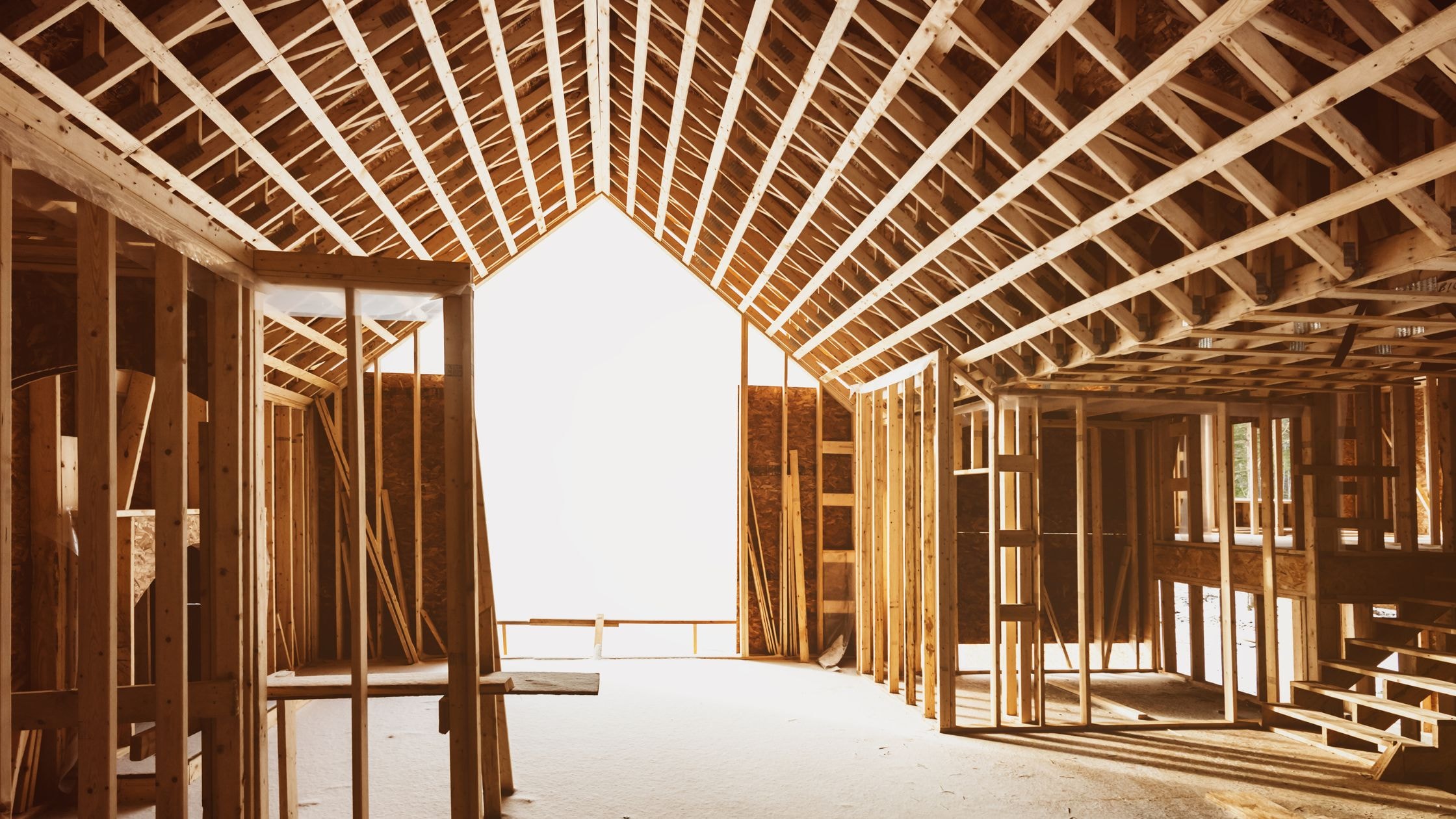
At Choate Builders, we know every Connecticut town has its own character and its own needs for home additions. Whether you’re combining modern styles for a sleek transformation or keeping to stately traditions, local expertise makes all the difference.
Why Local Expertise Matters
New England towns often have unique building codes, historic preservation rules, and home styles that require specialized attention. Local builders bring expertise that ensures compliance while capturing the unique essence of your town’s community.
From historic homes in Greenwich to sprawling suburban properties in Ridgefield, we combine architectural knowledge with local insights. Check out our location-based home addition guides for inspiration and ideas for your area:
Upgrade Your Greenwich, CT Home with a Custom Addition
In Greenwich, where coastal elegance meets architectural distinction, homeowners are discovering innovative ways to expand their prestigious properties. From waterfront estates to historic colonials, a thoughtfully designed addition elevates both lifestyle and property value in this coveted Connecticut community. Our Greenwich home addition guide reveals how to seamlessly blend luxury with functionality while respecting the town’s distinctive character.
Expand Your Living Space in Stamford, CT
Stamford’s dynamic blend of urban energy and suburban comfort creates unique opportunities for home expansion projects. Whether you’re accommodating a growing family or creating dedicated work-from-home space, Stamford’s diverse housing stock offers exceptional potential for transformation. Our Stamford guide showcases how residents are maximizing their investment while embracing the city’s forward-thinking spirit.
Home Additions for Westport, CT Residents
Westport’s distinctive blend of artistic heritage and coastal sophistication creates the perfect environment for innovative home expansions. In this vibrant community where creative expression meets seaside elegance, residents are reimagining their spaces with additions that maximize both waterfront views and entertainment possibilities. Our Westport home addition guide showcases how homeowners are preserving the town’s architectural character while creating light-filled, contemporary spaces that complement Westport’s unique balance of cultural richness and natural beauty. Discover how thoughtfully designed additions can transform your Westport residence into a personalized sanctuary that honors the community’s creative spirit while elevating everyday living.
Transform Your Darien, CT Property with an Addition
Darien’s quintessential New England charm demands additions that honor tradition while incorporating modern convenience. In this exclusive shoreline community, thoughtful expansions preserve architectural integrity while meeting contemporary lifestyle needs. Discover how Darien homeowners are enhancing their coastal retreats through our specialized guide, crafted specifically for this discerning market.
Discover Home Addition Options in New Canaan, CT
New Canaan’s architectural heritage—from mid-century modern masterpieces to classic colonials—provides a rich canvas for sophisticated home additions. This design-forward community appreciates thoughtful expansion that respects original vision while introducing contemporary elements. Our New Canaan guide reveals the possibilities for creating harmonious transitions between existing spaces and new additions that will stand the test of time.
Enhance Your Fairfield, CT Home with an Addition
Fairfield’s relaxed coastal lifestyle inspires home additions that blur the boundaries between indoor comfort and outdoor living. In this family-centered community, thoughtfully designed spaces accommodate everything from multigenerational gatherings to peaceful retreats. Let our Fairfield home addition guide show you how to maximize your property’s potential while embracing the town’s balance of sophistication and seaside charm.
Plan Your Dream Addition in Ridgefield, CT
Ridgefield’s rolling landscapes and historic character create the perfect backdrop for imaginative home expansions. Here, where New England tradition meets artistic sensibility, additions reflect both practicality and creative vision. Our Ridgefield guide showcases how homeowners are preserving historic details while creating contemporary spaces that enhance daily living in this culturally rich community.
At Choate Builders, our commitment to quality and our deep understanding of Connecticut’s homes have earned the trust of hundreds of families in the area.
Take the First Step Toward Your Dream Expansion

Expanding your home is more than just adding more space—it’s about transforming your living environment into a functional, comfortable, and beautiful space that perfectly complements your lifestyle. Whether you envision a cozy room addition for extra living space, a stunning outdoor area to entertain and relax, or a detached accessory dwelling unit to accommodate guests or create a private workspace, the possibilities are endless. Every project deserves thoughtful planning, attention to detail, and expert craftsmanship to ensure your expansion meets and exceeds your expectations.
At Choate Builders, we pride ourselves on turning ideas into reality with precision and care. Our experienced professionals are dedicated to helping you bring your vision to life down to the smallest detail. No matter the size or scope of your home addition, we’ll work closely with you to design and create a space that feels like a seamless extension of your home.
Ready to get started? Visit our Service Page to learn more about our process and how we can help you create the home of your dreams.