
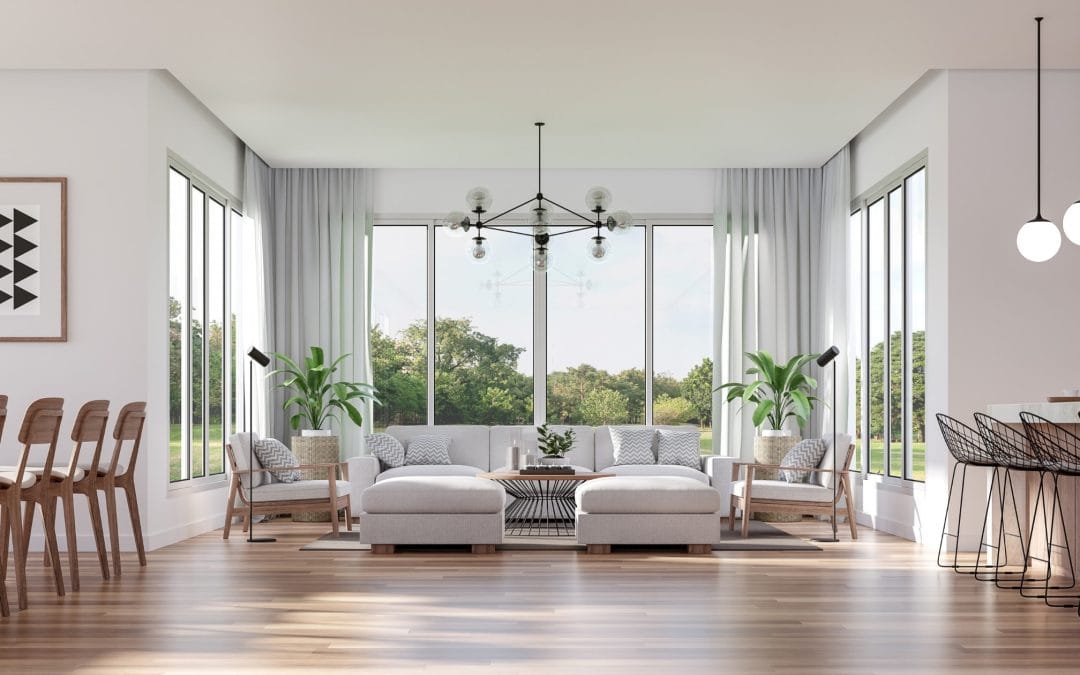
Adding more natural light to your home addition can completely transform your interior. Whether you’re planning a new addition or enhancing an existing space, ensuring your rooms are bright and welcoming can improve your home’s ambiance, boost your mood, and even help cut energy costs. But how do you make the most of natural light during your home addition design? This guide will walk you through practical tips and strategies to achieve a brighter, more inviting home.
Why Prioritize Natural Light in Your Home Addition Design?
Natural light isn’t just about aesthetics; it adds real value to your house. Bright interiors make a room feel larger, more open, and more connected to the outdoors. Studies show natural light plays a role in improving mental wellbeing, productivity, and sleep quality. Plus, it’s energy-efficient, reducing your reliance on electric lighting.
Planning a home addition that maximizes natural light is a smart move for both form and function. Here’s how to make it happen in every part of your home project.
Key Strategies to Maximize Natural Light
1. Strategic Window Placement
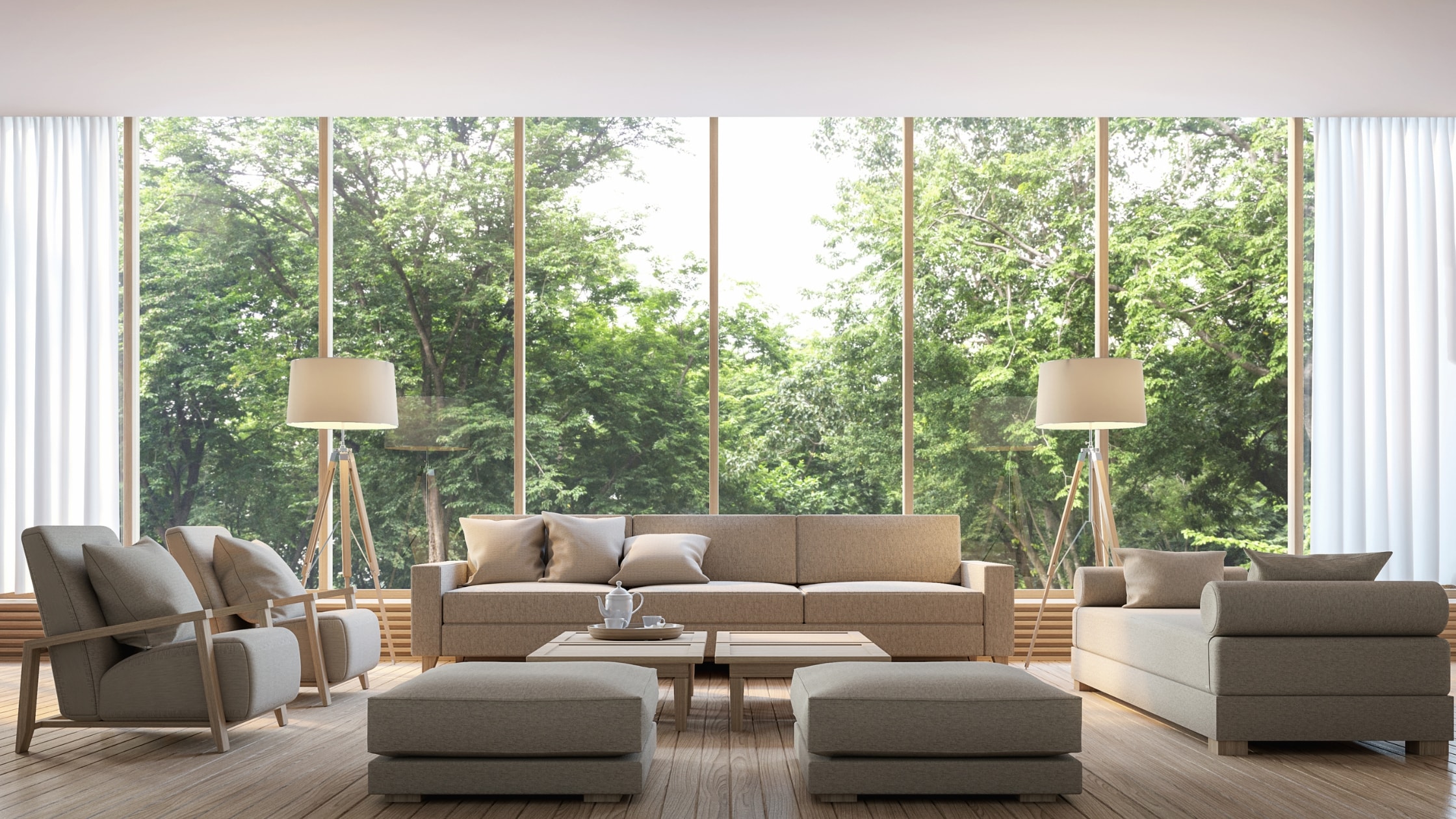
Windows are the most obvious way to bring in natural light, but their placement matters. Prioritize large windows and consider the room’s orientation to make the most of the sun’s movement throughout the day. South-facing windows tend to provide consistent daylight, while east-facing ones capture lovely morning sunlight.
Quick tip: Install window seats or deep sills to not only add style but also offer functional seating or shelving while highlighting your windows.
2. Include Skylights
Skylights are a game-changer when it comes to brightening up darker corners. They’re perfect for a second-story addition, sloped roofs, or smaller spaces where windows may not be an option.
By incorporating skylights in your room addition, you introduce daylight from above, which creates a soft and diffused light that reduces harsh shadows.
Did you know? Skylights can decrease the need for artificial lighting by up to 30% during daylight hours, making your home project more energy-efficient.
3. Connect Outdoor Living Spaces with Glass Doors and Walls
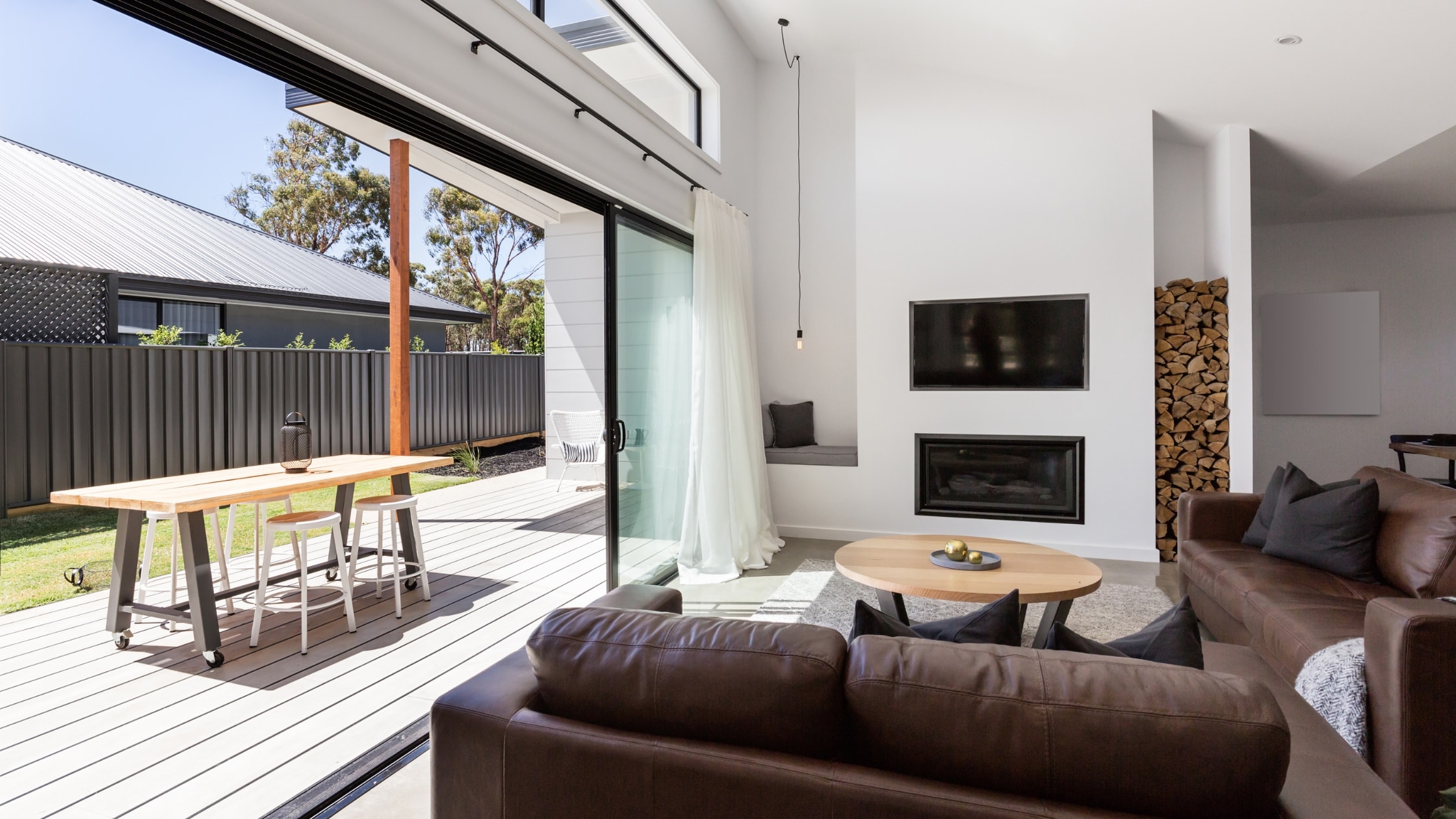
Replacing solid doors with glass ones or adding glass walls enhances visibility and allows light to flow through different areas of your house. Consider sliding glass doors or French doors that open up into your outdoor living space for better connectivity.
When privacy is a concern, frosted or textured glass is a great alternative to maintain separation while still letting in light.
4. Open Floor Plans
Walls block light, so open floor plans are ideal for home addition ideas aiming to maximize brightness. By combining living spaces—like merging your kitchen and dining room—you create open areas where light from windows on one side of the house can flood through the entire layout.
Quick tip: Use half walls or interior glass windows to define certain areas while still letting in the light.
5. Light-Reflecting Materials
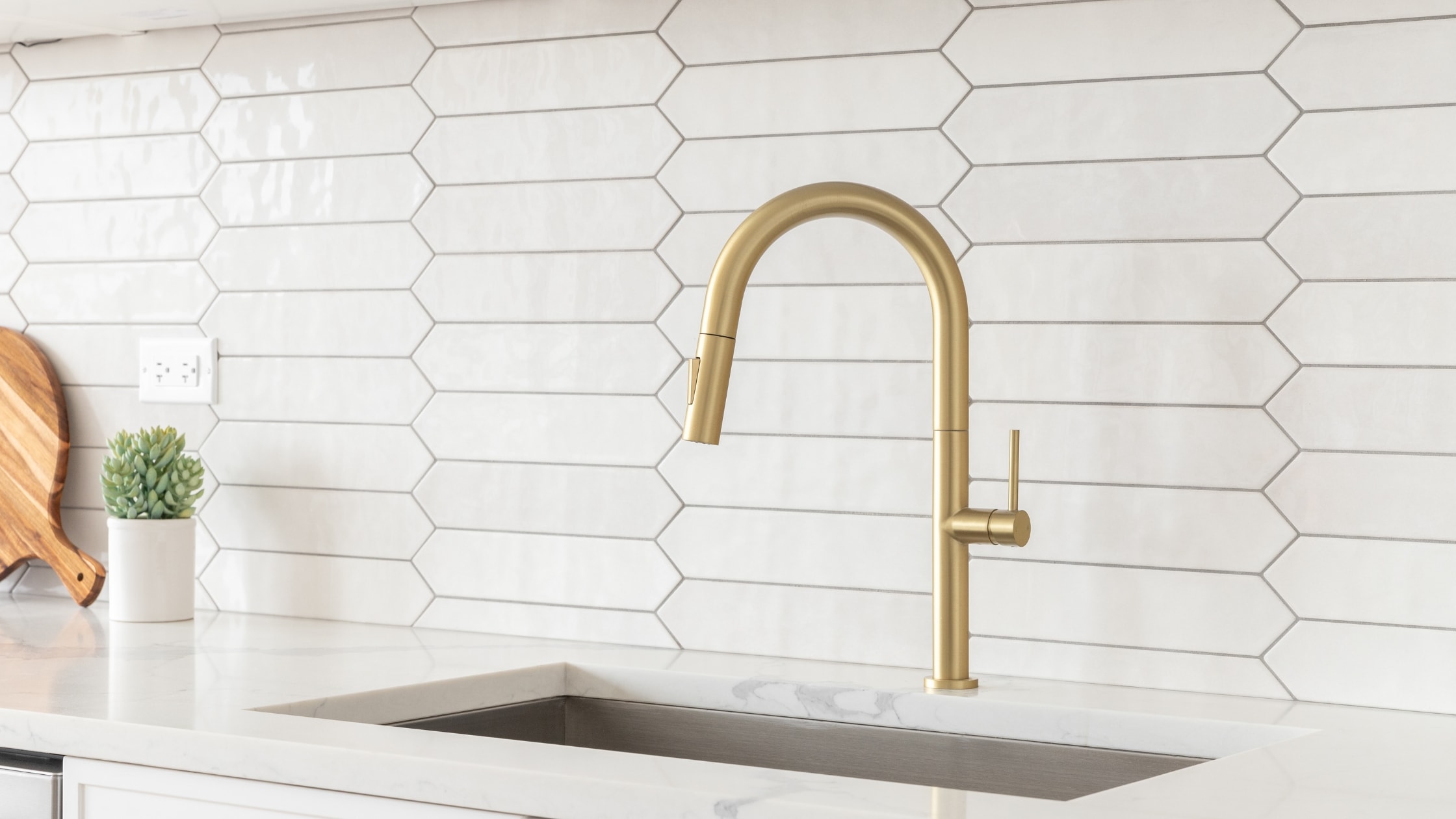
Make the most of every ray of sunlight with materials and finishes that reflect light instead of absorbing it. Lighter-colored walls, mirrors, polished floors, and glossy tiles are all great options for enhancing brightness in your home addition interior design.
Mirrors, in particular, work wonders when strategically placed. A large mirror opposite a window can amplify the amount of natural light bouncing around the room.
6. Increase Ceiling Height
Did you know raising the ceiling in your new addition can make it feel brighter and more spacious? Higher ceilings allow more sunlight to penetrate further into the space. Couple this with tall windows or clerestory windows to take full advantage of the extra height.
Enhancing Multi-Level and Second Story Additions
When working on a two-story addition, lighting the new levels can be challenging yet rewarding. Skylights, staircases with open risers, and even light wells can help ensure that upper stories feel just as bright as the main floor of your house.
If you’re adding a second story addition, tackle the structural challenge early by considering professional designs and layouts. For seamless integration, check out this guide on blending home additions expertly.
Don’t Forget the Building Process Details

Comply with Building Codes
Maximizing natural light often involves structural changes, like installing larger windows or demolishing interior walls. Before starting, ensure these align with local building codes. This step avoids delays and ensures a seamless building process.
Work with Professional Drawings
By working with professional drawings, you can visualize how much natural light your home addition will bring in. This proactive approach ensures you end up with a better idea of the final layout and the amount of sunlight each room will receive.
Quick tip: Discuss lighting as a key design priority in your initial consultation with your architect or builder.
Cost Considerations for Using Natural Light
Upgrading materials to enhance natural light adds upfront costs, but the long-term savings on energy bills and the enhanced resale value of your house make it worthwhile. Factors like high-efficiency windows, skylights, and open layouts affect your budget, so plan accordingly.
Start by deciding on the cost threshold for your home project, and explore smaller changes that achieve your goals without overextending your budget. For more tips on managing project expenses, check out this homeowner’s guide.
Why Natural Light Adds Style to Your Home
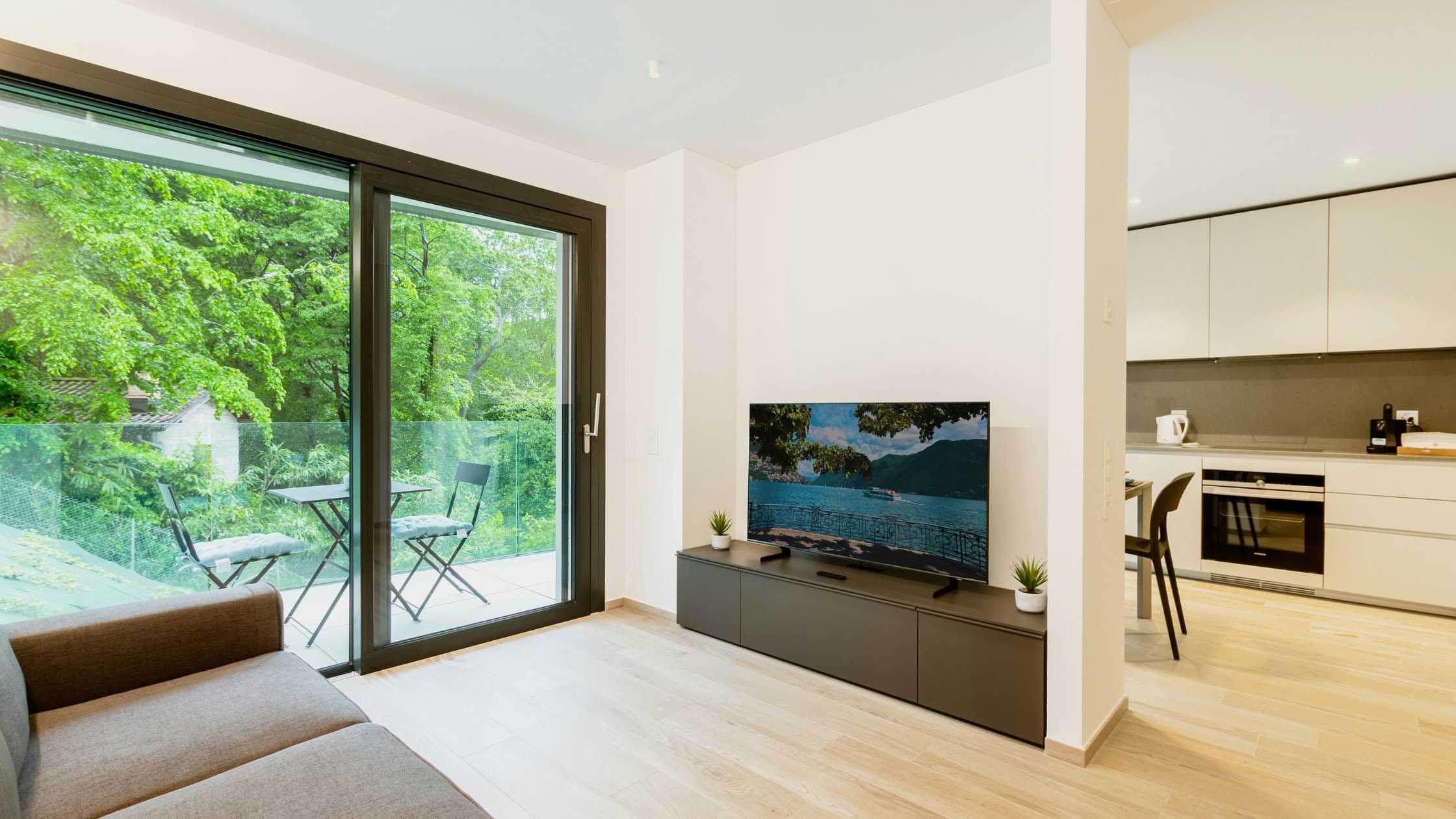
Natural light has a unique ability to elevate the style and character of any space, creating a sense of warmth, openness, and connection with the outdoors. Whether it streams through sleek modern glass walls that blur the lines between inside and out, or spills in through rustic, oversized windows adorned with dramatic curtain treatments that frame the view, sunlight can completely transform a room. It highlights textures, enhances colors, and brings out the best in your furniture and decor.
Stay Inspired with the Right Guidance
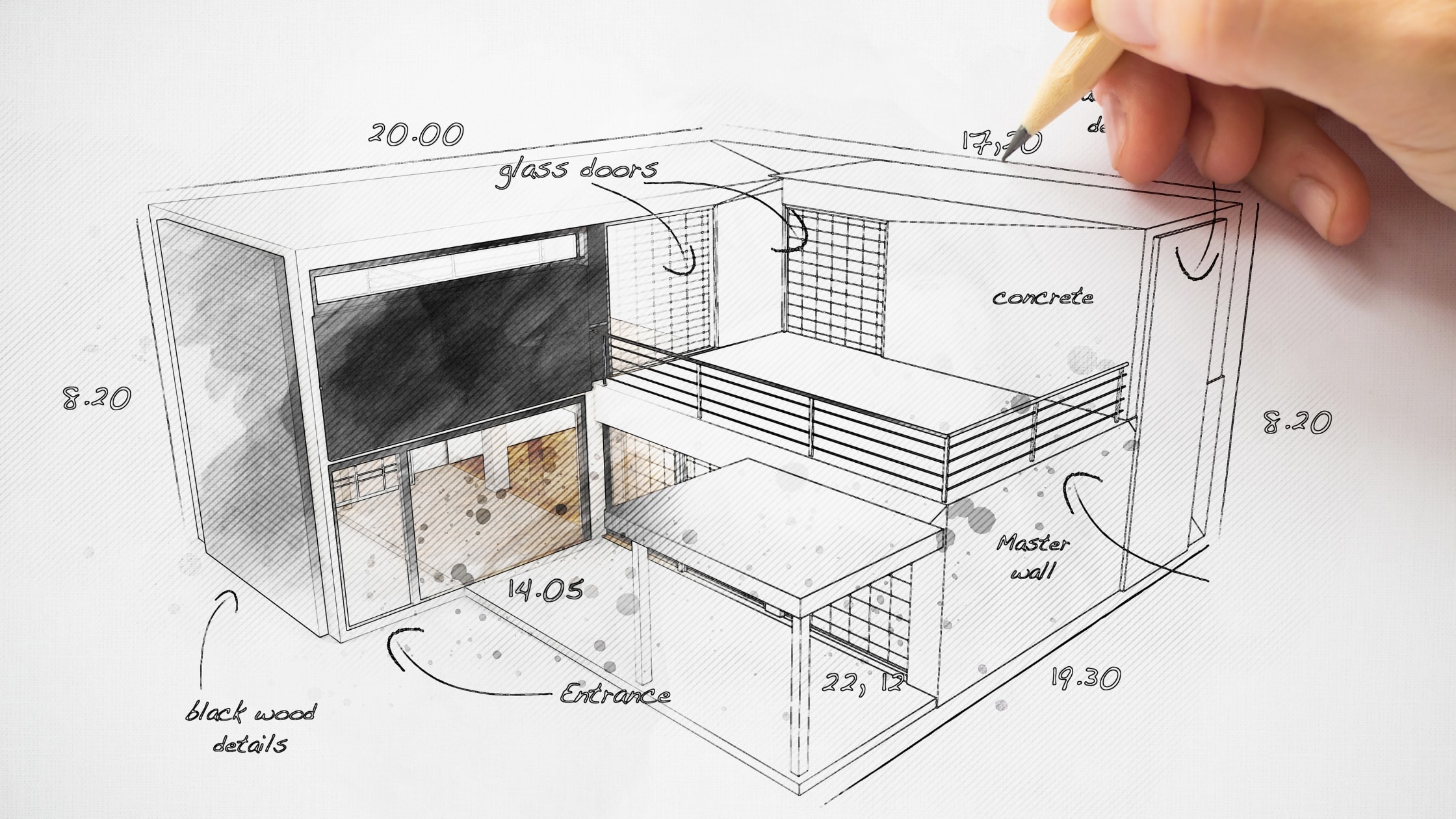
Not every window or skylight is suitable for every home addition, as factors like size, design, orientation, and natural light requirements play a crucial role in the decision-making process. It’s essential to work with experienced professionals who can assess your home’s layout, architectural style, and structural limitations.
They can help you choose the right windows or skylights that not only enhance the aesthetic appeal of your home but also improve energy efficiency and functionality. Tailoring your plans to these considerations ensures every new element integrates seamlessly with your existing space, creating a cohesive and well-designed result.
Looking for DIY inspiration or expert help on your home addition ideas? Browse these creative suggestions to spark your imagination!
FAQs About Room Additions and Square Footage Expansion
1. How can I add square footage to my existing home?
Adding square footage to your existing home can be achieved through various methods. One popular option is a room addition on the same level as your current living area. This approach ensures a cohesive design throughout your house while creating extra space tailored to your needs. Homeowners often expand by creating new rooms such as a home office, guest suite, or playroom to enhance functionality.
2. Is it better to add a room on the same level or build a second floor?
Both approaches can effectively increase square footage, but the decision depends on your project goals, budget, and the structure of your existing home. Adding a room on the same level is typically more straightforward and keeps everything conveniently accessible, while a second-floor addition may provide more space when limited land is available. Consult professionals to determine the best option for your house.
3. What should homeowners consider when planning a room addition?
Homeowners should carefully consider how the room addition will integrate with the rest of their home. Think about how the new space complements your current floor plan, style, and functionality. It’s essential to design the project in a way that seamlessly matches the layout of your existing home and adds value to your house while creating a well-balanced space.
4. Will adding square footage increase my home’s value?
Yes, increasing your home’s square footage through a well-planned project can significantly boost its value. A thoughtfully executed room addition, whether on the same level or as an extra floor, enhances both livability and market appeal. Many homeowners see a solid return on investment when they create functional spaces that fit modern needs, such as a larger kitchen, bathroom, or entertainment room.
5. How long does a room addition project typically take?
The timeline for a room addition project varies based on factors like the size of the addition, the materials used, and the complexity of integrating it into the existing home. On average, room additions on the same level tend to be faster since they don’t require significant structural modifications, unlike second-floor additions. Working with experienced contractors can help you streamline the process and set realistic expectations.
Create Brighter Spaces Now

Every home addition presents a unique opportunity to create brighter, more efficient, and welcoming spaces. Thoughtful designs that maximize natural light not only make your house more inviting but also enhance daily comfort and long-term property value.
Whether you’re planning a room addition or tackling major renovations like a story addition, always prioritize natural light in your plans.
Unsure where to begin? Start by focusing on your end goal and bring in trusted professionals to make it happen. You’ve got the vision—now it’s time to bring it to life.