
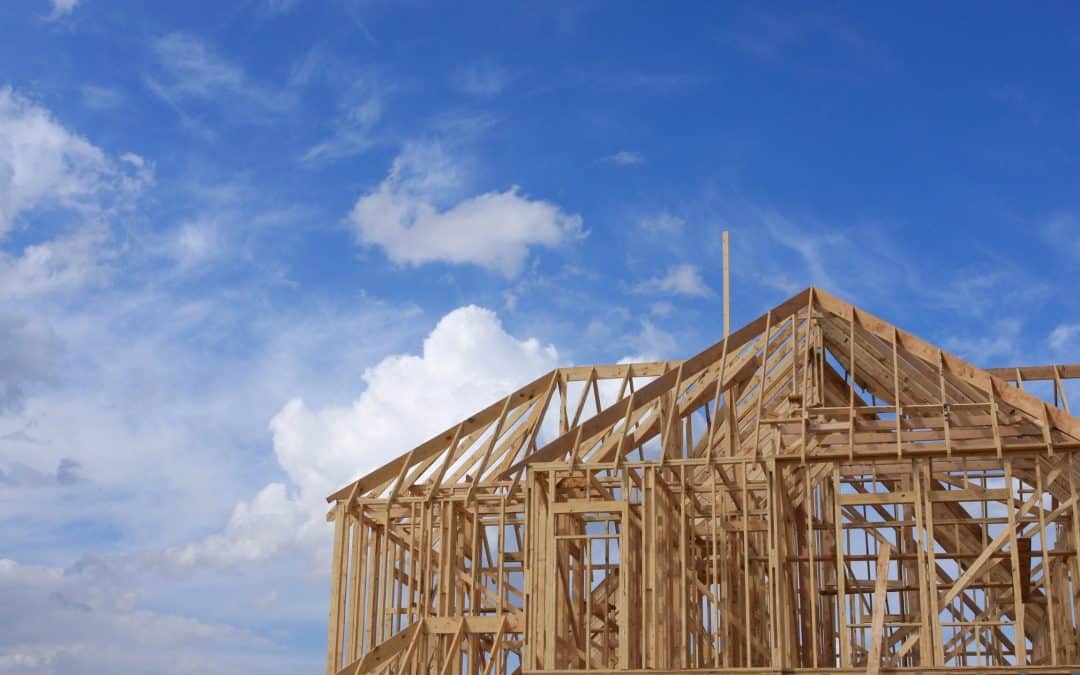
Adding extra living space to your house is an exciting project, but it comes with challenges. Understanding the home addition timeline can make the process smoother and help set realistic expectations. Whether you’re adding a second story, a room addition, or an in-law suite, the key is knowing what to expect at various stages.
This article breaks down everything you need to know about your home addition timeline—from initial planning through construction and final inspection. By understanding the construction process, you’ll not only stay on track but also save money and reduce stress.
If you’re ready to take the first step toward your dream home, read on to learn what’s involved in a successful addition project.
What is a Home Addition Timeline?
A home addition timeline is the schedule guiding each phase of your addition project, from initial design to the final inspection. Timelines vary based on several factors, such as the scope of work, local building department regulations, foundation work, and the type of new space you’re creating.
For instance, a second-story addition typically takes longer than a room addition due to the complexity of tearing into the existing structure, installing roof trusses, and ensuring the HVAC systems can support the extra floor. Expect timelines to range from a few weeks for small projects to several months or more for larger additions.
Quick tip: Adding a second story often requires upgrading your plumbing systems and electrical work to handle the increased demand. Work closely with an experienced contractor to avoid delays.
Phases of a Home Addition Timeline
1. Careful Planning, Budgeting, and Design Preparation

A successful home addition project starts with careful planning. This critical phase involves setting a realistic budget, identifying your specific goals, and deciding on the type of additional living space you want. Whether you’re envisioning a master bedroom retreat, an in-law suite for family, or a bright, sun-filled relaxing space, thorough preparation will set the foundation for a smooth project.
Key Steps in the Planning Phase:
- Define your goals: Think about how the new space will enhance your lifestyle and meet your household’s current and future needs.
- Work with a design-build firm: Collaborate with a professional design-build team to develop detailed architectural plans that balance functionality and aesthetics.
- Evaluate structural considerations: Analyze how the addition will integrate with the existing structure, ensuring the design is both feasible and compliant with local building codes.
- Create a comprehensive budget: Allocate funds for materials, permits, labor costs, and a buffer for unexpected expenses or changes during construction.
- Explore your design options: Decide on key design elements, such as whether you want vaulted ceilings, custom windows, or features like energy-efficient materials to enhance sustainability.
Timeframe: The planning phase typically takes 2-4 weeks, depending on the complexity of the design, the scope of the project, and how quickly decisions are made. Taking the time to carefully plan ensures the addition aligns with your vision while staying within budget.
Quick tip: Gather inspiration from platforms like Pinterest or Instagram and bring your favorite examples to the design phase. This simplifies communication with your design-build team.
2. Obtaining Building Permits
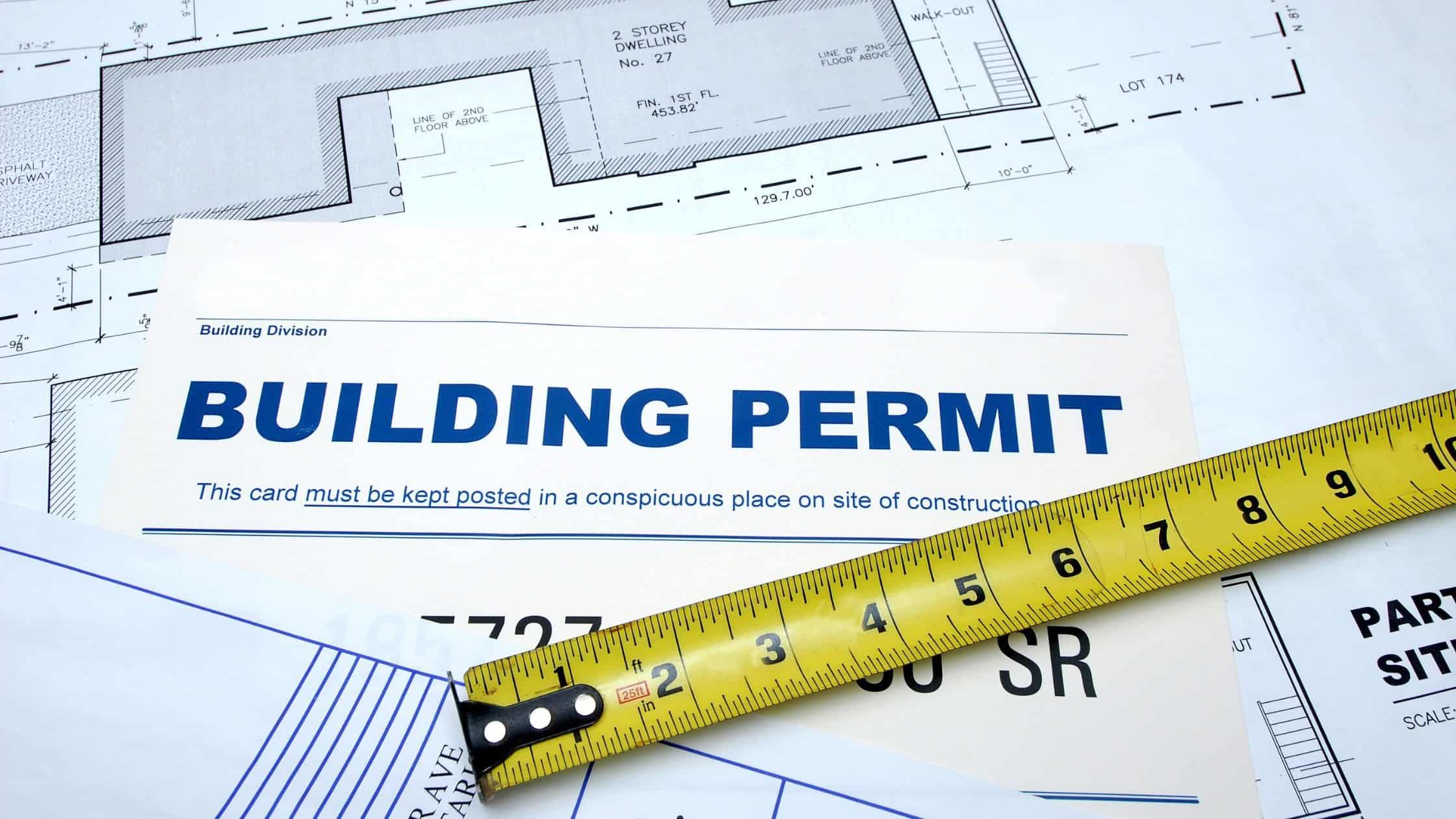
After finalizing your design plans, the next critical step is securing a building permit from your local building authority, which is essential before any construction can begin. The building permit process ensures that your project complies with all building codes, zoning regulations, and local safety standards, ultimately reducing risks and ensuring a smooth construction phase.
Why Building Permits Are Necessary
Building permits are issued to confirm that the proposed construction project meets all legal requirements laid out by your city or municipality. This helps avoid future issues such as fines, delays, or even potential demolition if the structure doesn’t comply. Projects involving larger square footage, multi-family units, or complex designs may face stricter regulations.
How to Apply for a Building Permit
- Work closely with your architect or project manager when submitting architectural drawings, site plans, and other required documentation. These documents are typically reviewed for compliance with structural integrity standards, plumbing and electrical codes, and environmental zoning laws.
- Be thorough and detailed in filling out the paperwork to minimize processing delays. Some jurisdictions may also require engineering reports, energy compliance certificates, or proof of property ownership.
Potential Delays in the Permit Process
Expect possible delays during the local permitting process, especially for projects with extensive square footage, environmentally sensitive locations, or unique architectural designs. Building departments may request changes or ask for additional information, which might extend your timeline. It’s advisable to maintain regular communication with your local office to track progress and address any issues promptly.
Timeframe: 2-8 weeks, depending on your local jurisdiction, the complexity of your project, and the workload of the local building department.
3. Site Preparation and Foundation Work
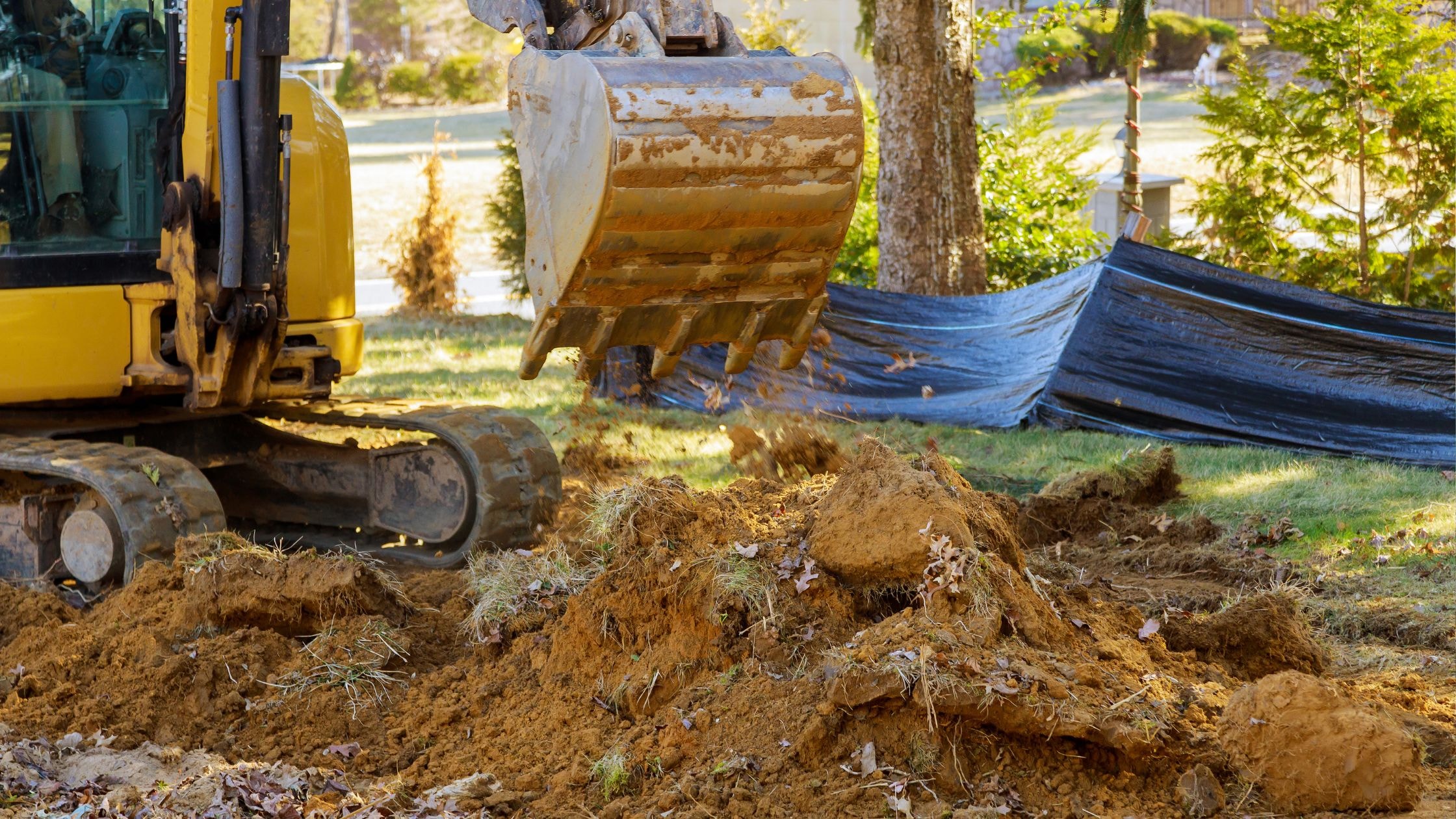
During this phase, your construction team will carefully prepare the construction site, ensuring it is safe, secure, and ready for foundation work to begin. This step is crucial whether you’re starting a new build, constructing a second story addition, or expanding with room additions. For second story projects, the structural integrity of your existing foundation will be thoroughly assessed to ensure it can handle the additional load.
Key Tasks in Site Preparation
- Install temporary supports if modifications involve exterior walls or load-bearing structures.
- Excavate the land for new room additions, separate entrance suites, or any planned extensions.
- Address important drainage or leveling issues to avoid water pooling or instability in the future.
- Clear debris, level the construction site, and create a solid base for upcoming foundation work.
Additional Considerations
For projects involving extensive groundwork or additions, soil conditions will play a critical role. The construction team may need to conduct soil testing to determine if reinforcements or adjustments to the foundation are required. Similarly, weather conditions can impact the progress during this phase, as heavy rainfall or extreme cold may delay tasks.
Timeframe: This phase typically takes 1-3 weeks, depending on the complexity of the project, soil conditions, and external factors like weather. Proper site preparation ensures a strong foundation for the rest of your construction project, setting the stage for safe and efficient progress.
Did you know? Many homeowners skip pre-construction surveys, leading to costly adjustments. A good qualified contractor will always recommend a thorough site assessment before beginning any work.
4. The Construction Phase
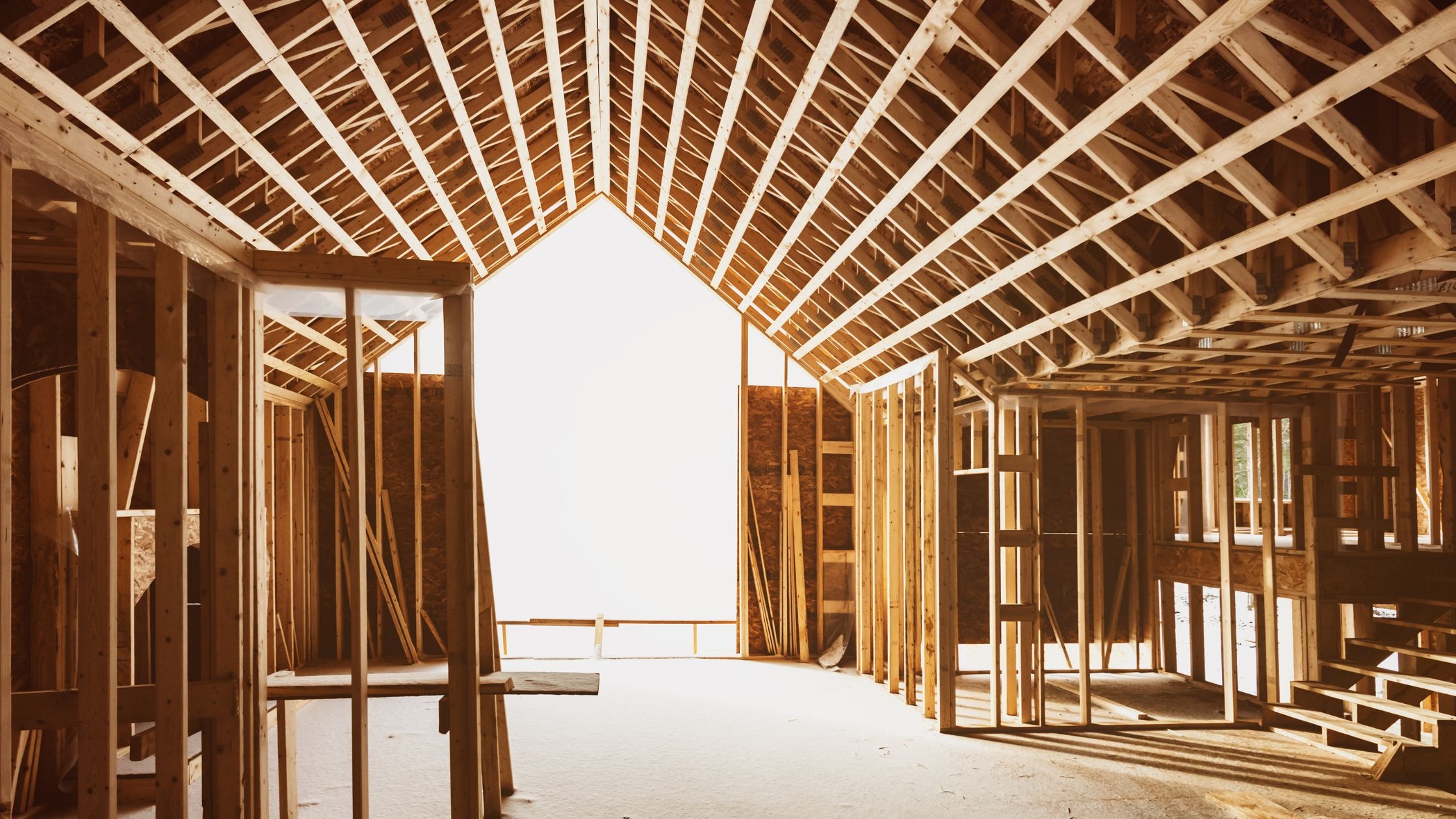
The construction phase is a critical step in bringing your dream home or addition to life. This construction timeline is divided into multiple stages, each playing a vital role in ensuring your new space is safe, functional, and built to last. Proper communication and coordination between your construction manager, contractors, and team are essential to ensuring everything progresses smoothly and stays on schedule.
Framing the Structure
This stage involves building the structural framework of your home or addition, including erecting walls, ceilings, and roof trusses. This framework forms the backbone of your new space and ensures it is strong and durable. Accuracy during this phase is crucial, as it impacts everything from stability to the alignment of doors, windows, and fixtures.
Weather Barrier Installation
Once the framing is complete, weather barrier installation is essential to protect the structure from the elements while construction continues. This step helps prevent water damage, mold, and other issues that could compromise the durability and longevity of your home. It also ensures your home is sealed properly for energy efficiency.
HVAC Systems Adjustments
If your project involves a home addition or major renovation, your existing heating, ventilation, and air conditioning systems may need upgrading to accommodate the new space. Proper HVAC adjustments are necessary to maintain consistent temperatures and ensure energy efficiency throughout your home.
Plumbing Systems and Electrical Work
During this phase, plumbers and electricians install and update systems to meet the needs of your new space. This includes running water lines, installing fixtures, and wiring outlets, lighting, and appliances. Proper planning and execution ensure these systems function efficiently and safely.
Insulation and Drywall Installation
Adding insulation is a key step to improving energy efficiency, soundproofing, and temperature regulation in your home. Following insulation, drywall is installed to create smooth walls and ceilings, ready for painting and finishing. This step also enhances the overall aesthetic appeal of your space.
Timeframe: The construction phase typically takes 4-12 weeks to complete. However, the exact timeline depends on several factors, including material availability, weather conditions, and the complexity of the project. Regular communication with your construction team can help anticipate delays and keep the project on track.
By carefully managing these steps and ensuring attention to detail, the construction phase lays the foundation for a beautiful, functional, and durable home or addition.
Quick tip: Always maintain open communication with your construction team. Regular updates help address challenges and keep your project timeline on track.
5. Finishing Touches and Final Inspection
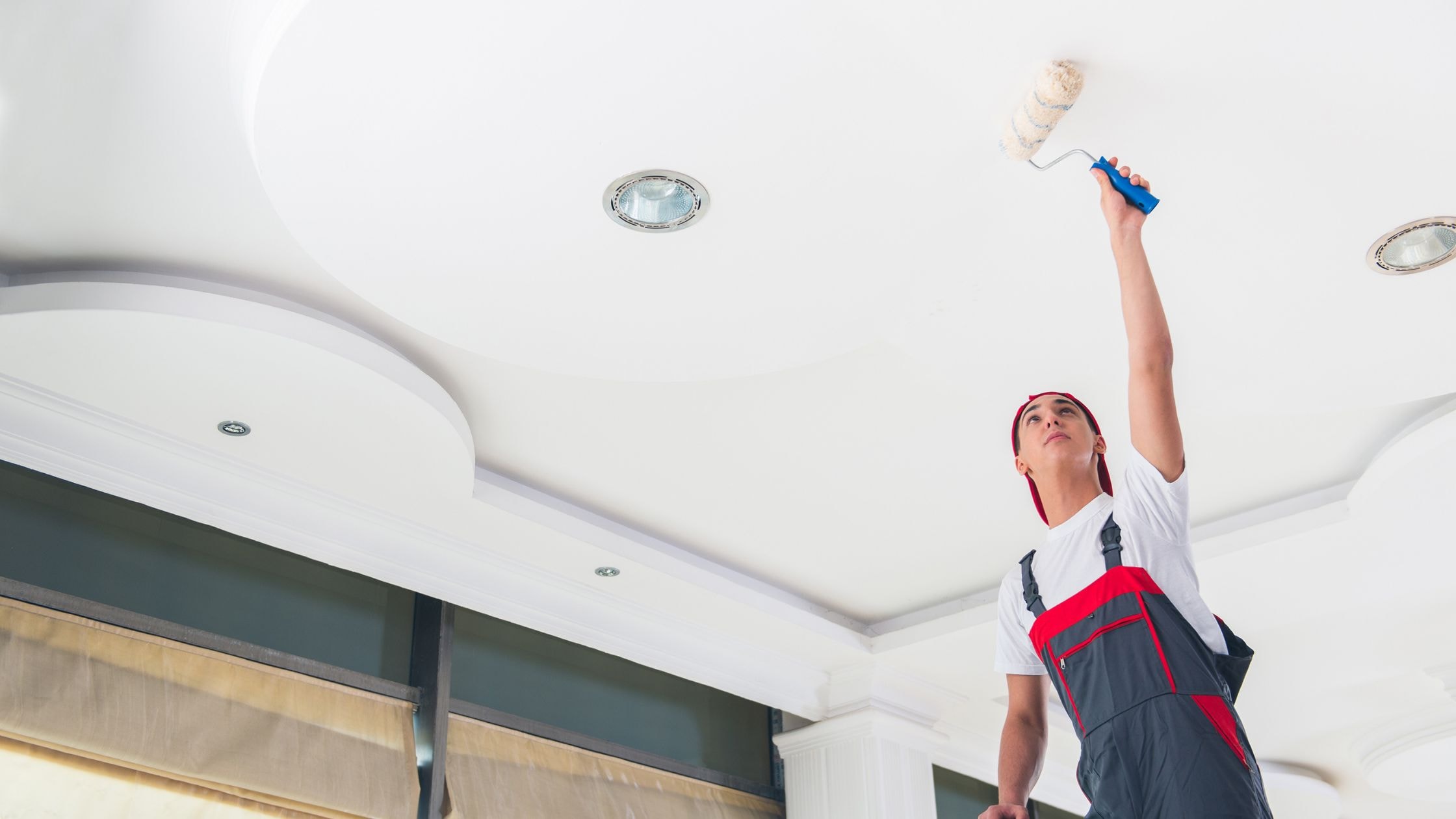
This final phase of your addition timeline ensures the new space is fully functional, aesthetically pleasing, and ready for use. During this stage, your contractor will oversee the completion of key finishing tasks such as painting, flooring, and installing furniture. These details are essential for tying the entire project together and creating a polished, cohesive look.
Final Inspection and Local Building Department Compliance
Your contractor will also arrange a final inspection with the local building department to verify that the project complies with all building codes and regulations. This step is critical for ensuring safety, structural integrity, and legal compliance, so nothing is left overlooked.
Adding Fixtures and Details
To enhance the aesthetic appeal and functionality of your living space, consider adding fixtures like light fixtures, cabinetry, or custom shelving. Thoughtful additions can make a big difference in the usability and charm of the area.
- Add decorative elements such as accent walls, crown molding, or stylish flooring options to elevate the interior design.
- Incorporate features like large windows, skylights, or glass doors to maximize natural light and create an open, inviting atmosphere.
Boosting Property Value
Don’t forget to think about curb appeal and resale value. Simple additions like landscaping, outdoor lighting, or well-coordinated exterior finishes can significantly increase your property’s marketability. By blending functional upgrades with design elements, you’ll create a space that’s both practical and visually stunning.
Timeframe: 1-3 weeks.
Factors That Impact the Timeline

The timeline for your addition project can vary depending on several key factors. Below is a detailed breakdown of what might impact the duration of your project:
Scope of Work
The size and complexity of your project play a significant role in determining the timeline. Smaller projects, like a room extension, may take only a few weeks, while larger projects, such as a second story addition, can take several months to complete. Structural changes, custom designs, and remodeling tasks will add more time to the overall construction process.
Material Availability
The availability and delivery of construction materials are critical to keeping your project on schedule. Supply chain issues, delays in sourcing specialty items like custom cabinets, flooring, or appliances, and backorders can all impact your timeline. Early planning and ordering materials in advance can help avoid unnecessary delays.
Weather Conditions
Outdoor construction work can be heavily affected by weather conditions. Heavy rain, snow, or extreme heat may halt progress, especially if foundation work, roofing, or exterior framing is involved. Planning your addition project during favorable weather seasons can help minimize interruptions.
Local Regulations and Permitting
Depending on your location, the permitting process can significantly vary in complexity and duration. High-demand areas or those with strict zoning laws may experience longer delays. Approval for things like structural changes, electrical work, or plumbing may require additional inspections and paperwork that can extend your timeline.
By understanding these factors, you can better plan for your addition project and set realistic expectations for its completion. Proper scheduling, early preparation, and flexibility can go a long way in ensuring a smoother process.
FAQs About Home Addition Timelines
How do I prepare my family members for a home addition project?
Communicate regularly about the project. If major renovations affect daily routines, consider temporary relocation or setting up a relaxing space in an unaffected area.
Can I obtain permits without a contractor?
Yes, but working with an experienced contractor ensures all permits are submitted accurately and avoids unapproved shortcuts.
How long does it take to complete a typical room addition?
Most room additions take 2-3 months. However, timelines may vary based on the square footage and project complexity.
What can I do to save money during my home renovation?
Consider reusing materials where possible and selecting energy-efficient upgrades. Consult your design-build firm for cost-effective alternatives.
Make Your Addition Project a Success
A well-managed home addition timeline can significantly enhance your home and add significant value to your property. By hiring a qualified contractor and working closely during the construction process, you can create an inviting space that transforms your home into the dream home you’ve always wanted.
Looking for expert guidance? Discover how the design-build process can simplify your addition projects and deliver exceptional results. Read more here.
If you’re seeking more detailed advice on addition projects, check out The Homeowner’s Guide to Home Additions.