
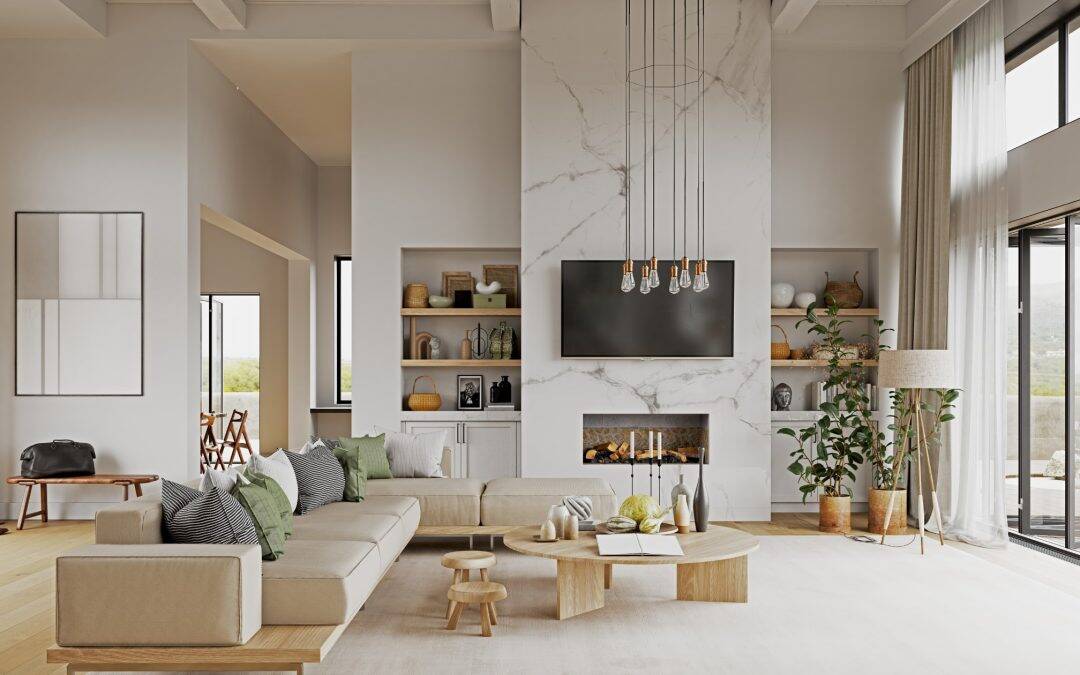
Adding a home addition is such an exciting opportunity—it means you’re creating a space where your family can grow, a spot to entertain, or a corner to finally set up that dream office. However, getting a home addition to flow naturally with the existing space can sometimes feel challenging. The goal isn’t just to add more square footage; it’s to create a cohesive environment that feels like it was part of the original design.
Whether you’re planning a second story addition, a bump out addition, or an in-law suite, we’re here to guide you step-by-step in blending your new space with the existing home. From matching materials to optimizing light, here’s all you need to know to create a seamless, harmonious home addition.
1. The Vision for Homes with Additions Added Right

When it comes to homes with additions added, the word “seamless” often comes up for good reason. You should aim for a space that feels not only functional but also harmonious. Consider things like the architectural style of your existing home, the blending of old and new materials, and how the addition will affect the flow of living space.
Quick tip: Gather inspiration from Pinterest or Instagram and focus on architectural styles similar to your house. This will help you envision a design that feels cohesive and timeless.
The ultimate goal is to avoid creating something that looks “tacked-on.” When your living space blends naturally, it adds resale value and ensures that the space feels like home.
2. Integrating New Square Footage with Your Existing Design

The success of a home addition lies in integrating the aesthetics of the new floor space with the existing structure. Here’s how:
Match Materials and Finishes
Use exterior materials, such as siding, roofing, and trim, that match or complement what’s already in place. If your existing house is brick, choose the same brick type or a complementary tone for continuity. Similarly, mimic the original interior finishes, like crown molding or baseboards, to make the transition from old to new feel effortless.
Maintain Consistent Architectural Styles
Whether it’s a second story or a bump-out addition, your design should reflect the architectural elements of your existing home. For instance, if your house has a Tudor-style exterior, avoid incorporating elements that scream mid-century modern. The key is to ensure fluidity in style.
Consider Proportion and Scale
When planning an addition, make sure it’s proportional to the size of your original home. A massive addition on a modest house can feel jarring and out of place. For example, if you’re adding a new room, ensure the windows, doors, and rooflines align with the existing structure to create a balanced and cohesive appearance.
Quick tip: Pay extra attention to window design! Matching the window styles of your existing house will go a long way in creating cohesion.
3. Maximizing Natural Light in Your New Addition
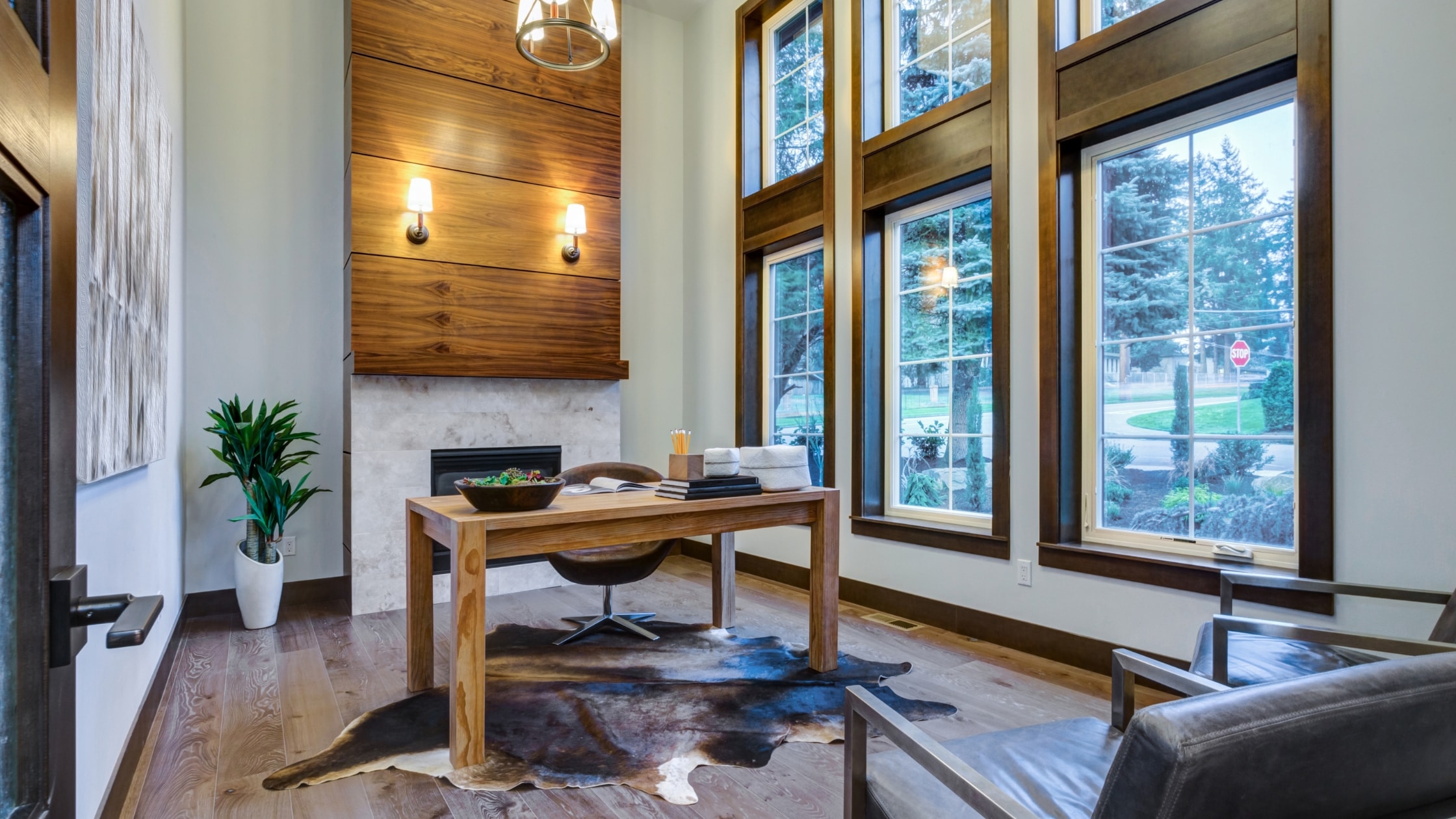
Having adequate natural light is crucial for creating an airy and beautiful space. Many home improvement projects focus heavily on lighting, and for good reason—it makes a huge difference in how a room feels.
Second Story Addition
A second story addition is a great way to add additional living space without expanding your footprint. To ensure spaces like the primary bedroom remain open and inviting, consider including skylights or larger windows. These features bring in natural light and create an airy, relaxing atmosphere, making your living space feel even more luxurious.
Bump Out Addition
A bump-out addition can add valuable square footage to your home, especially for key areas like dining rooms or family rooms. For a modern and welcoming aesthetic, install floor-to-ceiling windows. These windows not only flood your space with natural light but also create a seamless connection to the outdoors, enhancing the overall ambiance.
Connect Indoor and Outdoor Spaces
When designing your addition, think about how it integrates with your outdoor surroundings. Creating a direct connection between your new living space and an outdoor area, such as a patio or deck, enhances both style and functionality. This flow between indoor and outdoor spaces is perfect for entertaining or simply enjoying the beauty of nature from the comfort of your home.
Did you know? Adding large windows isn’t just aesthetic. Large windows may reduce electricity use during daylight hours.
For more light-maximizing tips, check out this guide: Maximizing Natural Light in Your Home Addition.
4. Functional Flow of Living Spaces
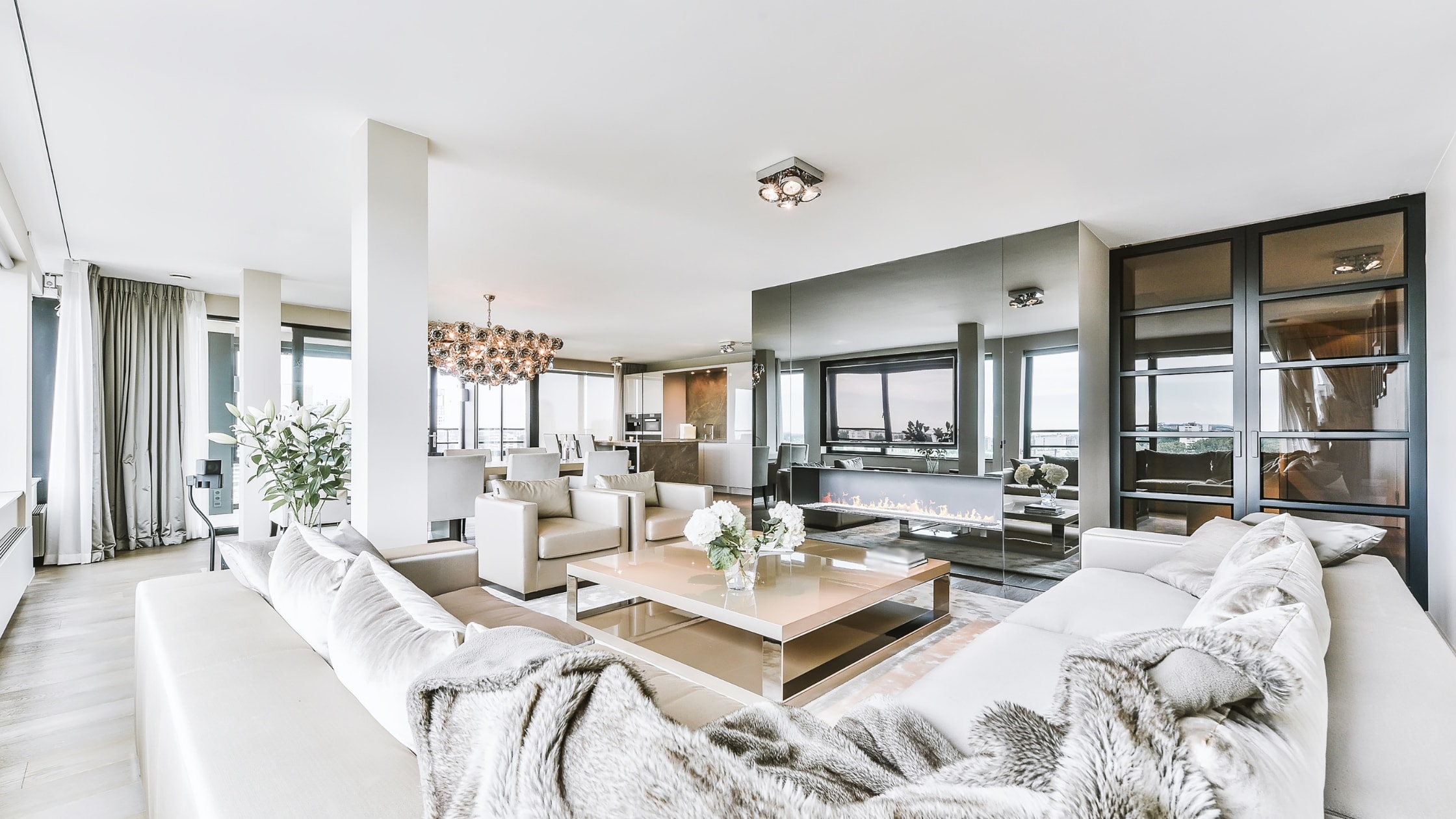
Flow is essential. Imagine walking through your room addition only to realize the layout feels clunky or out of sync with your home’s original design. Avoid this by considering the movement between your existing space and your new living space.
Create Functional Transitions Between Rooms
Smooth transitions can make your home feel more cohesive and inviting. A great way to achieve this is by installing wide doorways or elegant archways that create a sense of flow while maintaining some separation between spaces. These design elements also add character and charm to your interiors.
Use Open-Concept Designs to Connect Key Areas
Integrate your dining room, family room, and kitchen into an open-concept layout to encourage interaction and improve usability. This design approach is excellent for hosting gatherings or keeping an eye on kids while cooking. It also allows natural light to travel through the space, making your home feel brighter and more spacious.
Ensure Essential Amenities Stay Easily Accessible
Keep frequently used spaces like the laundry room conveniently located to save time and effort. Consider positioning it near bedrooms or the kitchen for ease of access, and include practical features like ample storage and workspace for folding clothes. Thoughtful placement of amenities can significantly enhance daily functionality
5. Prioritize Heating and Cooling Systems

Expanding your home means you’ll need to evaluate your heating and cooling systems. Can your current setup handle the extra square footage and maintain consistent comfort levels? If not, consider upgrading or adding a dedicated HVAC for your new area. For detached accessory dwelling unit (ADU) projects or an in law suite, ductless mini-split systems are often a great solution.
Quick tip: Before finalizing your plans, consult your city’s building codes. This is especially crucial when adding a second story or working with structures like a garage space or storage space.
6. Create Dedicated Spaces with Purpose
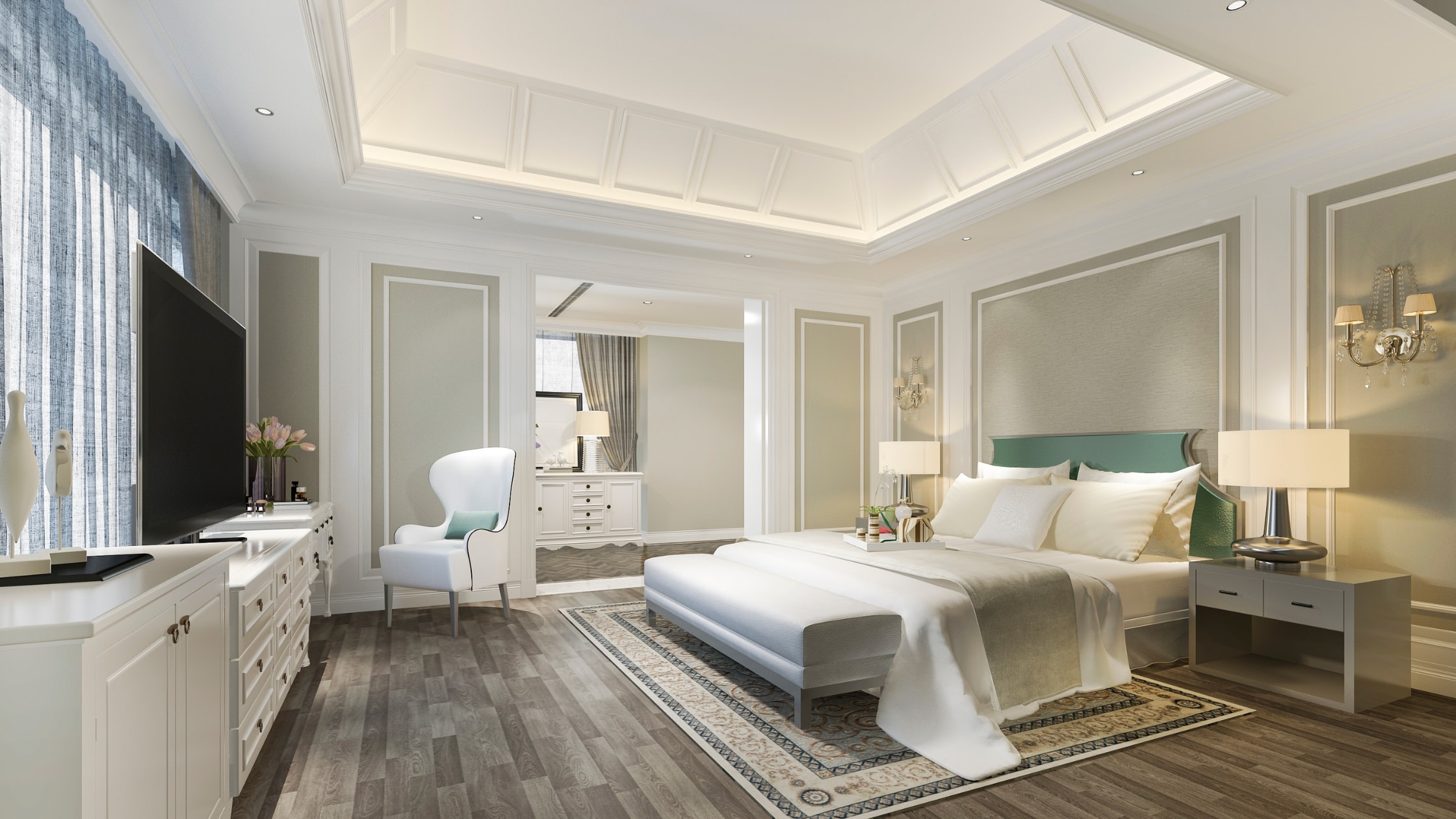
Functionality should be at the heart of your design decisions, especially when planning for additional living space. Start by clarifying the purpose of the area you’re creating:
Will this be a guest-friendly guest bedroom? Consider adding features like a cozy bed, ample storage for visitors’ belongings, and warm, inviting decor to make them feel at home.
Do you envision an office space with a productive vibe? Think about ergonomic furniture, proper lighting, and soundproofing to create an environment that encourages focus and efficiency.
Do you need luxurious touches like a walk-in closet for the master bedroom? Plan for smart storage solutions, built-in shelving, and enough space to organize your wardrobe in style.
By clearly defining the purpose of each area, you can design a well-thought-out living space that not only looks great but also fits your unique needs and lifestyle perfectly.
7. Save Space and Stay Safe with Permits and Building Codes

Always make sure to check your local building codes before starting any construction project. Whether you’re planning a second-story addition, a conventional house addition, or even a smaller renovation, obtaining the proper permits is essential. These permits ensure that your project complies with safety requirements and local regulations, helping to avoid potential issues down the line.
For more on staying eco-friendly during construction, this article offers great insights on Incorporating Green Building Practices into Your Home Addition.
8. Factors to Budget For

When planning your project, always factor in costs for both visible and hidden aspects of the work:
Second story addition costs can vary significantly depending on structural requirements, such as reinforcing the foundation, upgrading support beams, and ensuring the existing structure can handle the added weight. Additional expenses may include roofing, insulation, and exterior siding to match the rest of your home.
Basement finishing costs can be a worthwhile investment to add usable floor area, but they can range widely based on factors like waterproofing, electrical and plumbing work, HVAC adjustments, and the type of finishes you choose, such as flooring, drywall, or built-in storage. Be sure to include these in your budget to avoid surprises.
Don’t forget features like fixtures, flooring, or adjustments for features like your garage space, which may need modifications to integrate with the new design. Consider lighting, paint, and even custom touches like cabinetry or storage solutions to complete your space and ensure functionality.
Did you know? Renovations like adding an in law suite or extending a main house can boost your property value greatly in the long run!
Frequently Asked Questions
What are the benefits of adding a second story to your home?
Adding a second story provides extra living space without increasing your home’s footprint, making it ideal for smaller lots. It can also improve your home’s functionality, offer stunning views, and increase its overall value, all while giving your family room to grow.
How long does a room addition or second story addition take to complete?
The timeline for completing a second story addition or a room addition depends on the project’s complexity. While a simple room addition may take a few weeks, a story addition could require several months. Working with a professional contractor ensures you stay on track with your timeline while maximizing the use of more space in your property.
Can I add outdoor living spaces as part of my renovation?
Yes! Incorporating outdoor living spaces during a home renovation is a great way to optimize your property’s functionality. Whether extending your main house or adding a stylish patio, creating more space outdoors enhances your quality of life and increases the value of your home.
Will a second story addition add significant value to my home?
Absolutely! Investing in a second story addition or any additional space is a smart choice for boosting property value. By increasing the square footage of your home, you not only create a spacious environment for your family but also make your main house more attractive to future buyers.
What should I consider before starting a room addition or second story addition?
Before beginning any project, ensure you clearly define your goals for the additional space. Consider how the room addition or story addition will integrate with your main house and whether you need more space for bedrooms, an office, or outdoor living spaces. Partnering with an experienced contractor can help bring your vision to life with the right design and materials.
Take the leap and create the home you’ve always dreamed of—whether it’s a second story addition, a room addition, or upgrading your outdoor living space. More space is closer than you think!
Transitions Are the Secret to Success
Seamlessly blending your home addition into your existing structure requires careful attention to architectural style, materials, and functionality. By focusing on details like natural light, practical flow, and consistent design, you can ensure your living space feels cohesive and welcoming.
If you’re in the planning stages of your addition and need help designing your dream room addition, here’s a helpful guide: The Homeowner’s Guide to Home Additions. Whether you’re looking to add square footage or redesign a dining room, there’s a wealth of advice to set you up for success.