
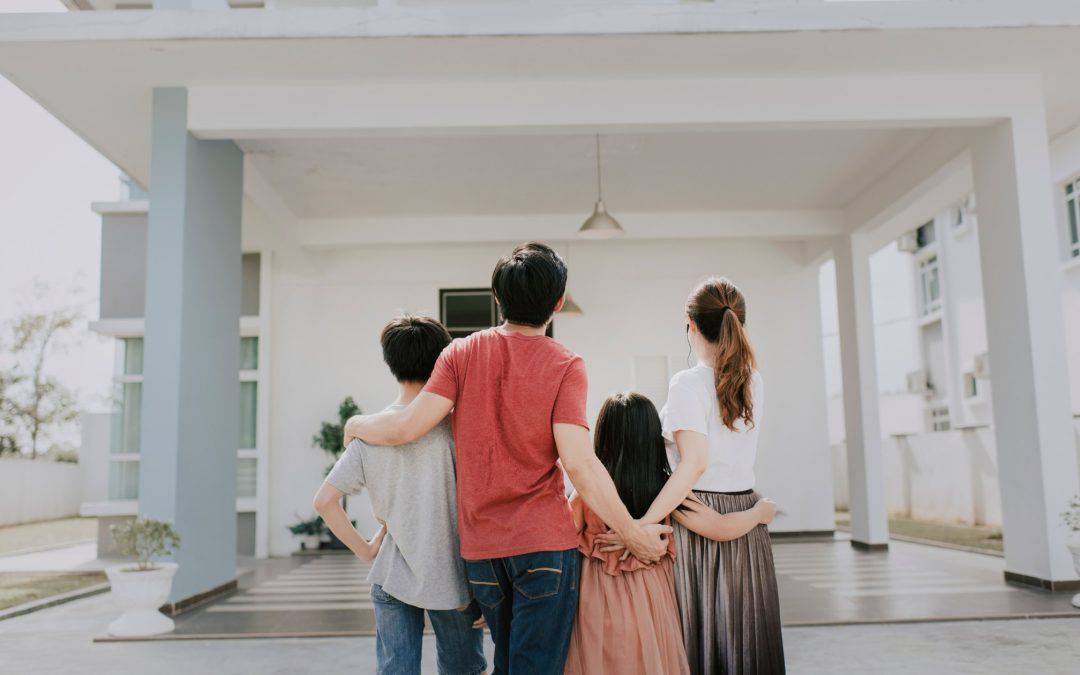
When families grow, so does the need for more space. Whether it’s to accommodate new family members, create a dedicated space for work, or build a cozy area for shared memories—the possibilities are endless. However, planning home additions can be both exciting and overwhelming, especially if you’re exploring ideas for home additions that balance functionality with creativity.
This guide offers practical inspiration for expanding your living space while maximizing your home’s potential. From in-law suites to second-story additions, you’ll find plenty of options here to meet your growing family’s needs.
Why Consider Home Additions?
Adding to your home is about more than increasing square footage; it’s about making your home work for you. By upgrading your living space, you can address pain points like limited storage, cramped quarters, or the lack of a dedicated space for certain activities. Tailoring your home to fit your family’s lifestyle not only increases comfort but also adds value to your property.
Did you know? Well-designed additions like accessory dwelling units or second-story additions can add significant square footage and boost your home’s resale value.
Ideas for Home Additions

1. Convert Existing Space
Converting existing space is one of the quickest ways to enhance your home without major reconstruction. Basements, attics, or unused garage space can be transformed into additional living space, like playrooms, guest rooms, or studios.
If you want something versatile, consider accessory dwelling units. These small, self-contained spaces are perfect for in-law suites or even rental income opportunities.
Quick tip: Planning to turn your garage space into a living area? Make sure to address insulation and lighting to make it cozy and practical.
2. Bump-Out Addition for Better Functionality
A bump-out addition is a small extension of an existing room, perfect for when you need a little more space without a full-scale room addition. Common bump-out ideas include enlarging kitchens, adding room for a walk-in closet, or creating a cozy reading nook in your living room.
This is an efficient choice when your existing structure doesn’t allow for bigger expansions but still requires functionality upgrades.
Did you know? Bump outs cost less than traditional room additions and take less time to complete!
3. Second Story Addition
When expanding outward isn’t an option, building up with a second-story addition is a game changer. It not only doubles your living space but also preserves your yard. With a second floor, you can add bedrooms, a laundry room, or even a new living space for leisure activities.
However, a project this size requires significant planning, approval, and construction time. Ensure your existing structure can support the additional weight, and work with experienced contractors to avoid surprises.
For more details on whether a room addition or a second-story addition is the right fit for your family, check out Room Additions vs. Second-Story Additions.
4. Expand Your Dining Room
If your dining room feels cramped during family gatherings, expanding it could be the perfect solution. A larger dining room not only allows for more seating but also gives you the opportunity to improve natural light by adding larger windows or skylights.
Quick tip: Open-concept designs are very popular for dining rooms as they make the living area feel more inviting and spacious.
Maximizing Natural Light in Your Living Space
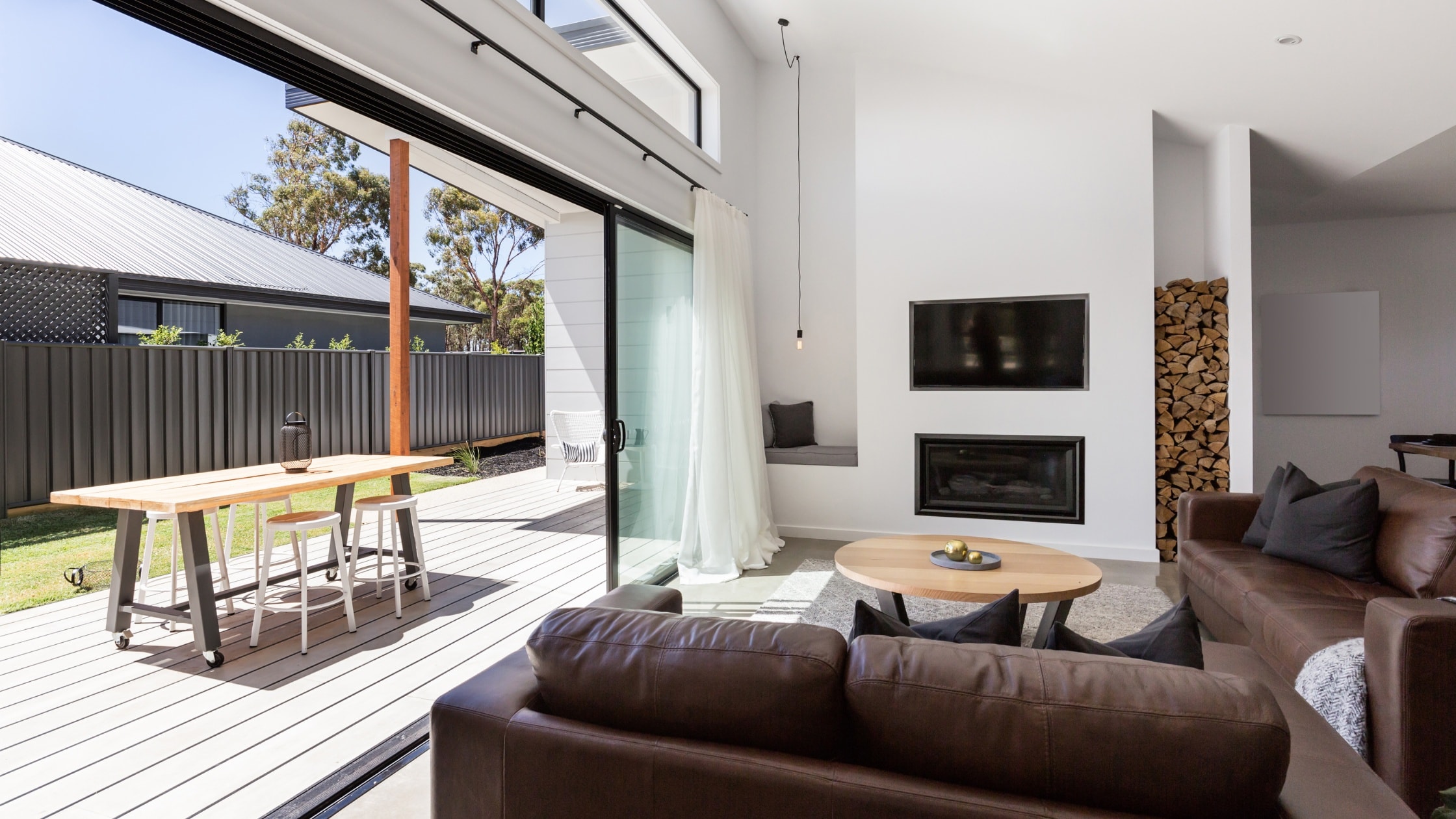
Once your home addition is complete, lighting can significantly enhance the vibe of your new living space. Whether it’s a second-story addition or a bump-out addition, consider adding large windows or even sliding glass doors for better connectivity to the outdoors.
Natural light not only creates a sense of spaciousness but also reduces energy costs by brightening interiors naturally. For more inspiration, visit Maximizing Natural Light in Your Home Addition.
Practical Room Addition Ideas
Looking for versatile room addition ideas? Here are several crowd-favorite options that you can adapt to your needs:
Playroom for the Kids
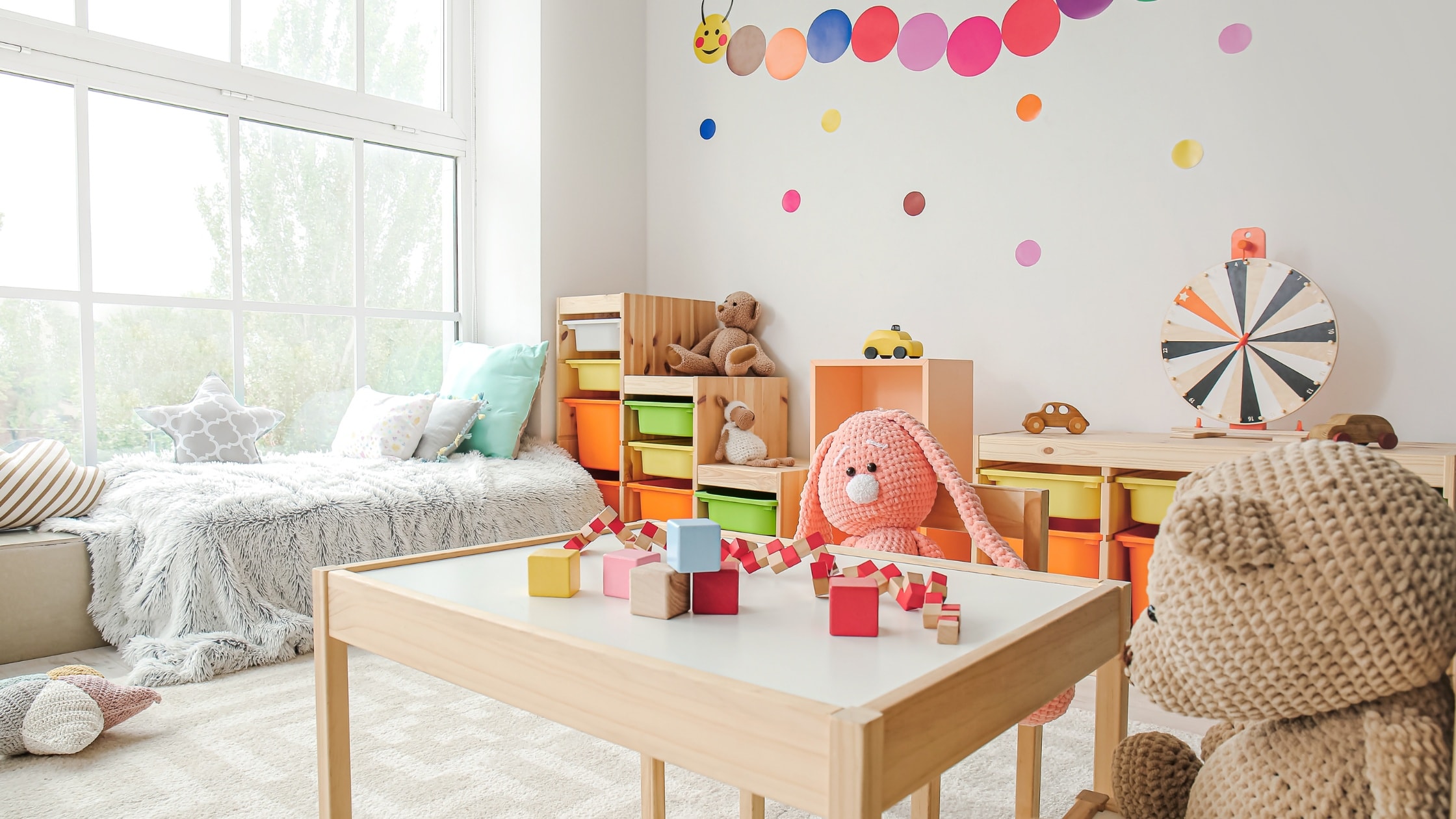
Creating a dedicated playroom is a game-changer for families with children. Not only does it help reduce the clutter that often overtakes living areas, but it also provides kids with a special space just for them. Here, they can unleash their creativity, play actively, and enjoy their own little sanctuary within the home. A well-designed playroom can encourage learning, imagination, and fun while giving parents some peace of mind knowing the toys and activities are contained in one area.
Home Office
With remote work becoming increasingly common, having a quiet and efficient home office is no longer a luxury—it’s a necessity. A designated workspace can make all the difference in staying productive and focused. Consider adding built-in cabinets or shelves to keep everything organized and within reach. A thoughtfully designed home office not only boosts productivity but also allows you to maintain a healthy work-life balance by keeping your work contained in one space.
Enhanced Master Suite
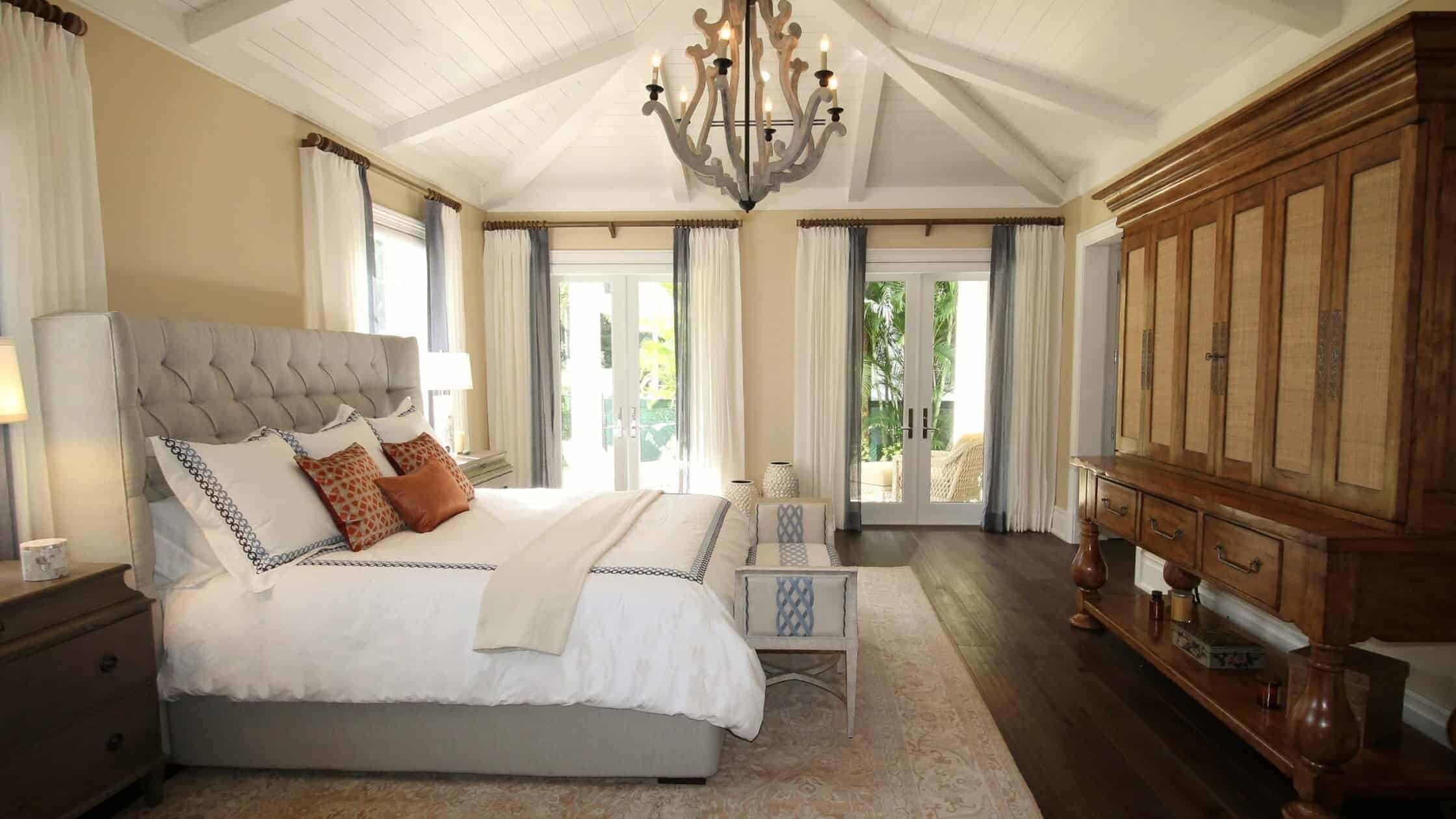
If luxury and comfort are on your renovation wish list, upgrading the master suite is a fantastic investment. Imagine starting and ending your day in a spacious bedroom complete with a walk-in closet that makes organizing your wardrobe a breeze. Add a spa-like bathroom with features like a soaking tub, double vanity, and rainfall shower, and you’ll have a private retreat that feels like a high-end hotel at home. Enhancing your master suite is about creating a space that is both functional and indulgent.
Extra Storage Room
Storage is one of the most sought-after features in any home, and it’s easy to see why. As families grow, so does the need for practical storage solutions. Consider adding a dedicated storage room, expanding your pantry, or even designing a mudroom with built-in cubbies and hooks. These spaces not only keep your home organized but also make day-to-day life smoother by giving everything its proper place.
Living Room Expansion

For larger or growing families, an expanded living room can completely transform the home’s functionality and atmosphere. A more spacious living room allows for better entertaining, more seating options, and plenty of space for family activities. With the extra room, you can create a cozy yet open space where everyone feels comfortable gathering, whether it’s for movie nights, game days, or simply spending quality time together.
Accessory Dwelling Units
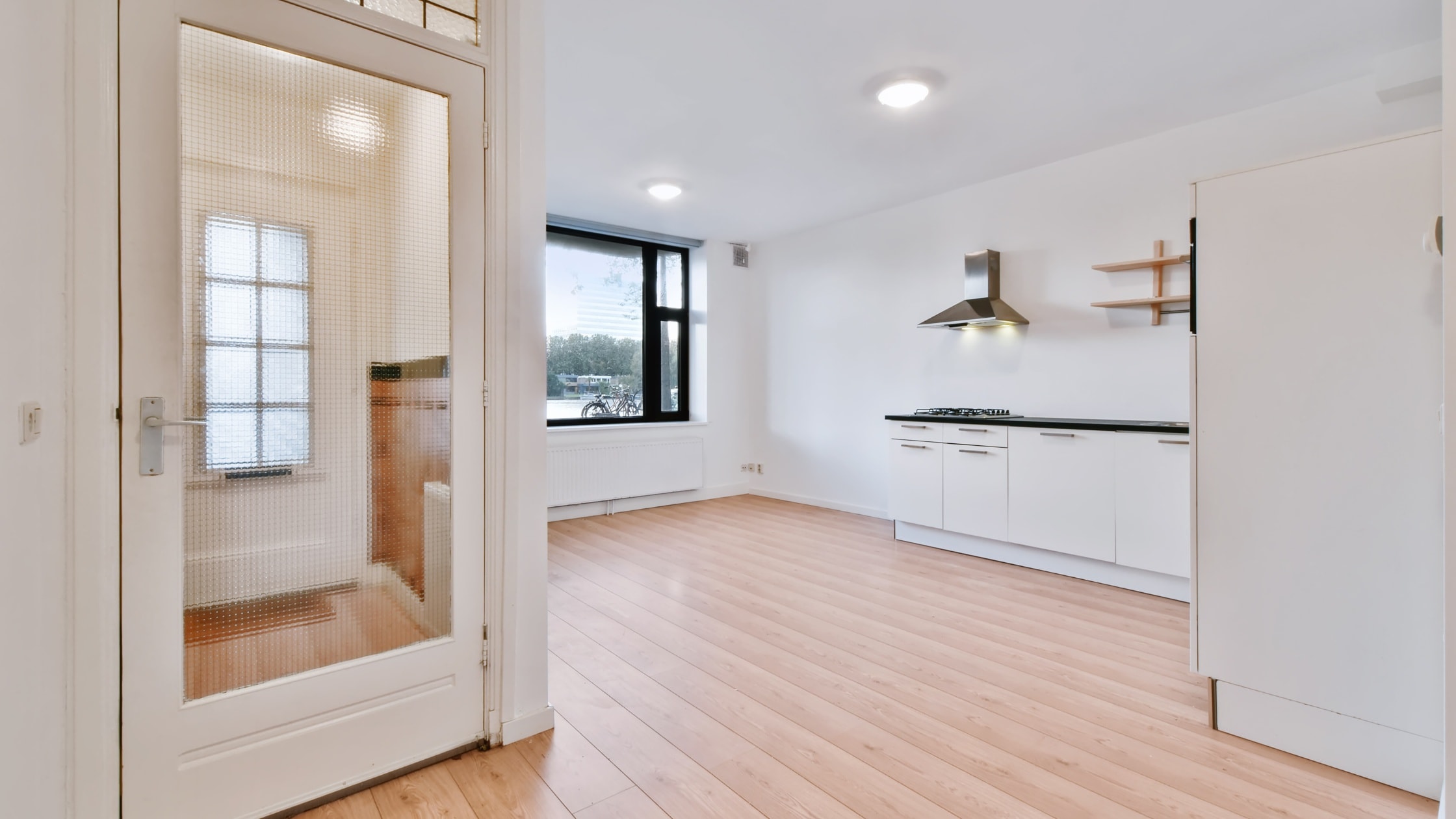
Accessory Dwelling Units (ADUs) are becoming an increasingly popular solution for homeowners looking to create flexible, self-contained living spaces. These versatile units can serve a wide range of purposes, making them a valuable addition to any property. Many families use ADUs to accommodate aging parents who might need to live close by while maintaining their independence, or they serve as a convenient and private space for hosting long-term guests, such as extended family members or close friends.
Generate Passive Income with ADUs
ADUs can present an excellent opportunity for homeowners to generate passive income by renting them out to tenants, whether for long-term leases or as short-term vacation rentals. With housing affordability being a pressing concern in many areas, ADUs provide a practical way to address this challenge by offering smaller, functional living spaces without the need for entirely new construction.
Flexible Integration onto Existing Properties
These units are particularly well-suited for integration onto existing properties, with popular options including converting detached garage spaces into livable dwellings or building a standalone structure as an extension within the backyard.
Increase Property Value and Functionality
Not only do ADUs offer convenience and flexibility, but they’re also an effective way to add significant square footage to a property, often increasing its overall value in the process. This makes them an appealing choice for homeowners looking to maximize the potential of their property while meeting the evolving needs of their families or generating additional income.
Tips on Improving Your Square Footage
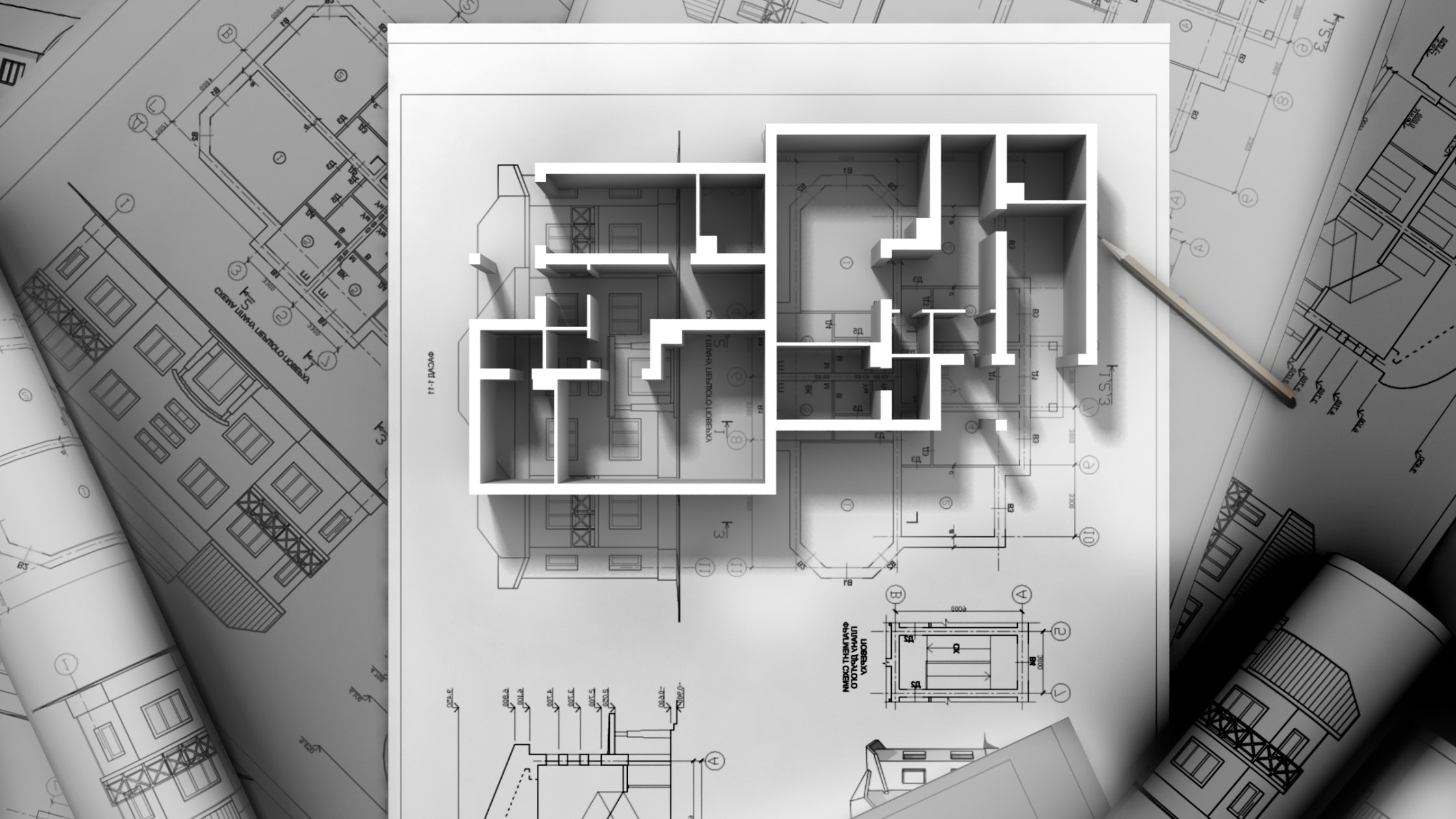
Before embarking on any home addition project, it’s crucial to take a step back and thoroughly evaluate how your current space is being utilized. Sometimes, making simple changes, such as relocating doors, shifting walls, or reconfiguring the layout of a room, can create the extra space you need without the cost, time, and effort of major construction. Thoughtful planning at this stage can save you from unnecessary expenses and ensure your home flows naturally.
Striking the Perfect Balance in Home Additions
When planning an addition, it’s important to strike the right balance between aesthetics and functionality. A good design integrates seamlessly with the existing architecture, so the new space feels like a natural extension of your home rather than an afterthought. This means carefully considering the style, proportions, and materials used in the original structure to ensure the addition blends harmoniously. At the same time, the new space should meet your practical needs, offering the functionality and convenience required for your lifestyle. A well-planned addition doesn’t just expand your home—it enhances it.
Bringing Your Vision to Life
Home additions, whether a second-story addition or a simple bump-out, require careful planning. Focus on how your family will use the space daily and prioritize features that enhance both comfort and value.
Remember to consider key features like natural light and ample storage when working on any project, and don’t hesitate to explore accessory dwelling units for even greater flexibility.
By carefully curating projects to meet your family’s needs and working with experts, you can create a home that evolves just as you do.
For even deeper insights, see The Homeowner’s Guide to Home Additions.