
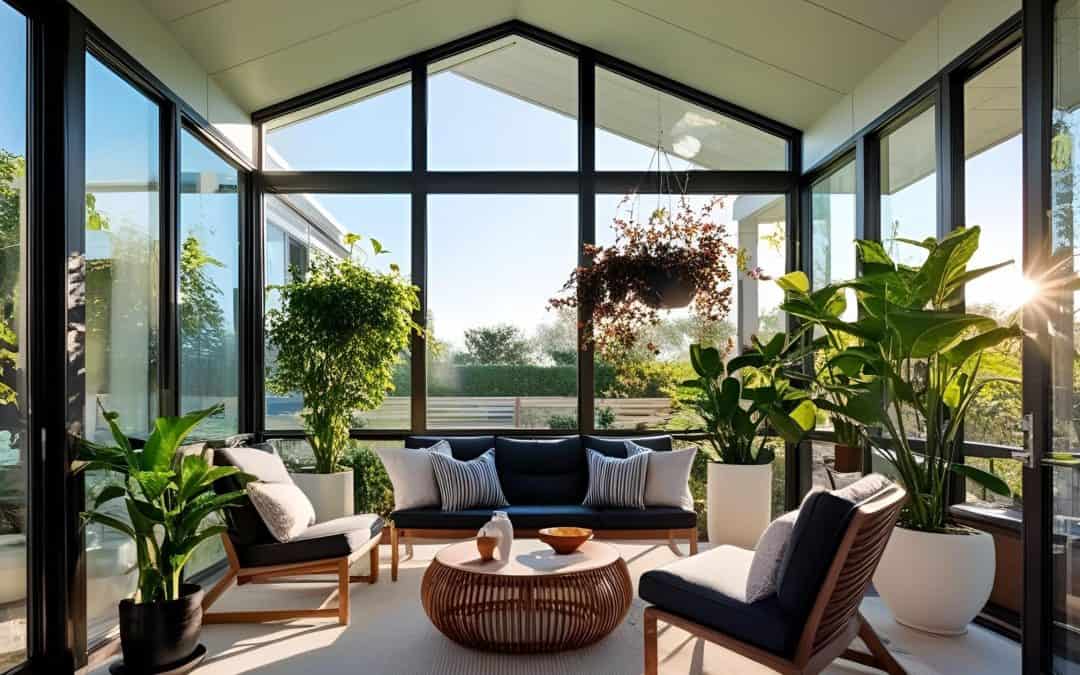
Thinking about adding more functionality and space to your Greenwich, CT home? Whether you’re envisioning a larger kitchen, a serene home office, or even a cozy guest suite, adding a well-designed home addition can completely transform your property. Besides boosting your living space, it enhances property value and aligns perfectly with your family’s specific needs.
Greenwich, with its historic homes and unique architectural charm, offers endless opportunities for high-quality custom home additions. Let’s explore what you need to know before starting your construction process and how to ensure a smooth, successful project.
Why Consider Home Additions in Greenwich, CT?
Home additions are a smart solution for homeowners needing extra room or seeking to modernize their homes without moving. The benefits are many, ranging from improved functionality to adding a personal touch to your living space.
Specific to Greenwich, a well-planned new addition ensures that your house remains in harmony with the historic aesthetics popular in neighborhoods like Riverside or Cos Cob. And with its family-friendly atmosphere, access to elite schools, and scenic waterfronts, investing in a new addition solidifies your place in one of Fairfield County’s most desirable areas.
Did you know? Many Greenwich homeowners opt for home additions such as expanded garages, sunrooms, or finished basements to cater to modern life while preserving their home’s unique character.
Navigating Zoning Regulations in Greenwich

Building home additions in Greenwich, CT, requires careful attention to local zoning rules and regulations. Greenwich is known for its charm and architectural heritage, and the town’s zoning laws are designed to maintain this character.
Understanding Zoning Rules in Greenwich
Before starting your construction process, familiarize yourself with zoning classifications, setback requirements, height restrictions, and lot coverage limits. Each neighborhood in Greenwich may have different zoning requirements, so it’s important to check the specific regulations that apply to your property.
Securing Necessary Permits
To move forward with your project, you’ll need to secure all necessary permits, such as building permits and zoning approvals. For properties located in historic districts or designated zones, you may also need to comply with additional historic preservation guidelines. These guidelines can include restrictions on exterior modifications to ensure the home addition blends seamlessly with the surrounding architecture.
Working with Professionals
Navigating zoning regulations and obtaining permits can be complex. Consider consulting with local architects, contractors, or zoning attorneys who work closely with Greenwich regulations. Their expertise can help streamline the approval process and ensure your home addition meets all legal requirements.
Planning your home additions in Greenwich, CT, may take time, but understanding zoning rules and securing the right permits will ensure a smoother construction process and a result that complements Greenwich’s unique character.
Quick tip: Contact the Greenwich Planning and Zoning Department early in your planning stage. They offer insights on zoning compliance and historical preservation, helping you obtain necessary permits efficiently.
Planning Your Home Addition Greenwich, CT
Step 1: Define the Purpose of the Addition
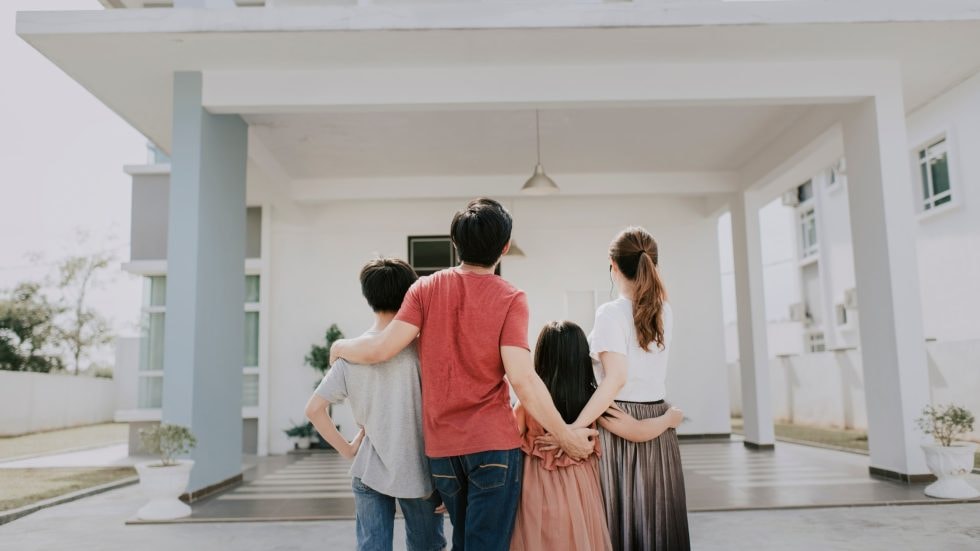
Before starting your home addition project, it’s essential to understand what your family needs most from the new space. Are you looking to create a kitchen that can accommodate big family gatherings or a spacious bathroom for a growing household? Maybe you want a home office, a guest room, or even a sunroom to enjoy the seasons. Clearly defining the purpose of your addition will help you set priorities and guide every decision throughout the design and construction process.
Step 2: Collaborate With Experts in Home Additions
Partnering with experienced professionals is one of the most critical steps in planning a successful home addition. An expert team that specializes in home additions can ensure every phase of construction runs smoothly, from the early design phase to final inspections. They can help create a cohesive design that blends seamlessly with your home’s existing architecture while ensuring it aligns with Greenwich’s unique aesthetic and strict local building guidelines.
Experienced contractors and architects will also assist with obtaining necessary permits, budgeting accurately, and managing timelines, so the process stays stress-free and on track. Choosing the right team is an investment in the quality and longevity of your home addition.
Step 3: Set a Realistic Budget and Timeline

Home additions can range significantly in cost and duration, depending on the size, complexity, and finishes of the project. Sit down with your builders and create a realistic budget that accounts for all expenses, including design, materials, labor, permits, and unexpected costs. It’s also important to outline a timeline that works for your family’s schedule. A clear plan will help you avoid delays and keep the home remodeling project moving forward smoothly.
Step 4: Incorporate Sustainable Design Features
If you’re looking for ways to make your home addition more eco-friendly, consider incorporating sustainable design practices into the project. Some options include energy-efficient appliances, solar panels, reclaimed wood, and insulation made from environmentally friendly materials. Locally sourced materials can reduce your carbon footprint while adding character to the finished space. Other green building ideas include rainwater harvesting systems and low-flow plumbing fixtures, which can save water and reduce utility costs in the long run.
For more inspiration, check out this guide on incorporating green building practices. Not only does sustainability elevate your home, but it also helps the environment and contributes to long-term savings.
Step 5: Ensure the Addition Matches Your Home’s Style
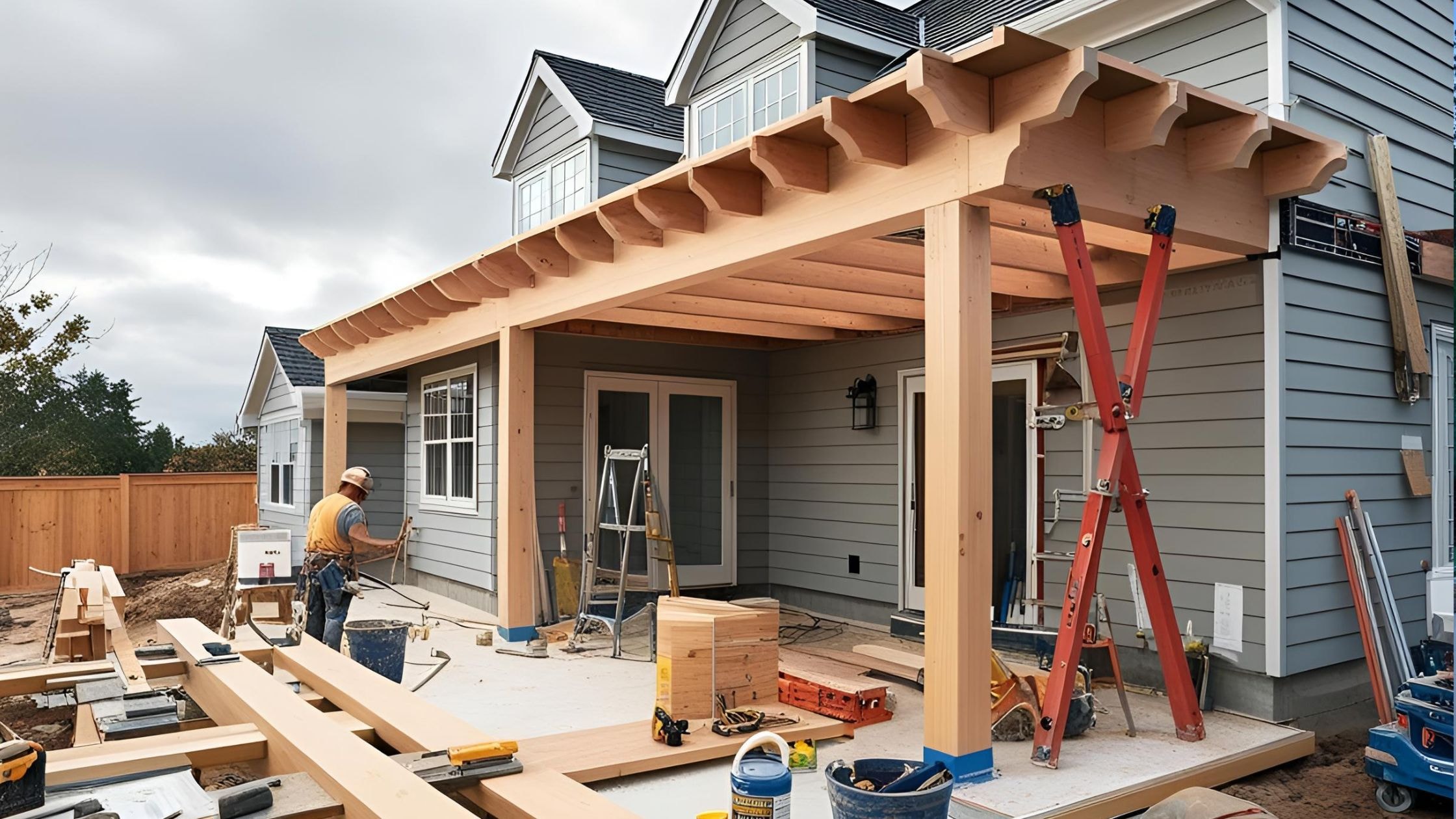
To ensure your addition feels like a natural extension of your home, pay close attention to design details such as flooring, paint colors, roofing, and architectural elements. Work with your contractors to choose materials and finishes that match or complement the existing home. This is especially important in areas like Greenwich, where maintaining the charm and character of a home is key to preserving property value and curb appeal.
Step 6: Plan for the Future
When designing your home addition, think beyond your current needs and consider what your family might need in the future. Will the space adapt to changing family dynamics, such as aging parents moving in or kids leaving for college? Flexible and multi-functional spaces can add long-term value to your home and prevent the need for renovations down the line.
Quick tip: Adding natural light through skylights or south-facing windows can save energy and enhance your home’s ambiance.
Popular Home Addition Ideas in Greenwich
Expansive Kitchens
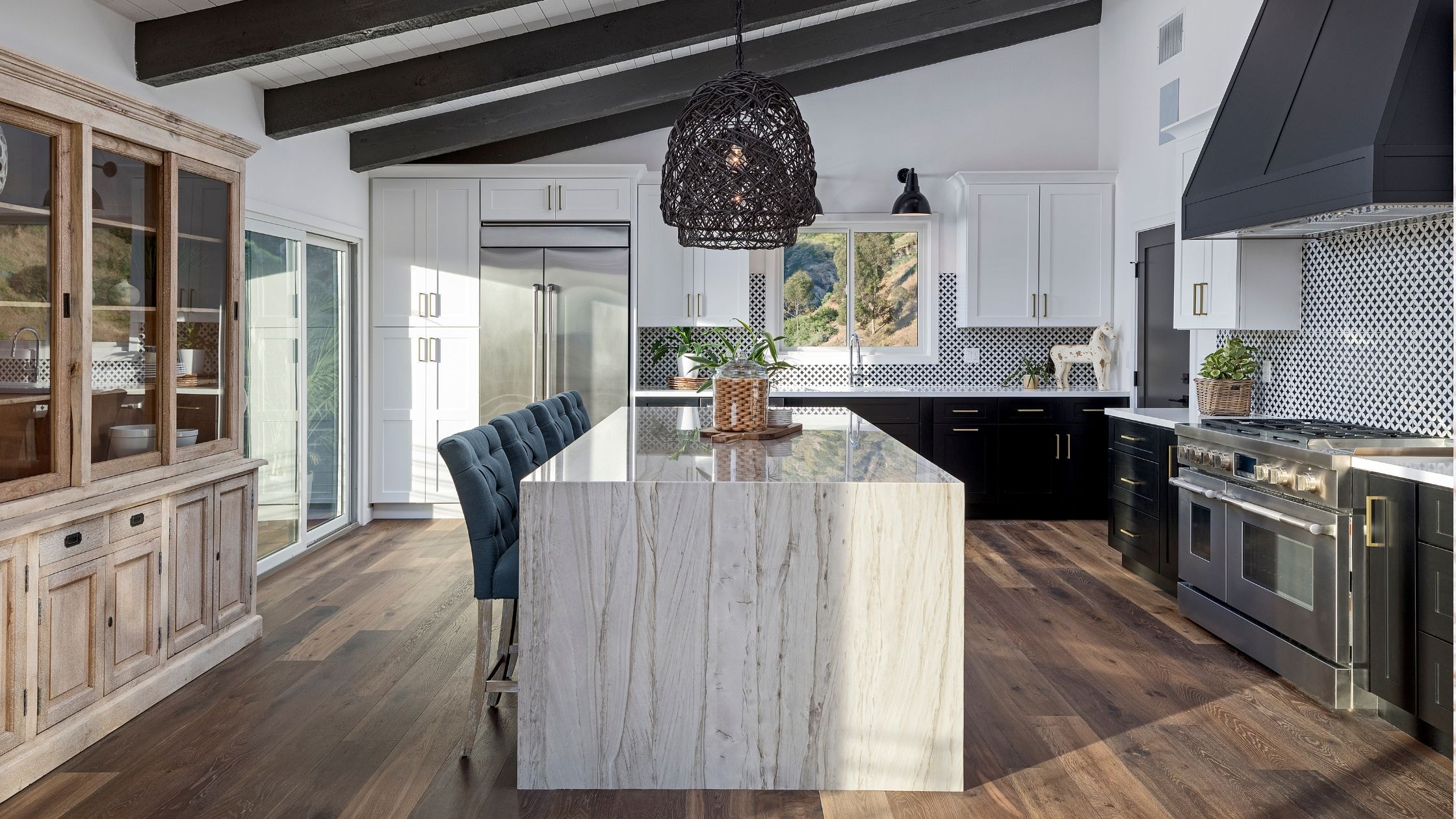
Expanding your kitchen offers more than just extra counter space and storage—it transforms the heart of your home. Greenwich homeowners often choose larger kitchen designs featuring:
- Open layouts that seamlessly connect to dining or living areas
- Spacious islands for additional prep space, casual dining, and entertaining
- High-end appliances that combine functionality with sophisticated design
- Custom cabinetry to maximize storage while enhancing visual appeal
- Modern lighting solutions that serve as both practical fixtures and design elements
Garage Additions
A garage expansion represents one of the most practical investments for Greenwich homeowners, offering:
- Additional vehicle storage protected from New England weather
- More space for tools, outdoor equipment, and seasonal items
- Potential for multi-purpose use as workshops, home gyms, or art studios
- Optional loft areas that can serve as guest accommodations or recreation rooms
- Modern features including energy-efficient insulation and smart technology
Home Offices
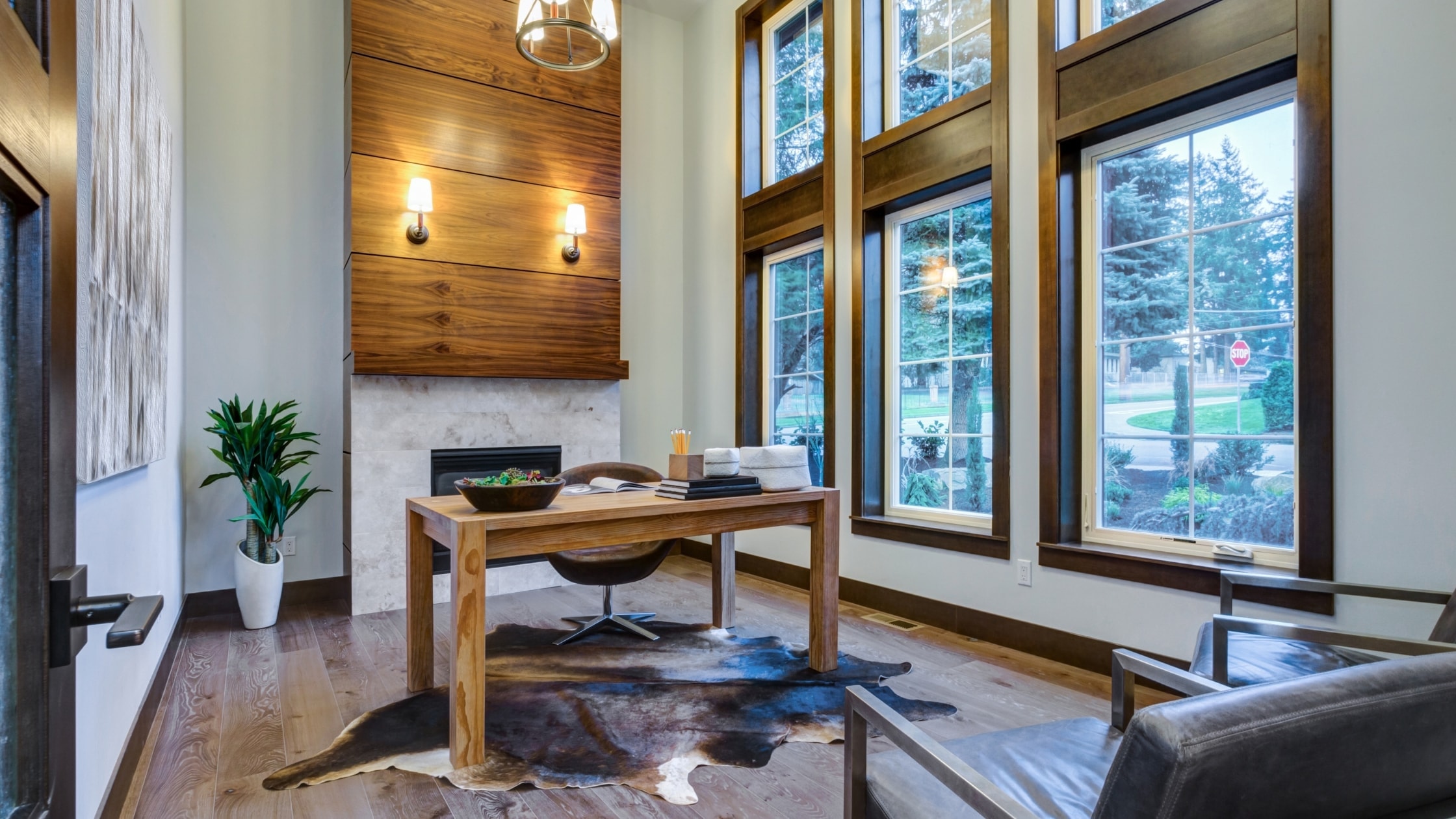
As remote work continues to shape our lifestyles, a dedicated home office has become essential. The ideal office addition provides:
- A quiet, focused space separated from household activity
- Built-in desks and storage solutions tailored to your workflow
- Ample shelving for books, documents, and decorative elements
- Large windows to maximize natural light and boost productivity
- Custom technology integration for seamless connectivity
Bedroom Suites
The luxury bedroom suite serves as a private sanctuary, featuring:
- Spa-inspired bathrooms with soaking tubs and walk-in showers
- Custom walk-in closets with specialized storage solutions
- Comfortable sitting areas for relaxation and unwinding
- Elegant fireplaces that create warmth and ambiance
- Private outdoor access to decks or balconies
Sunrooms or Solariums
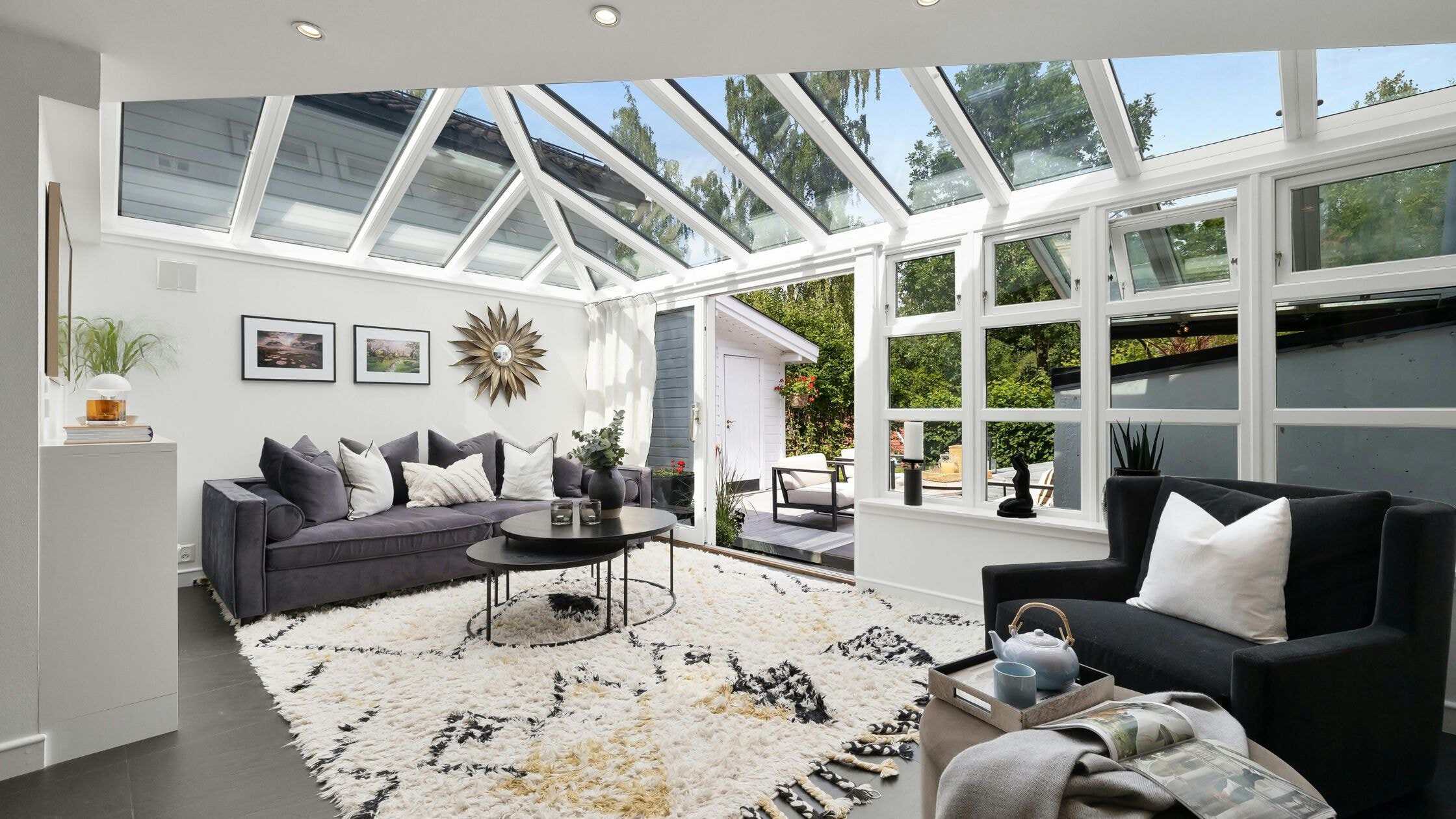
These light-filled spaces bridge indoor comfort with outdoor beauty:
- Floor-to-ceiling windows that maximize natural light year-round
- Energy-efficient glass that maintains comfortable temperatures in all seasons
- Versatile areas for relaxation, casual dining, or entertaining
- Strategic skylights that enhance the open, airy atmosphere
- Seamless transitions to outdoor living spaces and gardens
Did you know? The Design-Build Process streamlines your project, combining design and construction under one team. Learn more in our homeowner’s guide to home additions.
FAQs
1. How much does a home addition cost in the Greenwich, CT area?
Costs vary depending on the size and scope. A detailed budget analysis with your contractor will ensure clarity.
2. How long do home additions take to complete?
On average, home additions take 4-6 months, but this depends on project complexity and obtaining necessary approvals.
3. Do I need special permits for home additions Greenwich, CT?
Yes. Greenwich requires permits for most home remodeling projects, especially in historic zones. Ensure all approvals are in place before breaking ground.
4. What makes a good home addition?
A great addition blends seamlessly with your existing structure and reflects thoughtful planning for functionality and aesthetics.
Start Your Greenwich Home Addition Today
A home addition can transform your property into a more spacious, functional, and stylish home while staying true to Greenwich’s iconic charm. Thinking of enhancing your space? Contact local pros who specialize in crafting stunning home additions.
Whether you’re adding a second-floor living space or remodeling your bathroom, your project should be tailored to your unique specific needs.
For more design inspiration and ideas, explore our home additions guide.