
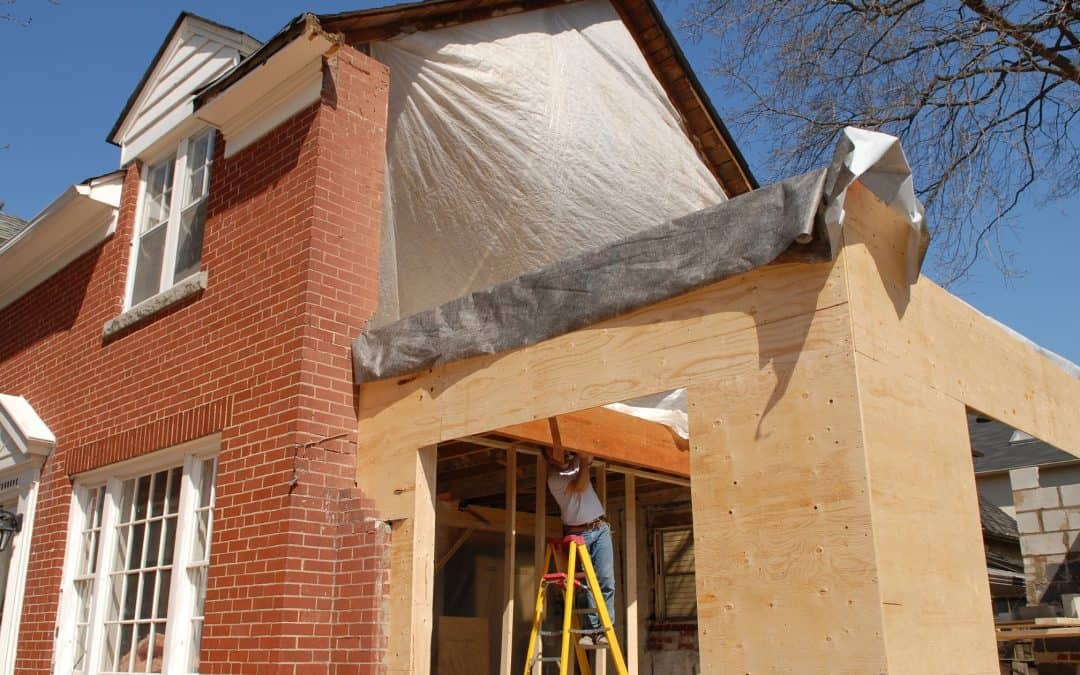
Are you feeling cramped in your current home? Perhaps you’re dreaming of more space for your growing family, a dedicated space to work from home, or even an in-law suite for extended family visits. Whatever the need, deciding how to expand your home can be a major investment that requires careful planning. Two popular options to add square footage to your home are room additions and second-story additions. Each approach has its benefits and challenges, and understanding these can help you pick the right solution for your lifestyle and budget.
This guide will walk you through the key differences between room additions and second-story additions, factors to consider when choosing, and helpful tips for navigating zoning requirements and building codes. By the end, you’ll be ready to make an informed decision and plan your perfect new living space.
What Are Room Additions?
Room additions involve adding extra square footage to your home by building outward. This could mean extending your living space into the backyard or even creating an entirely new room like a family room or guest bedroom.
Room additions are commonly used to add functional spaces, such as a primary bedroom, in-law suite, or office space. This type of project typically requires adjustments to your existing home layout, but it allows you to create a seamless extension of your current space.
Benefits of Room Additions
Added Functionality: Room additions provide the opportunity to design spaces that fit your exact needs, whether it’s a larger master bedroom, a family room, or a playroom for the kids.
Outdoor Integration: You can extend and improve your outdoor living space, creating a cohesive design that blends indoor and outdoor elements.
Enhanced Resale Value: Homes with added square footage often hold higher market value, making this project a worthwhile investment.
Considerations with Room Additions
Before committing to a room addition, think about how it impacts your existing home structure, the available land on your property, and potential changes to the exterior aesthetic.
Quick tip: Check local zoning laws and building codes to ensure you’re permitted to expand outward. Some neighborhoods have strict regulations on how much of the property can be developed.
What Are Second-Story Additions?
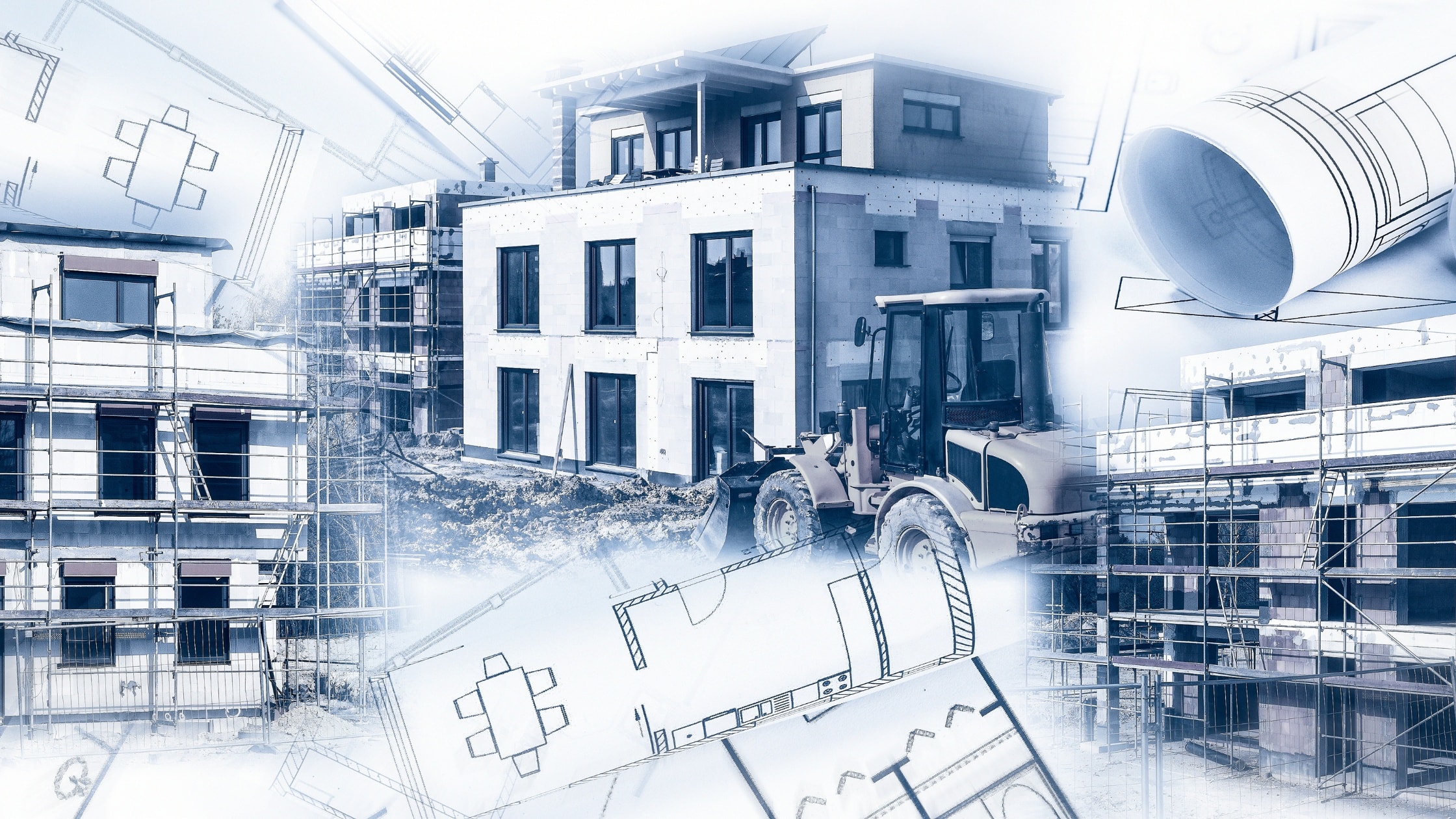
A second-story addition allows you to build upward rather than outward, creating additional living space without losing yard area. This solution is ideal for homeowners working with limited land or those who wish to preserve their outdoor living space.
Benefits of Second-Story Additions
Preserved Yard Space: Perfect for maintaining an outdoor living space while still adding square footage indoors.
Maximized Space in Urban Areas: If your property has zoning limitations or lacks space to expand out, a second story addition can offer a creative way to grow.
Design Potential: A second-story addition grants flexibility to completely reimagine your home’s layout or add spaces like a primary bedroom or office space on the upper level.
Considerations with Second-Story Additions
Second-story additions generally require more structural work, including reinforcing the foundation of your home. They can also temporarily disrupt your living area during construction.
Did you know? A structural engineer may be needed to assess whether your existing house foundation can support a second-story addition. This is often required before obtaining construction permits.
Room Additions vs. Second-Story Additions
When deciding between room additions or second-story additions, consider the following factors:
1. Available Land
If your backyard or side yard has plenty of space to accommodate a structure, a room addition could be the more straightforward option. On the other hand, if your lot size limits expansion, a second-story addition may be necessary.
2. Zoning Laws and Permits
Your local zoning and building codes may dictate what kind of addition is feasible. For example, some neighborhoods have height restrictions that could limit second-story additions.
3. Cost
Room additions typically have lower construction costs than second-story additions. The need for structural reinforcements and potential reconfiguration of HVAC systems often makes building a second-story addition pricier.
Quick tip: Consider a home equity line of credit to help finance your addition if out-of-pocket expenses are not an option.
4. Family Needs
Think about how your family will use the new space. A ground-level addition might better suit a guest bedroom or in-law suite, while a second level could create a private retreat for a master bedroom or a dedicated workspace.
5. Design Impact
Room additions can blend into the current layout seamlessly, while second-story additions often alter the home’s exterior design significantly. Make sure the new design aligns with your home’s aesthetic.
Popular Uses for Home Additions

The Heart of Your Home: The Family Room
Ever dreamed of a perfect hangout spot for your whole family? A family room addition creates that special space where everyone naturally gathers. Picture weekend movie marathons, intense game nights, or chilling together after a long day. As families prioritize spending time together, this extra living space becomes more than just a room – it’s where lasting memories take shape. Better yet, a thoughtfully planned family room can boost your home’s value, making it more attractive to future buyers who are looking for that perfect space to bring their own families together.
Bringing the Outdoors In: Enhanced Living Spaces
Want to make your home feel bigger and better? Adding an outdoor living space is like giving your home a breath of fresh air. Whether you’re thinking about a sun-soaked deck, a cozy patio, or a bug-free screened porch, these spaces blur the lines between inside and outside living. Imagine hosting summer BBQs, enjoying morning coffee in the fresh air, or creating your own backyard retreat. When you pair your new room with an outdoor space, you’re not just adding square footage – you’re creating a whole new way to live in and enjoy your home.
Your Personal Haven: Custom Spaces for Work and Relaxation
Let’s face it – everyone needs their own space sometimes. Whether you’re looking for a quiet home office where you can focus, a creative studio to explore your passions, or just a peaceful spot to unwind, a room addition lets you design exactly what you need. Having a dedicated space helps you stay productive when it’s time to work and truly relax when it’s time to recharge. By creating a space that’s perfectly tailored to your lifestyle, you’re not just adding a room – you’re enhancing your daily life and creating better balance at home.
Looking for inspiration? Check out this article on Popular Home Addition Ideas for Growing Families.
Key Considerations for Your Project
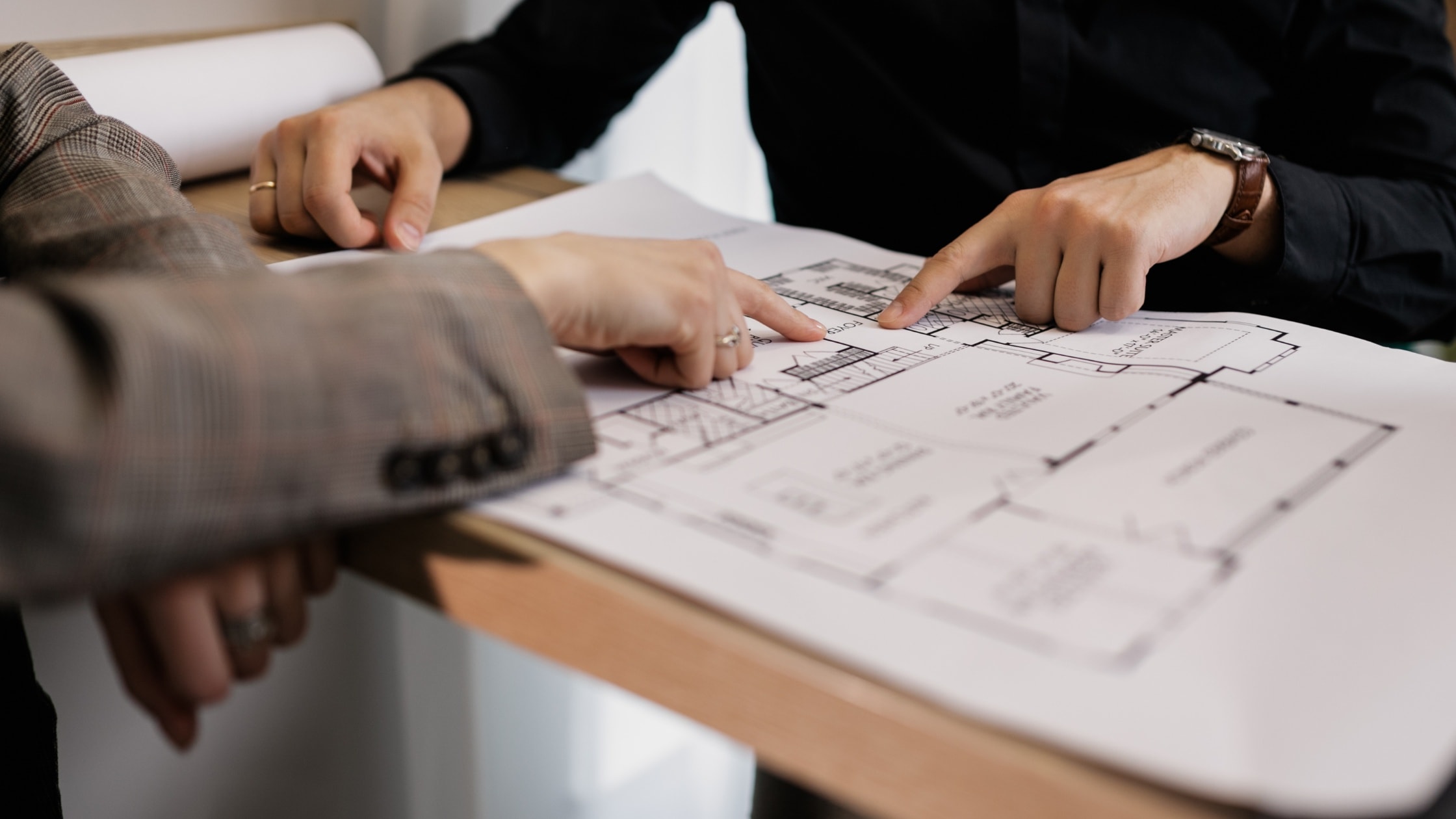
Expanding your home is more than just adding physical space. It’s about aligning the new design with your lifestyle and long-term goals. Since this type of renovation is a major investment, it’s critical to plan ahead.
Budget Wisely
Before diving into your home addition project, take the time to thoroughly research average costs for the type of work you’re planning. Look into material prices, labor fees, and other related expenses. It’s also important to build a financial buffer for unexpected costs that might arise during construction, such as delays or unforeseen issues with your existing structure.
Whether you’re planning something smaller, like a room addition, or a more ambitious second-story addition, keep in mind that while the upfront costs can feel daunting, these investments often pay off in the long run by increasing your home’s value and functionality.
Work with Professionals
A successful home addition project requires the expertise of skilled professionals. Start by hiring an architect or designer who can bring your vision to life while ensuring your plans are both functional and compliant with local building codes. Then, partner with experienced contractors and builders who have a track record of completing similar projects. A capable and trustworthy team will not only help you navigate the construction process but also provide valuable advice, troubleshoot challenges, and ensure the work is completed safely, efficiently, and to your satisfaction. The benefit of working with a design build contractor allows you to work with one company – often a single point of contact.
Think Long-Term
When planning your addition, think beyond your immediate needs. Consider how the new space will serve you and your family in the future. Will it accommodate potential lifestyle changes, such as a growing family, evolving work-from-home needs, or aging-in-place requirements? Additionally, consider how the addition might impact your home’s overall resale value.
A well-designed addition that enhances functionality and aesthetics can significantly increase your property’s appeal to future buyers. Careful long-term planning ensures your investment remains worthwhile for years.
For more details on budget-friendly planning, visit How to Plan a Home Addition.
Make the Right Choice for Your Home
Both room additions and second-story additions have unique advantages, and the right option will depend on factors like your property size, budget, and personal preferences. Whether creating a new living space or expanding upward with a second-story addition, weighing the pros and cons of each option carefully can guide you toward the best decision for your home.
Need help with the next steps? Learn more about the process by reading The Homeowner’s Guide to Home Additions.