Design build Southport, CT homeowners choose combines architectural vision, engineering expertise, and construction excellence into one unified approach that transforms dreams into reality. This integrated methodology eliminates the confusion and delays that come from coordinating separate architects and contractors who have competing priorities and limited accountability. Instead of managing multiple contracts and serving as middleman between professionals who may never communicate directly, you work with a cohesive project team committed to bringing your custom home vision to life from initial plans through final completion.
Southport’s historic coastal character and strict preservation standards demand building professionals who understand the delicate balance between honoring architectural heritage and incorporating modern amenities. Whether you’re renovating one of the elegant Greek Revival homes near Southport Harbor or planning new construction that respects the neighborhood’s tree-lined streetscapes, the right team ensures your project meets the highest standards while navigating Fairfield County’s complex regulatory environment.
The design build approach creates accountability and communication that traditional methods simply cannot match, particularly in communities like Southport where attention to detail and quality craftsmanship reflect generations of pride. Your integrated team coordinates every aspect from securing building permits through Fairfield’s Building Department to the final walkthrough, ensuring your custom home becomes the reality you envisioned rather than a compromise between conflicting professional opinions.
What Makes Design Build Different in Southport, CT?

Historic District Considerations
Design build projects in Southport require professionals who understand both Connecticut State Building Code and the additional layers of local regulations that protect this National Register Historic District. The town maintains strict zoning laws to preserve architectural character, which means your team needs extensive experience navigating Fairfield’s review processes rather than learning through costly mistakes on your project. Historic properties face particular scrutiny regarding exterior changes, requiring sensitivity to period-appropriate materials and design details that honor Southport’s three-century heritage.
Coastal Construction Requirements
The location along Long Island Sound creates unique construction challenges that inland builders often underestimate. Salt air exposure demands weather-resistant materials that withstand constant moisture and corrosive conditions without compromising structural integrity or aesthetic appeal. Proper foundation engineering accounts for coastal soil conditions, while building envelope design addresses wind loads and water infiltration that threaten Connecticut homes near the shore. Value engineering becomes essential in balancing durability investments against budget realities without sacrificing the longevity your custom home deserves.
Quick tip: Meet with Fairfield’s Building Department early in your design phase to discuss historic district requirements and coastal building considerations, which can prevent expensive redesigns when you submit formal permit applications.
Why Choose a Design Build Approach for Your Custom Home?
Unified Project Team
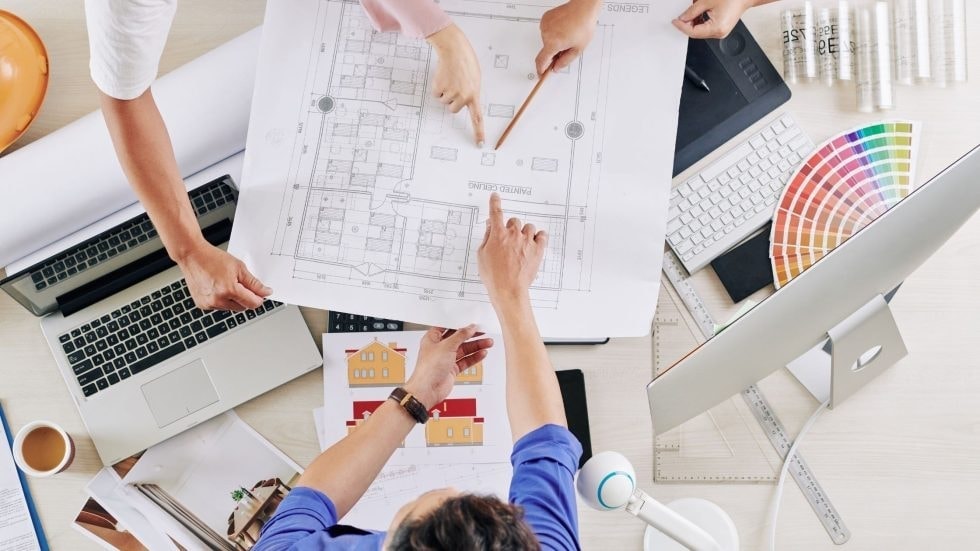
Your custom home building process starts with clear communication channels and single-source accountability that traditional design-bid-build methods fragment across multiple contracts. When architects design in isolation from builders, plans often include details that prove impractical or prohibitively expensive during construction, forcing value engineering after the fact through change orders that delay projects and strain budgets. Design build unifies these professionals under shared responsibility, which means potential issues get addressed during design when solutions cost pennies rather than during construction when they cost thousands.
Budget Predictability
Budget certainty improves dramatically when your contractor contributes construction knowledge during the design phase rather than seeing plans for the first time at bid opening. Research shows design build projects typically cost 6% less than traditional methods while reducing construction time by approximately 12%, according to studies by the Design-Build Institute of America. Early cost projections become reliable because the professionals who will actually build your house participate in design decisions, helping identify where premium materials and craftsmanship matter most and where standard solutions meet your needs perfectly.
Streamlined Timeline
Timeline predictability matters tremendously in Fairfield County markets where carrying costs accumulate and where quality contractors and architects book months ahead. Design build teams overlap design and permitting phases strategically, which compresses overall project duration without sacrificing quality or rushing critical decisions. Material procurement begins earlier when lead times are manageable, and construction sequencing gets planned before ground breaking rather than figured out on the fly.
For comprehensive information about this methodology, explore The Ultimate Guide to Design-Build.
What Should Custom Homes in Southport Include?
Architectural Styles That Fit Southport
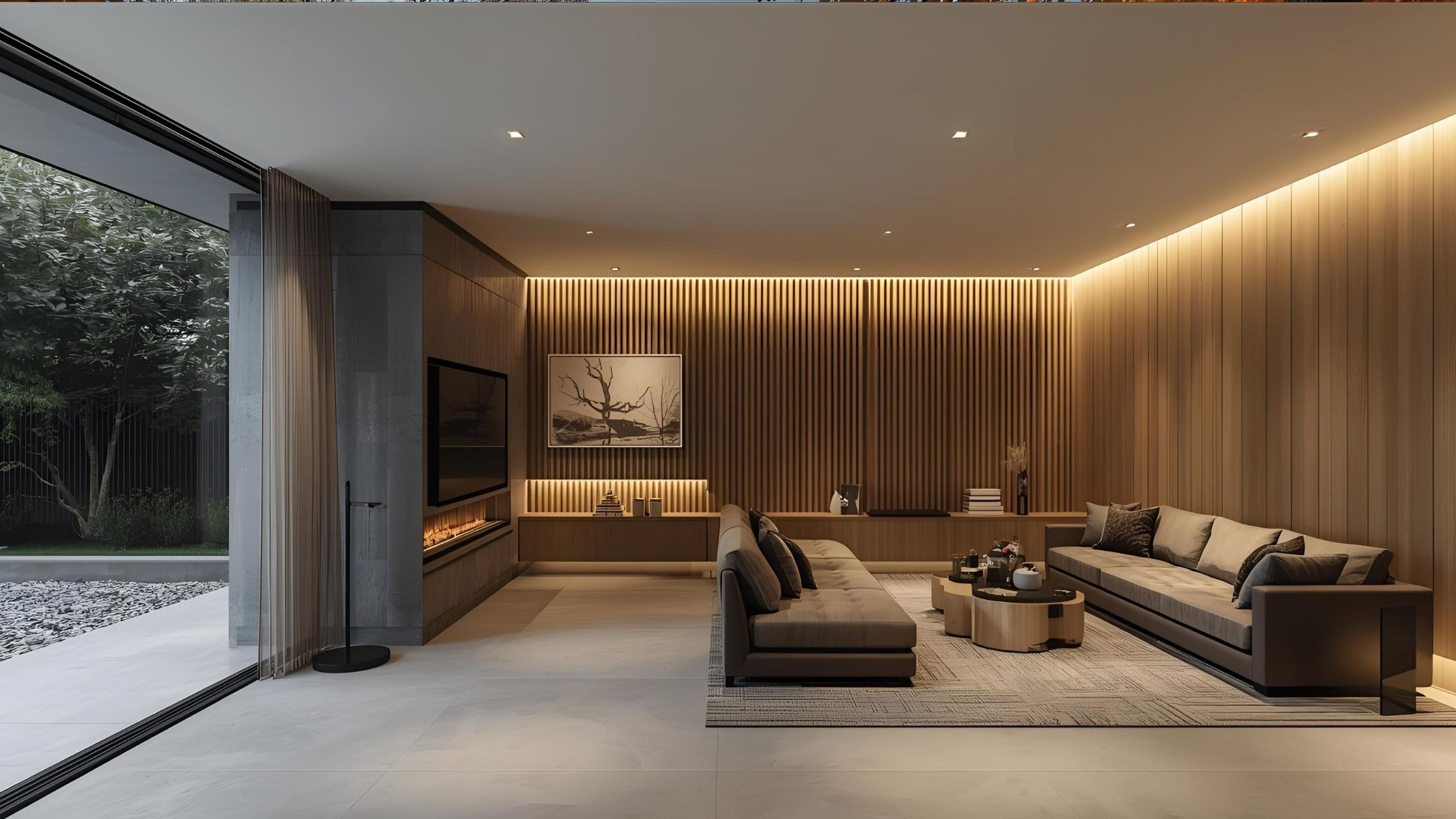
Custom homes in Southport need to reflect your vision while respecting the architectural integrity that makes this village special among Connecticut coastal communities. The neighborhood showcases elegant Federal and Greek Revival architecture from the 18th and 19th centuries, with many properties featuring classic proportions, symmetrical facades, and refined details that have withstood centuries. Modern custom homes often blend traditional exteriors that honor this heritage with contemporary interiors that accommodate how families actually live today, creating seamless fusion between historical context and current needs.
Essential Modern Systems
Today’s custom home building incorporates performance features that weren’t available when Southport’s historic houses were constructed:
- High-efficiency HVAC systems that maintain comfortable temperatures year-round while reducing operating costs
- Advanced insulation in walls, attics, and foundations that prevents heat loss without compromising historic exterior appearance
- Smart home technology for automated climate control, security systems, and lighting management
- Proper ventilation systems that address moisture control in coastal environments
- Energy-efficient windows that meet historic design standards while providing modern performance
Tailored Interior Spaces
The highest standards for interior design balance aesthetic beauty with practical function for your specific lifestyle. Kitchens serve as family gathering spaces requiring thoughtful layouts that accommodate multiple cooks, homework stations, and casual dining without creating bottlenecks during busy mornings. Bathrooms demand careful attention to fixture quality, ventilation performance, and moisture management that prevents damage. Most custom homes over 3,000 square feet include three or more bathrooms to serve family needs comfortably while accommodating overnight guests.
Did you know? Southport’s Pequot Library, established in 1889, hosts one of the largest summer book sales in New England with over 100,000 items—a testament to the community’s commitment to preserving culture and tradition that extends to architectural heritage.
How Do You Navigate Fairfield County Building Regulations?
Understanding Permit Requirements
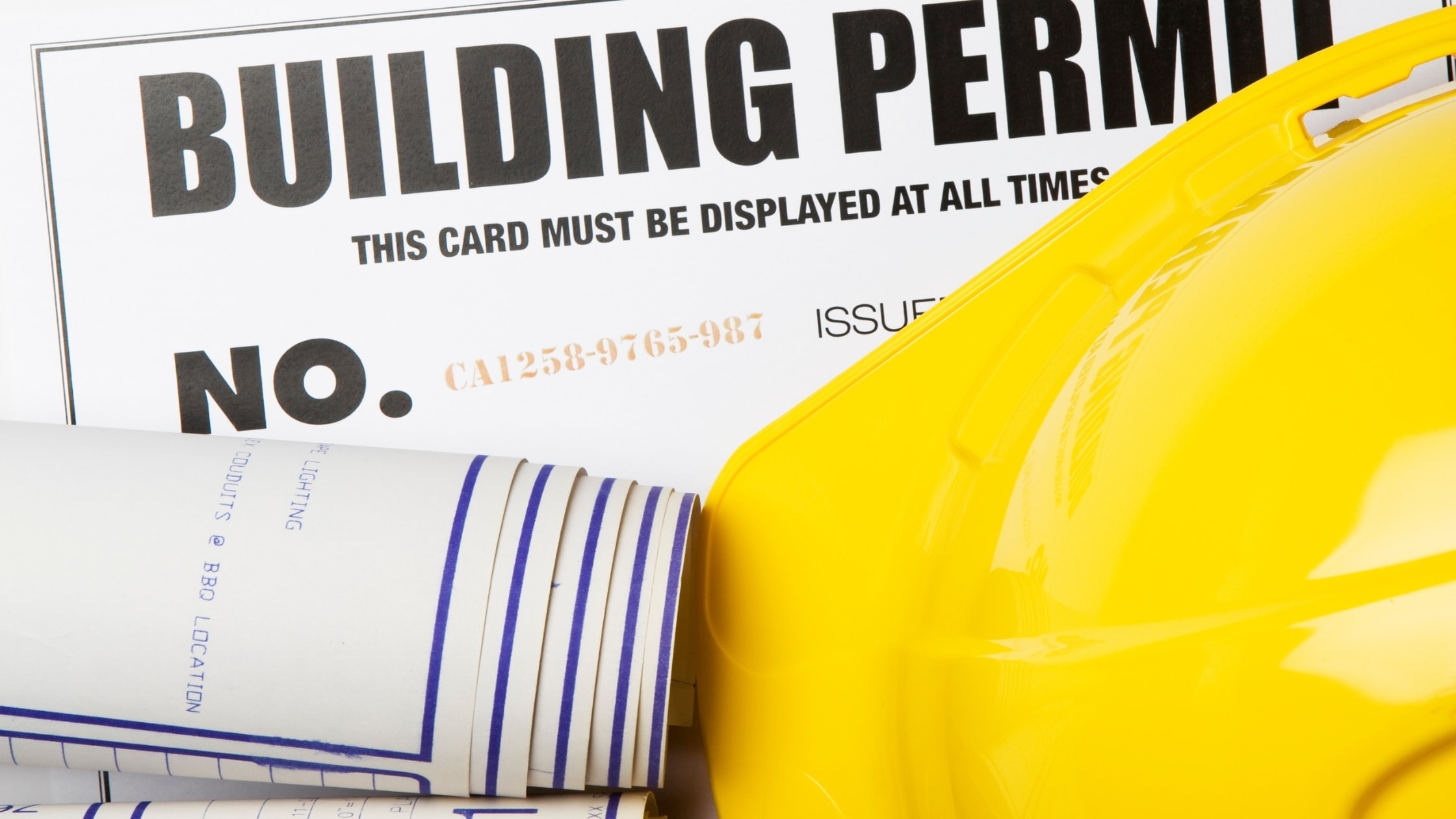
Fairfield County towns maintain unique requirements that surprise builders who assume uniform Connecticut standards. The Town of Fairfield requires building permits for most construction and renovation projects, with applications submitted through their online CitySquared system. Plans require review for Connecticut State Building Code compliance along with local ordinances that address everything from flood zone requirements to historic district standards. Foundation designs must match soil conditions documented in geotechnical reports, and utility connections require coordination with town engineers.
Working Within Historic District Guidelines
Properties within Southport’s National Register Historic District face additional review layers designed to preserve the architectural character that makes this community special. While interior renovations proceed with standard building permits, exterior changes often require careful consideration of how modifications affect historic integrity. Your architect needs experience crafting designs that meet your functional needs while respecting the proportions, materials, and details that define Southport’s streetscapes.
Timeline and Fee Structure
Building permit fees in Fairfield calculate based on construction value, currently at $58.26 for the first thousand dollars and $16.26 for each additional thousand. Processing timelines depend on project complexity and submission completeness, though well-prepared applications typically clear faster than those requiring multiple revision cycles. Your team should schedule pre-application meetings to address questions before formal submission, preventing delays from incomplete documentation.
For detailed guidance on navigating the permit process, contact the Fairfield Building Department.
The Design Build Process from Concept to Completion

Discovery and Planning
The journey begins with comprehensive site evaluation that examines far more than where your house will sit on the property. Your project team assesses topography to understand water movement during storms, evaluates soil conditions that determine foundation requirements, identifies existing utilities and easements that constrain placement, and analyzes views and solar orientation that inform room layouts. This phase establishes realistic budgets based on current Fairfield County construction costs while confirming zoning compliance and identifying potential complications before they become expensive problems.
Design Development
Architectural design services translate your vision into buildable plans that balance your aesthetic preferences with building code requirements and budget realities. Your architect considers how your family actually lives rather than just creating impressive renderings, thinking through traffic patterns, storage needs, and natural light throughout seasons. Engineers work concurrently on structural systems, mechanical layouts, and electrical distribution, preventing conflicts that plague projects where these disciplines work in isolation. Regular meetings maintain your involvement in decisions while keeping the project moving forward toward permit submission.
Construction and Completion
Construction execution brings plans to reality through coordinated management of subcontractors, materials, and inspections. Your project team maintains quality control throughout the build rather than only at completion, which means problems get caught when they’re easy to fix. Weekly updates keep you informed about progress, upcoming decisions, and any challenges requiring collaborative problem-solving. The process culminates in thorough final inspections that verify code compliance and issue certificates of occupancy, followed by detailed walkthroughs ensuring every detail meets your expectations before you take possession.
For comprehensive room-by-room renovation guidance, reference Transform Your Home: A Room-by-Room Home Renovation Guide.
Popular Project Types in Southport
Historic Home Renovations
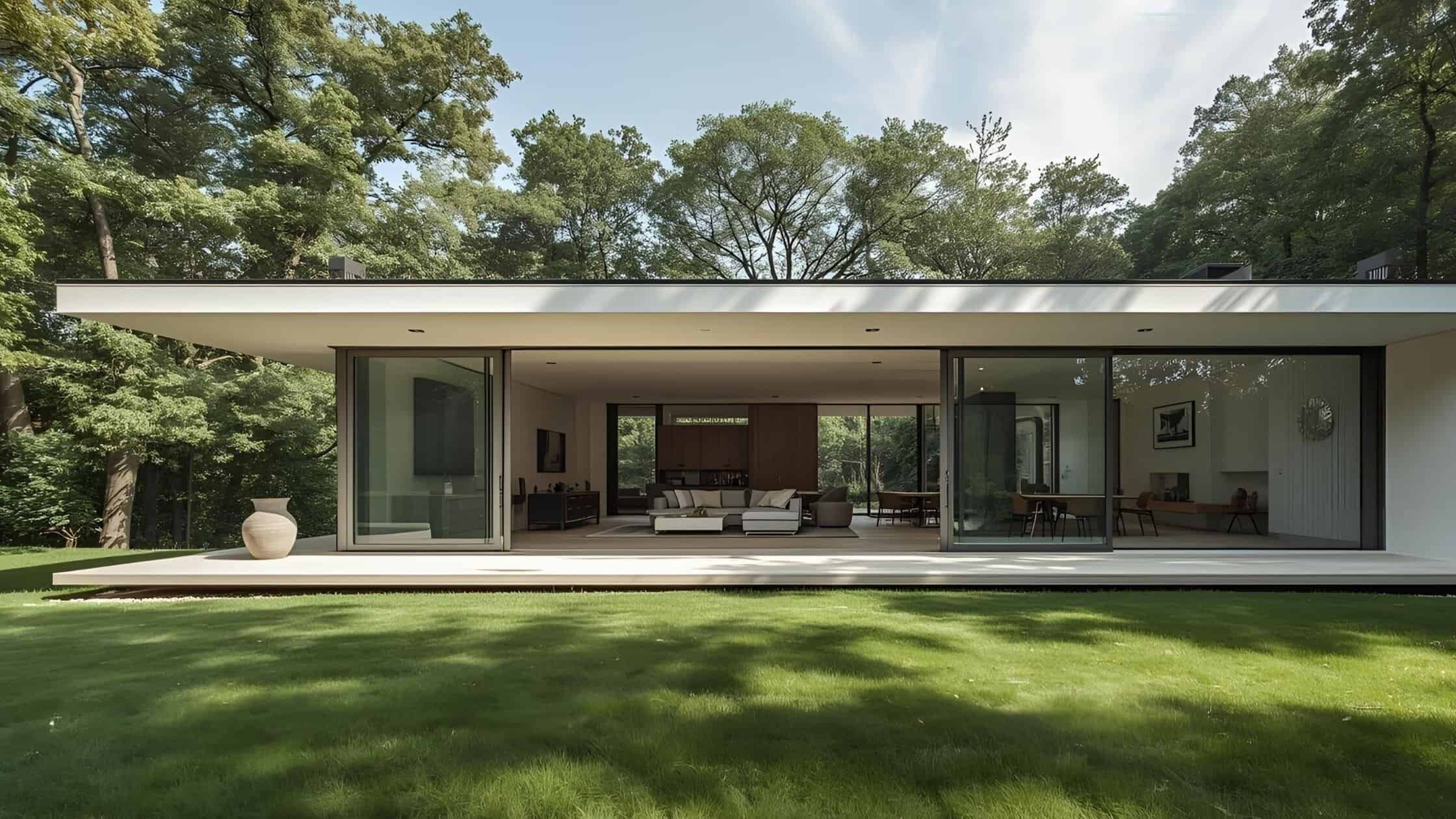
Southport’s architectural heritage includes homes dating back three centuries that require careful renovations balancing preservation with modernization. These projects demand professionals who understand period construction techniques and can seamlessly integrate contemporary systems without compromising historical integrity. Updating electrical service, adding climate control, and renovating bathrooms and kitchens test your team’s ability to work within existing structures while meeting current building codes and homeowner expectations.
Waterfront New Construction
Waterfront properties along Southport Harbor and Long Island Sound command premium prices that reflect their spectacular settings and lifestyle appeal. These projects require specialized knowledge of coastal building techniques, flood zone regulations, and materials that withstand salt air exposure for decades. Site constraints often prove more complex than inland locations, with ledge rock, high water tables, and setback requirements that demand creative problem-solving during design.
Additions and Expansions
Many Southport homeowners choose additions over relocating because of the community’s exceptional quality of life and limited available inventory. These projects add square footage for growing families, aging parents, or home offices that became essential during remote work transitions. Success depends on designs that appear original rather than obviously added, requiring architects who understand proportions, rooflines, and exterior details that make expansions look intentional rather than afterthoughts.
Quick tip: Visit active construction sites by teams you’re considering to observe their job site organization, attention to detail, and the quality of work their subcontractors deliver—you’ll learn more in thirty minutes on site than from hours reviewing finished projects.
When Should You Start Planning Your Project?
Optimal Planning Timeline
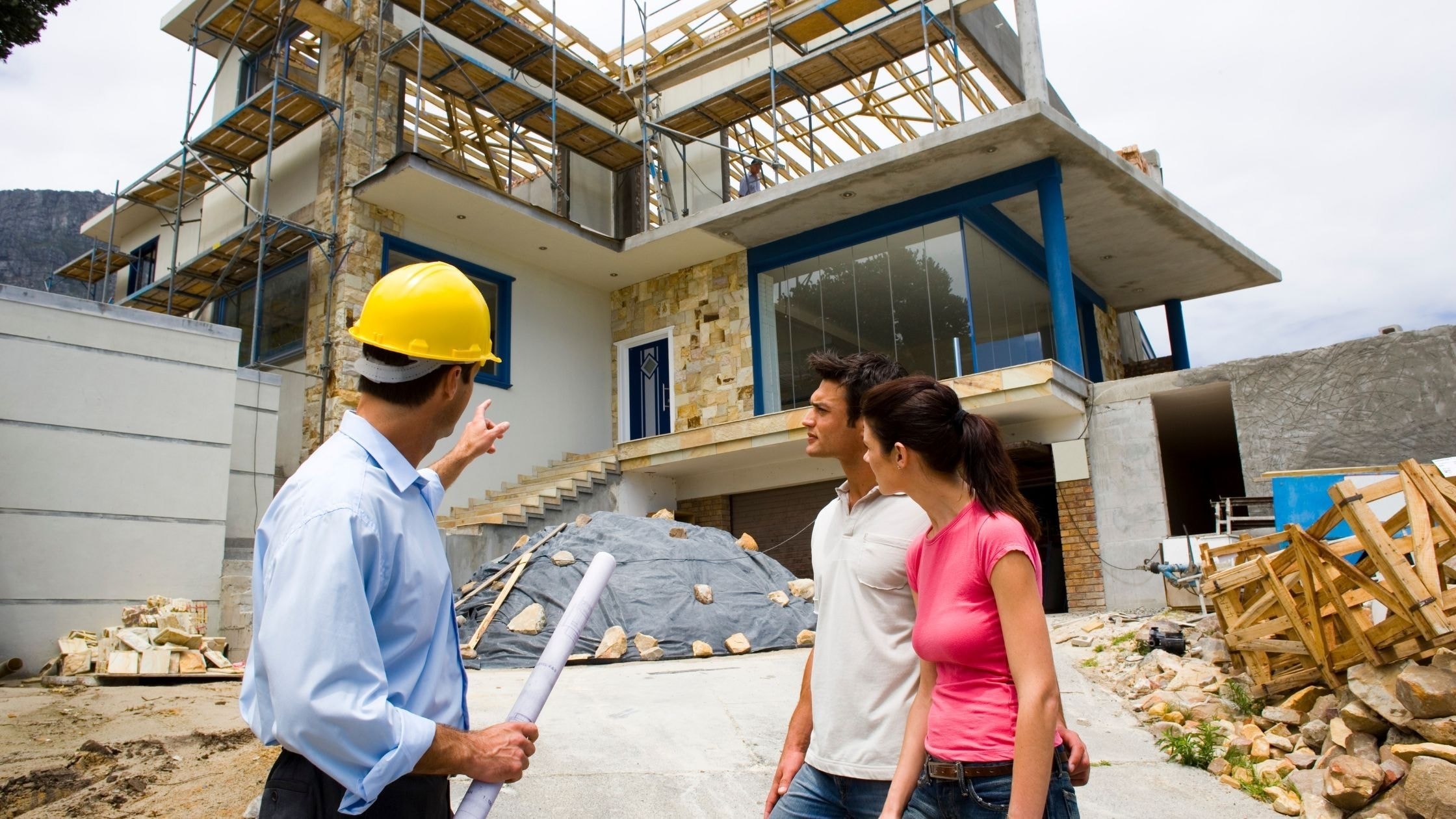
Start planning nine to twelve months before you want construction to begin, which accommodates realistic timelines for design development, engineering coordination, and permit processing through Fairfield’s Building Department. Quality architects and contractors in Fairfield County often book their schedules months ahead, particularly for spring construction starts when weather favors outdoor work. Early planning gives you access to your preferred professionals rather than settling for whoever has availability when you finally commit.
Understanding Project Duration for Custom Home Building
Construction duration varies based on project scope and complexity. Room additions typically take three to six months from excavation through completion, while whole-house renovations require six to twelve months depending on scope and whether you occupy the house during work. New construction custom homes span twelve to eighteen months from ground breaking through final certificate of occupancy, though larger estates or projects with complex site work may extend beyond these timelines.
Seasonal Considerations
Connecticut’s climate affects construction scheduling throughout the year. Foundation work and exterior framing proceed best during mild weather when concrete cures properly and materials don’t suffer damage from temperature extremes. Interior finish work continues year-round once the building envelope is secure and climate-controlled. Strategic scheduling starts design during fall and winter when professionals have more availability, positioning projects for spring construction starts that maximize favorable weather during the critical foundation and framing phases.
For detailed timeline information about home additions, read Understanding Home Addition Timelines: From Start to Finish.
Who Makes Up Your Project Team?

Lead Architect
Your architect leads the design vision while ensuring structural integrity and code compliance throughout the project. Licensed architects in Connecticut complete extensive education, supervised professional experience, and rigorous examinations before earning credentials that authorize them to stamp construction documents. Their role extends beyond creating attractive spaces to include solving complex technical problems and coordinating with other professionals who contribute specialized expertise.
Building Contractor
The contractor translates architectural plans into physical reality through construction knowledge and field management skills. Experienced professionals understand building sequences that keep trades working productively, maintain relationships with specialty subcontractors whose availability affects scheduling, and solve the inevitable field problems that arise when theory meets physical constraints. Licensed and insured contractors protect your investment while maintaining working relationships with town inspectors that facilitate smooth approvals rather than adversarial interactions.
Supporting Professionals
Complete project teams include structural engineers who calculate loads and specify framing systems, MEP engineers who design mechanical and electrical systems, interior designers who refine finishes and fixtures, and project managers who coordinate schedules and maintain communication. Each professional contributes specialized knowledge that improves outcomes while your architect orchestrates collaboration ensuring everyone works toward shared goals rather than optimizing their individual scope.
Did you know? Southport’s annual Blessing of the Fleet parade in June continues a tradition dating back decades, where local clergy bless boats in the harbor for safe sailing—reflecting the community values of tradition and excellence that extend to how residents approach home building projects.
Frequently Asked Questions About Design Build in Southport, CT
What is design build and how does it differ from traditional construction?
Design build integrates architecture, engineering, and construction under one contract that creates unified accountability throughout your project. Traditional design-bid-build methods separate design and construction into distinct phases with different contracts, requiring owners to coordinate between professionals who may have never worked together. This integrated approach reduces communication gaps, shortens overall timelines by overlapping phases, and provides clearer cost projections because builders participate in design decisions from the start.
How long does a design build project take in Southport?
Project duration depends on scope and complexity, with room additions typically requiring three to six months from design through completion. Whole-house renovations take six to twelve months depending on scale and whether you live in the house during construction. New construction custom homes require twelve to eighteen months from initial design through final occupancy. Historic district properties may need additional time for review processes, and complex sites with challenging conditions can extend timelines beyond these estimates.
What special considerations apply to building in Southport’s historic district?
Properties within Southport’s National Register Historic District must maintain architectural character through careful material selection and design details that respect period styles. While interior renovations proceed with standard building permits, exterior changes require consideration of how modifications affect historic integrity. Your team needs experience working within these guidelines to create designs that meet your functional needs while honoring the architectural heritage that makes Southport special among Connecticut communities.
What are the advantages of working with local Fairfield County builders?
Local builders understand Connecticut State Building Code and Fairfield’s specific requirements, maintaining relationships with town officials that expedite permit approvals and inspections. They know which materials withstand coastal conditions and can recommend reliable subcontractors whose availability affects project scheduling. They also understand neighborhood dynamics that affect logistics in established communities where narrow streets and mature trees require careful planning.
Can I make changes during construction?
Changes remain possible throughout construction though they affect budgets and schedules depending on timing and scope. Minor modifications early in the build process prove easier and less expensive than major changes after work has progressed significantly. Change orders document revised scope and associated costs before proceeding, and good teams explain implications clearly so you can make informed decisions. The collaborative nature of design build makes accommodating changes smoother than traditional methods where modifications require renegotiating between separate contracts.
How do I choose the right design build team for my Southport project?
Start by verifying Connecticut contractor licensing and insurance through the state Department of Consumer Protection to confirm credentials and coverage. Review completed projects similar to yours in size, style, and scope, checking references from recent clients about their experience. Interview multiple teams to assess communication style, professionalism, and their understanding of your vision. Request detailed proposals outlining scope, timeline, and budget structure. Confirm they have successful experience with Fairfield’s Building Department and understand Southport’s unique character and requirements.
What should I budget for a custom home in Fairfield County?
Custom home costs vary based on size, location, finish quality, and architectural complexity, with Fairfield County commanding premium prices that reflect its desirable location and high quality expectations. Waterfront properties require specialized construction knowledge that affects budgets, and historic renovations demand craftspeople who understand period details. Design build teams provide detailed estimates during the design phase based on your specific requirements, with value engineering identifying where premium investments matter most and where standard solutions serve your needs appropriately.
Design Build Southport CT Excellence
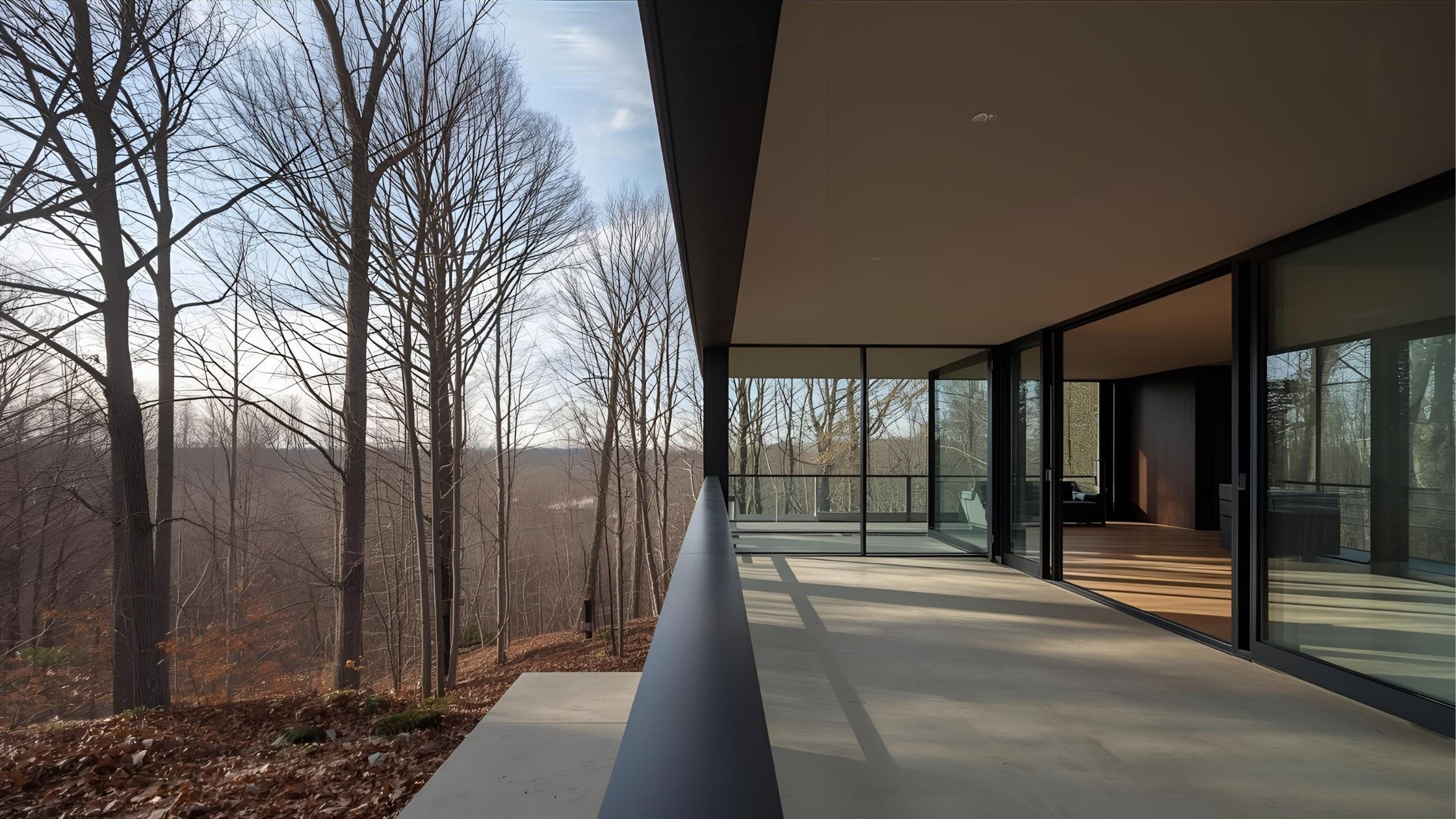
Creating your dream home in Southport requires more than construction expertise—it demands understanding of this historic coastal community’s character, regulations, and the exceptional standards residents expect. The design build approach brings together all the professionals you need under unified vision and shared accountability, eliminating the stress of coordinating multiple contracts while giving you greater control over budget and timeline.
Whether you’re drawn to the waterfront lifestyle along Southport Harbor, the walkable village center with its boutique shops and restaurants, or the tree-lined streets showcasing architectural heritage dating back centuries, the right project team transforms your client’s vision into a custom home that serves your family beautifully for generations. Take time to find building professionals who listen to your ideas, respect your budget, bring proven expertise navigating Fairfield County requirements, and stand proud behind every detail of their work—because exceptional projects begin with choosing exceptional teams committed to excellence from concept through completion.