Dreaming of transforming your basement into a functional and inviting living space? Finishing your basement can add significant value to your home and provide a versatile space for your family. Whether you envision a cozy family room, a modern bedroom, or a productive home office, this guide will walk you through the essential steps to achieve your goals. From waterproofing and insulation to design tips and safety considerations, we’ll provide the knowledge and inspiration you need to create a basement you’ll love.
Why Finish Your Basement?
Finishing your basement adds valuable living space and enhances your home’s overall functionality. This transformation can significantly increase your property value, providing a high return on investment. Whether you need extra room for a growing family or want a cozy retreat, a finished basement offers endless possibilities.
Quick tip: A finished basement can boost your home’s resale value by up to 70%.
How to Finish a Basement: Planning
Before starting any construction, plan your basement remodel carefully. Consider the space’s intended purpose, budget, and timeline. Sketch a layout with essential features such as walls, electrical outlets, and plumbing. Planning helps avoid costly mistakes and ensures a smooth renovation process.
Setting Goals and Budget
Decide on the primary use of your finished basement. Will it be a family room, bedroom, or home office? Establishing clear goals helps in making informed design choices. Additionally, set a realistic budget that covers all aspects of the remodel, including labor, materials, and permits.
Hiring Professionals
While some DIY enthusiasts may attempt to finish a basement independently, hiring professionals is advisable for electrical work, plumbing, and structural changes. Experienced contractors ensure that the work meets building codes and safety standards.
Did you know? Consulting a structural engineer can help assess your basement’s load-bearing capacity, which is crucial for safe renovations.
How to Finish a Basement: Waterproofing
Waterproofing is a critical step in finishing a basement. Basements are prone to moisture issues, which can lead to mold growth and structural damage. Implement proper waterproofing measures to create a dry, safe environment.
Interior and Exterior Waterproofing
Interior waterproofing involves sealing walls and floors with waterproof coatings. Although more expensive, exterior waterproofing provides a long-term solution by redirecting water away from your home’s foundation. Both methods are effective in preventing water infiltration.
Installing a Sump Pump
A sump pump helps manage excess water by collecting and pumping it away from your basement. Install a reliable sump pump with a battery backup to ensure continuous operation during power outages.
Quick tip: Regularly inspect and maintain your sump pump to prevent malfunctions.
How to Finish a Basement: Insulation
Proper insulation improves energy efficiency and comfort in your finished basement. It helps regulate temperature, reducing heating and cooling costs.
Types of Insulation
Choose from various insulation materials, including fiberglass batts, spray foam, and rigid foam boards. Each type has unique benefits, so select the one that best suits your needs and budget. Spray foam insulation provides excellent coverage but may be more costly.
Insulating Walls and Floors
Insulate walls by adding framing and filling cavities with insulation material. For floors, consider insulated subfloor panels, which provide thermal insulation and moisture protection.
Did you know? Insulating your basement can reduce energy bills by up to 20%.
How to Finish a Basement: Framing and Drywall
Framing and drywall installation are essential for creating walls and dividing your basement into functional areas. Proper framing supports drywall and other wall coverings, ensuring a sturdy structure.
Building Wall Frames
Construct wall frames using pressure-treated lumber to prevent decay and termite damage. Secure the frames to the floor and ceiling joists with appropriate fasteners.
Hanging Drywall
Hang drywall sheets horizontally or vertically, depending on your preference. Use drywall screws to attach the sheets to the frames, and apply joint compound to seams and corners for a smooth finish.
Quick tip: Use moisture-resistant drywall in damp areas, such as bathrooms and laundry rooms.
How to Finish a Basement: Flooring Options
Choosing the right flooring is crucial for durability and aesthetics in a finished basement. Consider moisture-resistant and easy-to-clean options that can withstand basement conditions.
Laminate Flooring
Laminate flooring offers a cost-effective and stylish solution. It’s available in various designs, mimicking wood, tile, or stone. Laminate is resistant to moisture and easy to install.
Vinyl Plank Flooring
Vinyl plank flooring is another excellent choice for basements. It’s waterproof, durable, and available in many styles. Vinyl planks are simple to clean and maintain, ideal for high-traffic areas.
Carpet Tiles
For a cozy and warm feel, opt for carpet tiles. They are easy to install and replace and provide sound insulation. Choose low-pile or Berber carpet for added durability.
Did you know? Raised subfloor systems can help protect your flooring from moisture and improve insulation.
How to Finish a Basement: Lighting Solutions
Proper lighting enhances the ambiance and functionality of your finished basement. Combine different lighting types to create a well-lit and inviting space.
Recessed Lighting
Recessed lighting, also known as can lights, is perfect for basements with low ceilings. They provide a sleek and modern look while offering ample illumination.
Track Lighting
Track lighting is versatile and adjustable, allowing you to direct light where needed most. It’s ideal for highlighting specific areas or features in your basement.
Floor and Table Lamps
Incorporate floor and table lamps for additional lighting and decorative accents. These portable light sources add warmth and character to your basement.
Quick tip: Use LED bulbs for energy-efficient and long-lasting lighting.
How to Finish a Basement: Heating and Cooling
Maintaining a comfortable temperature in your basement is essential for year-round usability. Implement effective heating and cooling solutions tailored to your needs.
Extending HVAC Systems
If your home has a central HVAC system, consider extending ductwork to the basement. This option provides consistent heating and cooling throughout the space.
Installing a Mini-Split System
A mini-split system is an efficient alternative for heating and cooling basements. It is easy to install, energy-efficient, and offers individual temperature control.
Using Portable Heaters and Fans
Portable heaters and fans are budget-friendly options for maintaining a comfortable temperature. They provide flexibility and can be moved as needed.
Designing a Comfortable Family Room
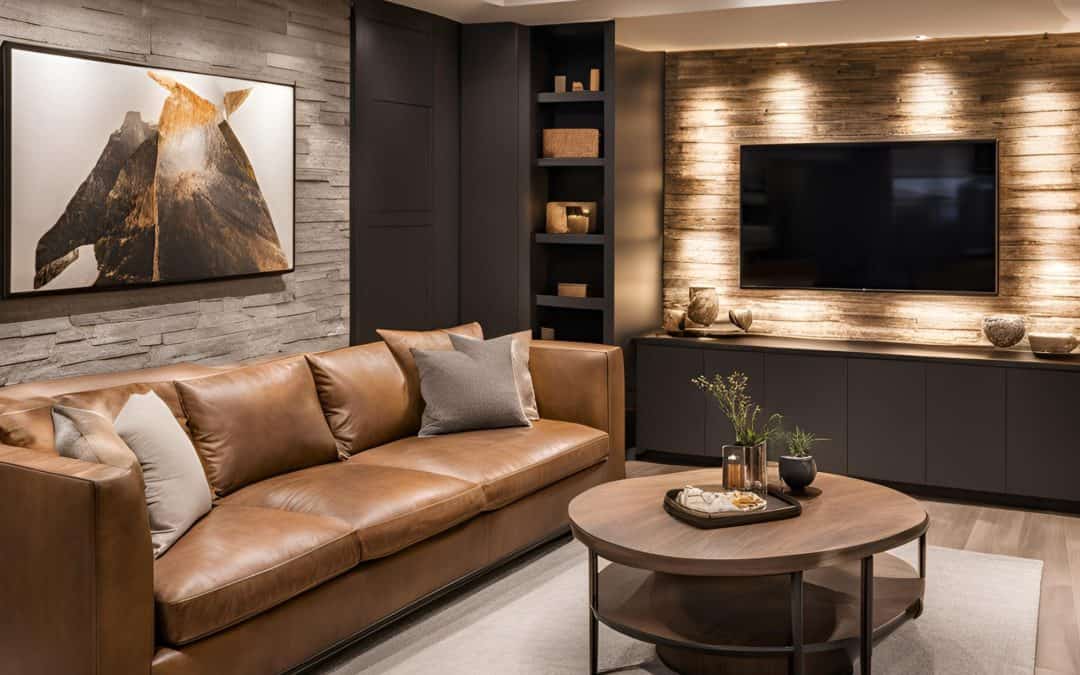
A finished basement can be transformed into a cozy and inviting family room where everyone can relax and have fun. To create a space that your family will love, focus on choosing comfortable furniture, adding entertainment features, and personalizing the space with your style.
Furniture Selection
- Choose comfortable and durable furniture that suits your family’s needs and lifestyle.
- Consider sectional sofas, recliners, and multi-functional pieces like ottomans with storage to maximize seating and storage space.
Entertainment Features
- Incorporate entertainment features such as a large-screen TV, sound system, and gaming console to create a designated area for movie nights, gaming sessions, and family activities.
Personalizing the Space
- Add personal touches with artwork, rugs, and decorative pillows to make the space feel like yours.
- Include storage solutions like shelves and cabinets to keep the area organized and clutter-free.
Quick tip: Use area rugs to define different zones within your family room and add warmth and style.
Creating a Modern Bedroom in Your Basement
Transform your basement into a cozy and stylish bedroom perfect for guests or family members. Focus on design elements that enhance the space and create a restful atmosphere to transform your basement into a welcoming retreat.
Choosing a Color Palette
- Opt for a calming color scheme with neutral tones and soft hues. Light colors can make the space feel larger and more inviting.
Incorporating Modern Furniture
- Select modern furniture with clean lines and minimalistic designs.
- Include a comfortable bed, nightstands, and a wardrobe or dresser for storage.
Adding Decorative Touches
- Enhance the bedroom with decorative elements like wall art, mirrors, and plants.
- Use soft lighting and cozy textiles to create a relaxing ambiance.
Did you know? Installing egress windows in basement bedrooms provides natural light and ensures safety during emergencies.
Setting Up a Productive Home Office
A finished basement can provide a quiet and dedicated space for a home office. To design a workspace that boosts productivity and creativity, focus on choosing the right furniture, organizing your space, and enhancing the lighting and ambiance.
Selecting Ergonomic Furniture
- Invest in an ergonomic desk and chair to ensure comfort during long work hours.
- Consider adjustable furniture to accommodate different working positions and prevent strain.
Organizing Your Workspace
- Keep your home office organized with storage solutions like shelves, filing cabinets, and desk organizers.
- A clutter-free workspace can enhance focus and efficiency.
Optimizing Lighting and Ambiance
- Ensure adequate lighting with a combination of task lighting and ambient lighting.
- Natural light is ideal, but if it’s limited, use bright and energy-efficient bulbs.
Quick tip: Personalize your home office with artwork, plants, and motivational quotes to create an inspiring environment.
Adding a Bathroom to Your Basement
Including a bathroom in your basement increases convenience and adds value to your home. Plan the layout and plumbing carefully to ensure a functional and stylish space.
Planning the Layout
Determine the best location for your basement bathroom, ideally near existing plumbing lines. Plan the layout to include essential fixtures like a toilet, sink, shower, or bathtub.
Selecting Fixtures and Finishes
Choose fixtures and finishes that match your style and budget. For smaller bathrooms, consider space-saving options like corner sinks and wall-mounted toilets.
Ensuring Proper Ventilation
Proper ventilation is crucial in basement bathrooms to prevent moisture buildup and odors. Install an exhaust fan and consider adding a window for natural ventilation.
Did you know? Upgrading to low-flow fixtures can save water and reduce utility bills.
Safety and Building Codes
Adhering to safety and building codes is essential for a successful basement remodel. Ensure your project complies with local regulations to avoid legal issues and ensure safety.
Obtaining Permits
Depending on the scope of your remodel, you may need permits for electrical, plumbing, and structural work. Check with your local building authority to determine the necessary permits.
Meeting Egress Requirements
Basement bedrooms must have egress windows or doors for emergency exits. Ensure your remodel meets these requirements to provide a safe living space.
Inspecting for Radon
Radon is a harmful gas that can accumulate in basements. To ensure a safe environment, test for radon and install a mitigation system if necessary.
Frequently Asked Questions (FAQ)
Do I need special plumbing for a basement bathroom?
Yes, basement bathrooms often require special plumbing considerations, particularly if they are located below the main sewer line. To ensure proper waste removal, you may need an up-flush toilet system or a sewage ejector pump.
How long does a basement remodel typically take?
The duration of a basement remodel depends on the project’s scope and complexity. A simple remodel can take a few weeks, while a more extensive project can extend to several months. Always plan for potential delays and schedule accordingly.
Can I install a shower in my basement bathroom?
Yes, you can install a shower in your basement bathroom. Ensure proper drainage and waterproofing to prevent moisture damage when planning the layout. Consider space-saving shower options like corner showers to maximize the bathroom’s layout.
What types of flooring are best for basement bathrooms?
Water-resistant flooring options are ideal for basement bathrooms. Consider materials such as tile, vinyl, or sealed concrete, which can withstand moisture and are easy to clean.
How do I ensure proper lighting in a basement bathroom?
Effective lighting is essential in a basement bathroom. To create a well-lit space, use a combination of overhead lights, task lights around mirrors, and ambient lighting. Opt for LED bulbs to reduce energy consumption.
Is it necessary to insulate basement walls during a remodel?
Insulating basement walls improves energy efficiency and ensures a comfortable living space. Moisture-resistant insulation materials prevent mold and mildew growth.
Bringing It All Together
By following the steps outlined in this guide, you can successfully transform your basement into a functional and inviting living space. From waterproofing and insulation to design and safety considerations, careful planning and attention to detail will ensure a successful remodel. A finished basement can enhance your home’s value, provide additional living space, and create a versatile area for your family to enjoy.