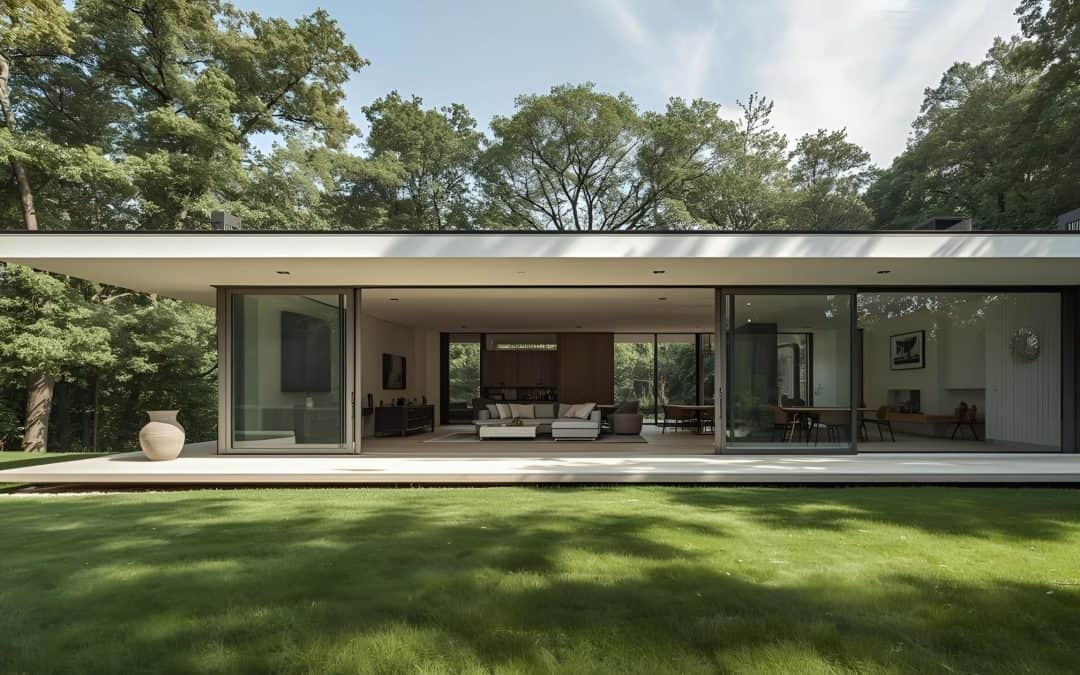
Design build Westport CT homeowners trust combines architecture, engineering, and construction into one streamlined process that eliminates communication gaps between separate contractors and designers. This integrated approach saves time, reduces costly mistakes, and gives homeowners a single point of contact from initial concept through project completion. Rather than juggling multiple contracts and coordinating between architects who have never met your builder, you work with one accountable team that shares responsibility for bringing your vision to life.
Westport residents value quality craftsmanship and timeless design, and the town’s mix of historic colonial homes, waterfront estates, and modern architecture demands builders who understand local character. Whether you’re renovating a historic Greens Farms farmhouse or planning new construction near Compo Beach that captures Long Island Sound views, the right team transforms your dream home into reality.
What Makes Design Build Different in Westport?
Understanding Local Requirements
Design build projects in Westport require teams who understand both Connecticut State Building Code and the layers of local regulations that make this town unique. The Historic Overlay District protects treasured neighborhood character, while the Village District Overlay Zone maintains downtown’s walkable charm. Aquifer Protection requirements safeguard drinking water, creating complexity that demands experienced local knowledge rather than teams learning on the fly with your project.
Coastal Construction Considerations
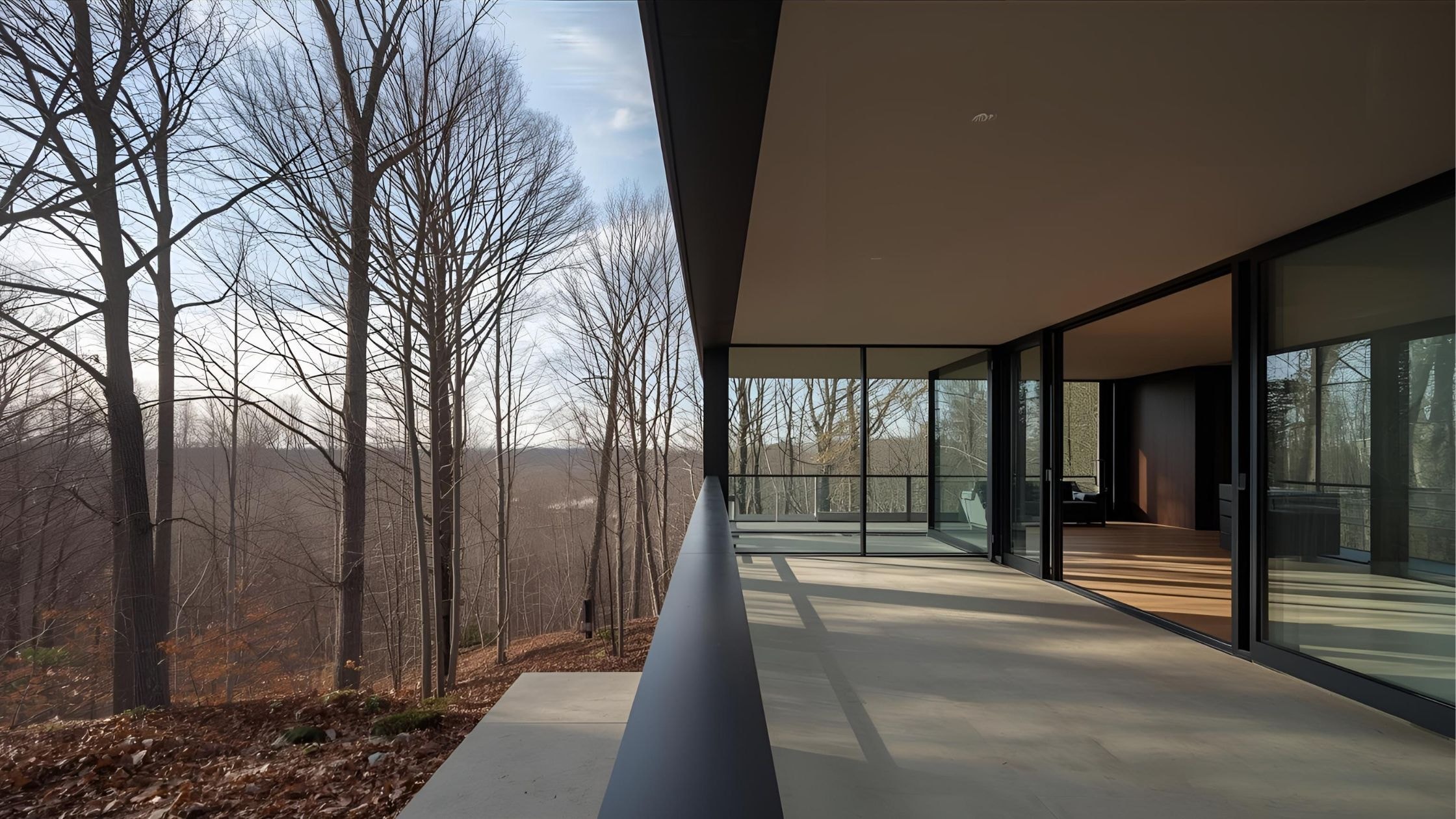
The coastal proximity influences every material selection and construction technique in ways that inland builders often miss. Homes near Long Island Sound face constant salt air exposure that can corrode fasteners and deteriorate siding if you don’t choose weather-resistant materials and implement proper ventilation strategies. Value engineering helps balance durability needs against budget constraints without compromising the longevity your investment deserves.
Quick tip: Schedule your initial permit review meeting with the Westport Building Department early in the design phase to identify potential code issues before finalizing plans, saving weeks of redesign work later.
Why Choose Design Build for Your Dream Home?

Single Point of Accountability
Your dream home starts with clear communication and unified accountability, which becomes nearly impossible when traditional projects split responsibility between architects who design in isolation and general contractors who bid on completed plans they had no input on. Design build unifies all these roles under one contract, which means when inevitable issues arise during construction, your team resolves them internally through collaborative problem-solving rather than through finger-pointing and delays.
Better Budget Control
Budget certainty improves dramatically when builders contribute their construction knowledge during the design phase rather than seeing plans for the first time at bid day. Early cost projections become far more accurate because the people who will actually build your house are involved in design decisions, helping identify where premium investments make sense and where standard solutions work fine. Research shows that design build projects typically cost 6% less than traditional methods while reducing construction time by approximately 12%.
Faster Project Timelines
Timeline predictability matters tremendously in Fairfield County markets where carrying costs add up quickly and good contractors book months in advance. Design build teams can overlap design and permitting phases strategically, which means construction starts sooner instead of waiting for every last drawing to be perfect. Material ordering happens earlier when lead times are manageable, reducing delays from supply chain issues.
For comprehensive information about this approach, explore The Ultimate Guide to Design-Build.
What Should Custom Homes in Westport Include?

Neighborhood-Specific Features
Custom homes need to reflect owner priorities while respecting the neighborhood character that makes each section of Westport distinct. Saugatuck residents often prioritize water views and outdoor living spaces that take advantage of the spectacular riverside setting, with generous decks that extend living areas toward the sound. Coleytown families typically focus on room for growing children and dedicated home offices, with mudrooms large enough to handle New England’s seasonal gear. Old Hill homeowners carefully balance proximity to downtown conveniences with private, wooded grounds that give the neighborhood its secluded feel.
Energy Efficiency from the Ground Up
Modern custom homes incorporate energy efficiency as foundational elements rather than afterthoughts:
- High-performance windows that reduce heat loss without sacrificing natural light
- Proper insulation in walls, roofs, and foundations for year-round comfort
- Efficient HVAC systems sized correctly for the actual building envelope
- Smart home technology for automated climate and lighting control
- Sustainable materials that qualify for Westport’s Green Building Award
Essential Spaces: Bathrooms and Kitchens
Bathrooms and kitchens require exceptionally careful planning because these spaces get used multiple times every day where poor design creates ongoing frustration. Quality fixtures represent worthwhile investments when you consider how often they get used, and proper ventilation prevents moisture problems that can destroy even beautiful finishes. Most houses over 3,000 square feet should include three or more bathrooms to prevent morning bottlenecks and accommodate guests comfortably.
Did you know? Westport’s online permit portal at westportct.gov allows you to track inspection results and permit status in real time, giving you direct visibility into project milestones without calling the Building Department.
How Do You Navigate Fairfield County Building Regulations?

Licensed Design Professionals
Fairfield County towns each maintain their own unique requirements that can surprise builders who assume Connecticut has uniform statewide standards. Westport requires licensed design professionals—registered architects or professional engineers—for most residential projects beyond basic repairs, and these professionals stamp plans while taking personal professional responsibility for code compliance.
Historic District Considerations
Historic District properties face additional review layers that owners must navigate carefully to avoid expensive redesigns. The Historic District Commission evaluates exterior changes for appropriateness based on detailed design guidelines that preserve neighborhood character, looking at everything from window proportions to roofing materials to paint colors. Village District Overlay areas downtown require Joint Committee approval for certain modifications that affect the streetscape.
Did you know? Westport actively encourages deconstruction rather than traditional demolition when replacing older structures, allowing building components to be carefully disassembled and recycled rather than dumped in landfills, reducing waste while sometimes salvaging valuable materials like old-growth timber.
The Design Build Process in Fairfield County
Discovery Phase
The journey begins with thorough site evaluation that assesses topography, soil conditions, drainage patterns, and existing utilities. Your team discusses your vision in detail and establishes realistic budgets based on current construction costs in Fairfield County. This phase includes zoning verification to confirm what’s actually possible on your lot and preliminary design concepts that start translating your ideas into visual form.
Design Development
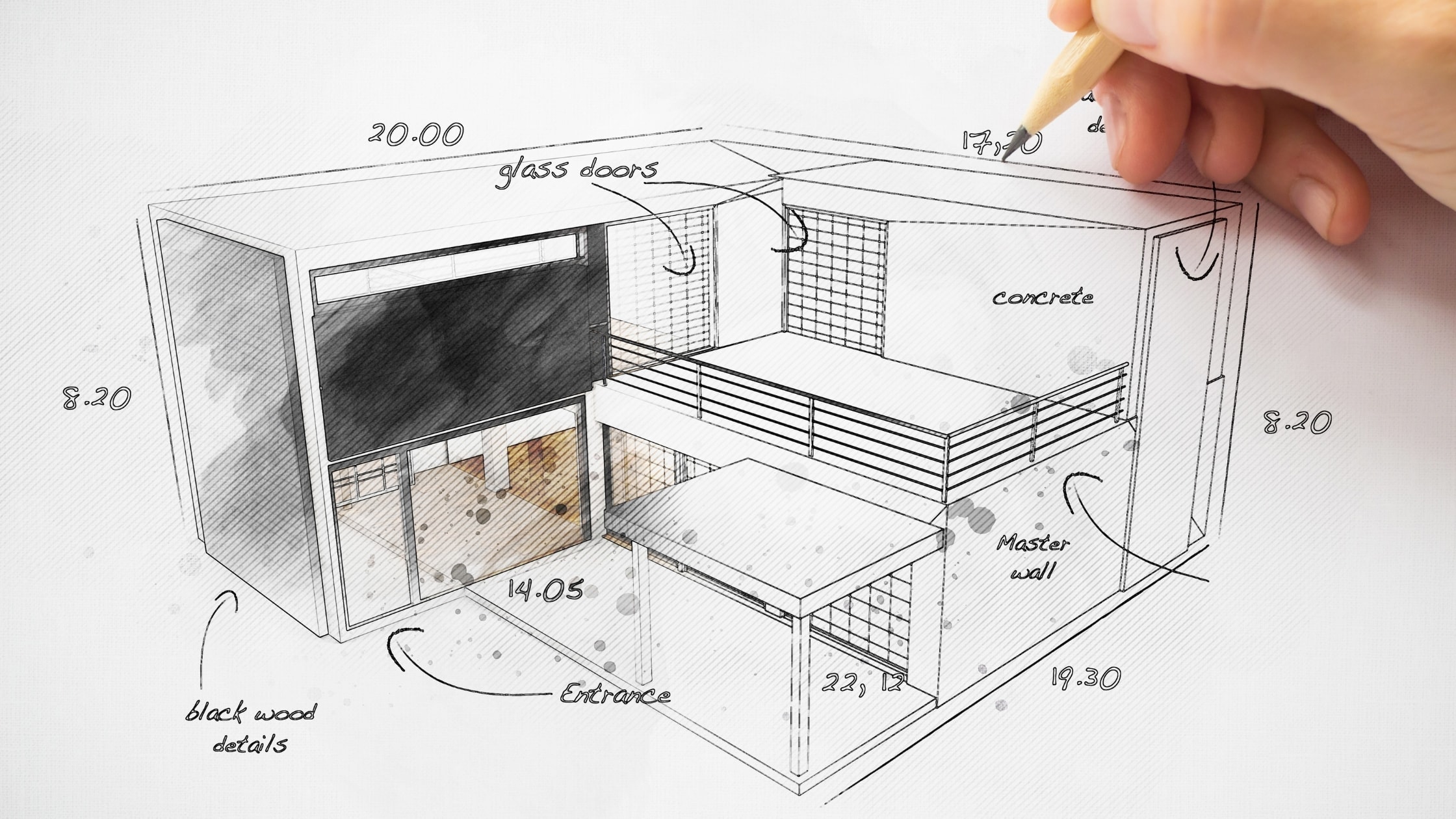
Architects and designers create increasingly detailed plans while engineers simultaneously address structural requirements, mechanical systems, and electrical layouts. Cost estimates evolve and become more precise as designs progress from sketches to construction documents, and regular meetings keep you informed and actively involved in decisions that will shape your home for decades.
Construction Execution
Construction starts once permits clear the town review process, and your integrated team manages subcontractors, coordinates inspections, and handles the complex choreography of material deliveries. Weekly progress updates maintain transparency about what’s happening on site, and quality control happens continuously throughout construction rather than only at completion.
For room-specific renovation guidance, reference Transform Your Home: A Room-by-Room Home Renovation Guide.
Popular Neighborhoods for Design Build Projects

Greens Farms
Greens Farms attracts buyers seeking authentic colonial architecture on spacious lots that have become rare closer to the coast. The neighborhood’s character comes from its agricultural past when John Green’s farm gave this section its name. Many properties here undergo thoughtful renovations that preserve historic character while completely updating mechanical systems, insulation, and kitchens to meet modern standards.
Compo Beach and Compo Commons
Compo Beach and Compo Commons command premium prices that reflect their position among Westport’s most desirable locations. Waterfront properties require specialized construction knowledge including salt-resistant materials, proper drainage systems, and building techniques that address unique coastal stresses. Beach access and Longshore Club’s town-owned amenities enhance lifestyle appeal.
Saugatuck
Saugatuck neighborhoods near the train station balance downtown walkability with residential quiet that attracts young professionals and families. The area’s dining scene has exploded with restaurants like The Whelk and Kawa Ni, while Peter’s Bridge Market remains the charming local landmark it’s been for generations.
In-Town Living
In-Town properties offer ultimate convenience for residents who prioritize culture and community connections. Walking distance to Main Street’s shops, the recently reimagined Westport Library, and the Levitt Pavilion for the Performing Arts that hosts 50 free concerts every summer—these locations suit people whose lifestyle centers on engagement rather than retreat.
When Should You Start Planning Your Project?
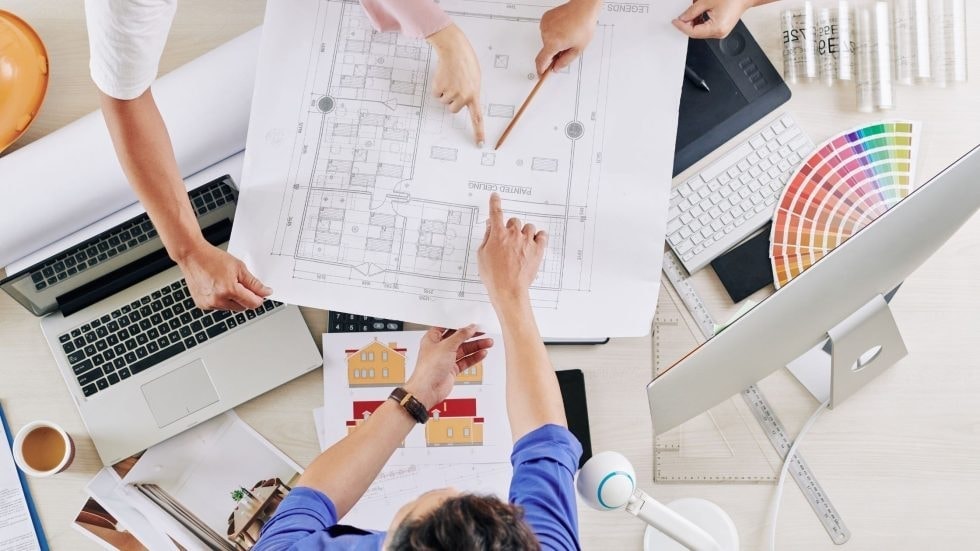
Timeline Planning
Start planning nine to twelve months before you want construction to begin, which accommodates realistic timelines for design development, town permit approval, and material lead times that have stretched considerably in recent years. Popular builders and architects in Fairfield County often book their schedules months ahead for spring construction starts.
Permit Processing
Permit processing takes four to eight weeks depending on project complexity and how complete your submissions are. Historic District approvals add time because the commission only meets monthly and often requests revisions. Scheduling Building Department pre-application meetings early helps address questions before formal submission.
Construction Duration
Construction duration varies based on project scope. Room additions typically take three to six months from groundbreaking to completion, while whole-house renovations require six to twelve months. New construction projects span twelve to eighteen months from first excavation to final certificate of occupancy.
Quick tip: Visit properties actively under construction by teams you’re considering hiring to observe their job site management practices, attention to detail, and subcontractor quality—you’ll learn far more from a construction site visit than from finished projects where critical work is hidden.
If you’re weighing expansion options, read Room Additions vs. Second-Story Additions: Which is Right for You? to understand the tradeoffs.
How to Choose the Right Design Build Team

Research and Credentials
Research begins with referrals from neighbors and online reviews from Westport residents who share their experiences. Local real estate agents know reputable builders, and the Building Department can confirm licensing and insurance. Review completed projects similar to yours in size and style, and ask homeowners about their experience.
Interview Multiple Teams
Interview at least three teams to discuss your vision, budget, and timeline. Assess communication style and professionalism during initial meetings, and request detailed proposals outlining scope, schedule, and costs. Verify that contractors hold active Connecticut licenses and proper insurance coverage.
Key Team Members
Success depends on having the right professionals involved:
- Architects lead design vision while ensuring code compliance and structural integrity
- Engineers calculate loads, specify systems, and ensure reliable performance
- Builders translate plans into reality through construction expertise and field problem-solving
- Project Managers coordinate schedules, answer questions, and maintain communication
- Designers refine details through fixture selection, finishes, and color coordination
Frequently Asked Questions About Design Build in Westport, CT
What is design build and how does it differ from traditional construction?
Design build integrates architecture, engineering, and construction under one contract, giving homeowners a single point of contact throughout the entire project. Traditional methods separate design and construction, requiring you to coordinate between architects and general contractors who may have conflicting priorities. This single-source responsibility reduces miscommunication, shortens timelines by up to 30%, and clarifies accountability when issues arise.
How long does a design build project typically take in Westport?
Timeline depends on project scope and complexity. Room additions take three to six months from design to completion, while whole-house renovations require six to twelve months. New custom homes span twelve to eighteen months from initial design through final occupancy. Add three to four months for design and permitting before construction begins, and Historic District properties may need additional approval time.
Do I need special permits for construction in Westport’s historic areas?
Yes, properties within the Historic Overlay District require Certificates of Appropriateness from the Historic District Commission. This review covers exterior changes including siding, windows, roofing, and additions based on detailed design guidelines. The Westport Planning and Zoning Department provides specific boundary maps and application requirements. Interior modifications generally don’t require HDC approval.
What are the advantages of working with a local Westport builder?
Local builders understand Connecticut State Building Code and Westport’s specific requirements, maintaining relationships with town officials that expedite permit approvals and inspections. They know which materials withstand coastal conditions and can recommend reliable subcontractors. They also respond quickly to job site questions and understand neighborhood dynamics that affect project logistics.
Can I make changes during construction?
Changes are possible but affect budgets and schedules. Minor modifications happen easily early in construction, while significant changes after permits are approved may require amended applications and additional fees. Change orders document revised scope and associated costs. Good teams explain implications before proceeding with modifications to help you make informed decisions.
How much does a custom home cost in Fairfield County?
Custom home costs vary based on size, location, finishes, and complexity. Fairfield County commands premium prices due to its desirable location and high-quality expectations. Waterfront properties cost more than inland locations due to specialized construction requirements. Design build teams provide detailed estimates during the design phase based on your specific project requirements, with value engineering helping identify where to invest and where to save.
What should I look for when choosing a design build team?
Verify Connecticut licensing and insurance status with the state Department of Consumer Protection. Review completed projects similar to yours and check references from recent clients. Assess communication skills and professionalism during interviews, and request detailed proposals outlining scope, timeline, and costs. Confirm they understand Westport’s permitting requirements and have successful service area project history with the Building Department, demonstrated through on-time completions and inspection approvals.
Your Dream Home Starts with a Design Build Westport, CT
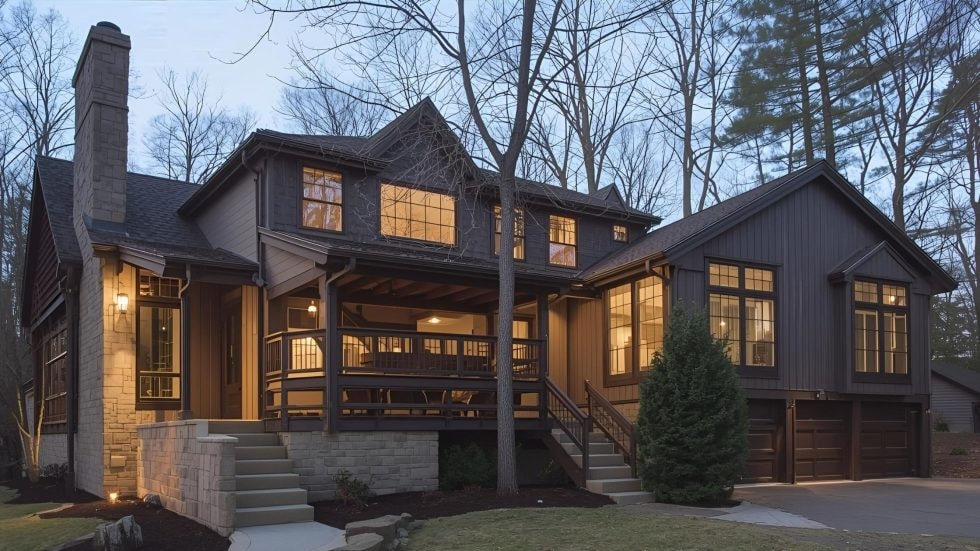
Creating your dream home in Westport requires more than just construction expertise—it demands an understanding of this unique coastal community’s character, regulations, and lifestyle. The design build approach brings together all the professionals you need under one unified vision, eliminating the stress of coordinating multiple contracts while giving you greater control over budget and timeline.
Whether you’re drawn to the historic charm of Greens Farms, the waterfront lifestyle of Compo Beach, or the vibrant walkability of In-Town neighborhoods, the right design build team transforms your vision into a home that serves your family beautifully for generations. Take time to find partners who listen to your needs, respect your budget, and bring proven experience navigating Westport’s unique requirements—because the foundation of every successful project starts with choosing the right team to bring your dream home to life.