
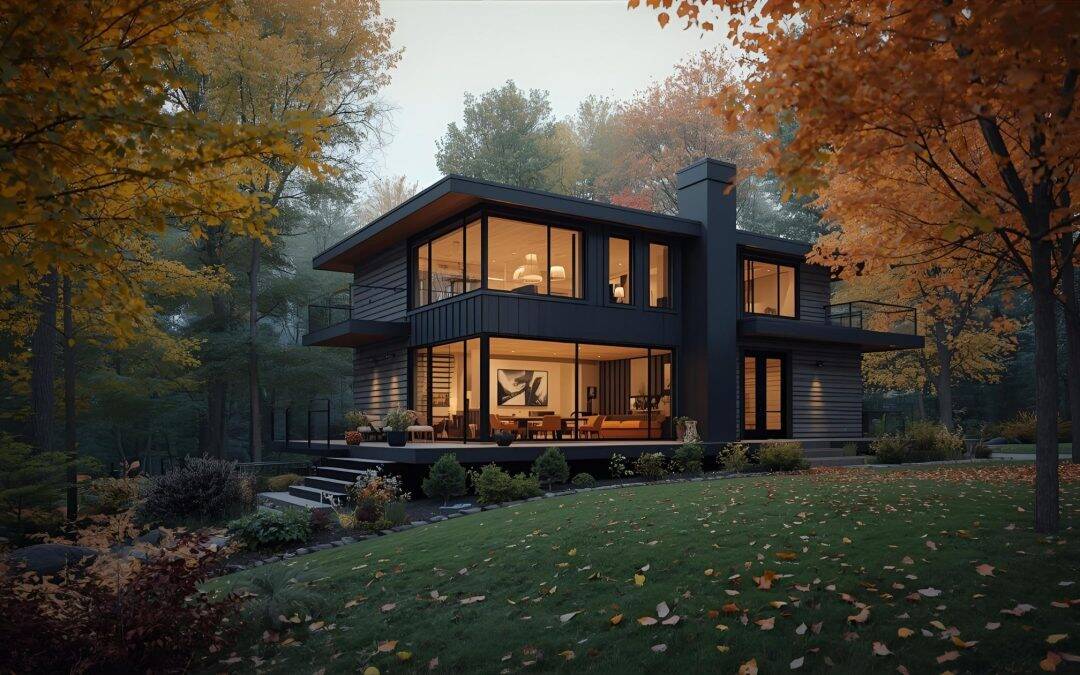
Renovating or expanding a home in Easton requires more than developing an attractive floor plan. The existing house, property layout, septic and well systems, wetlands, drainage, zoning requirements, and other site conditions can all influence what makes sense to build.
That is especially important in a community where residential properties often include more land, wooded areas, varied terrain, and private utility systems. A backyard may appear to provide plenty of room for an addition, but setbacks, septic areas, wetlands, grading, drainage, or other conditions can affect where new construction can reasonably go.
A design-build approach allows those considerations to become part of the project while the design is still developing. Instead of completing plans first and addressing construction feasibility afterward, homeowners can evaluate layout, structure, site conditions, budget, and construction requirements together.
For Easton homeowners considering a kitchen remodel, home addition, primary suite, finished lower level, or larger residential renovation, that early planning can help create a project that works with both the existing home and the property.
Why Design Build Works in Easton CT
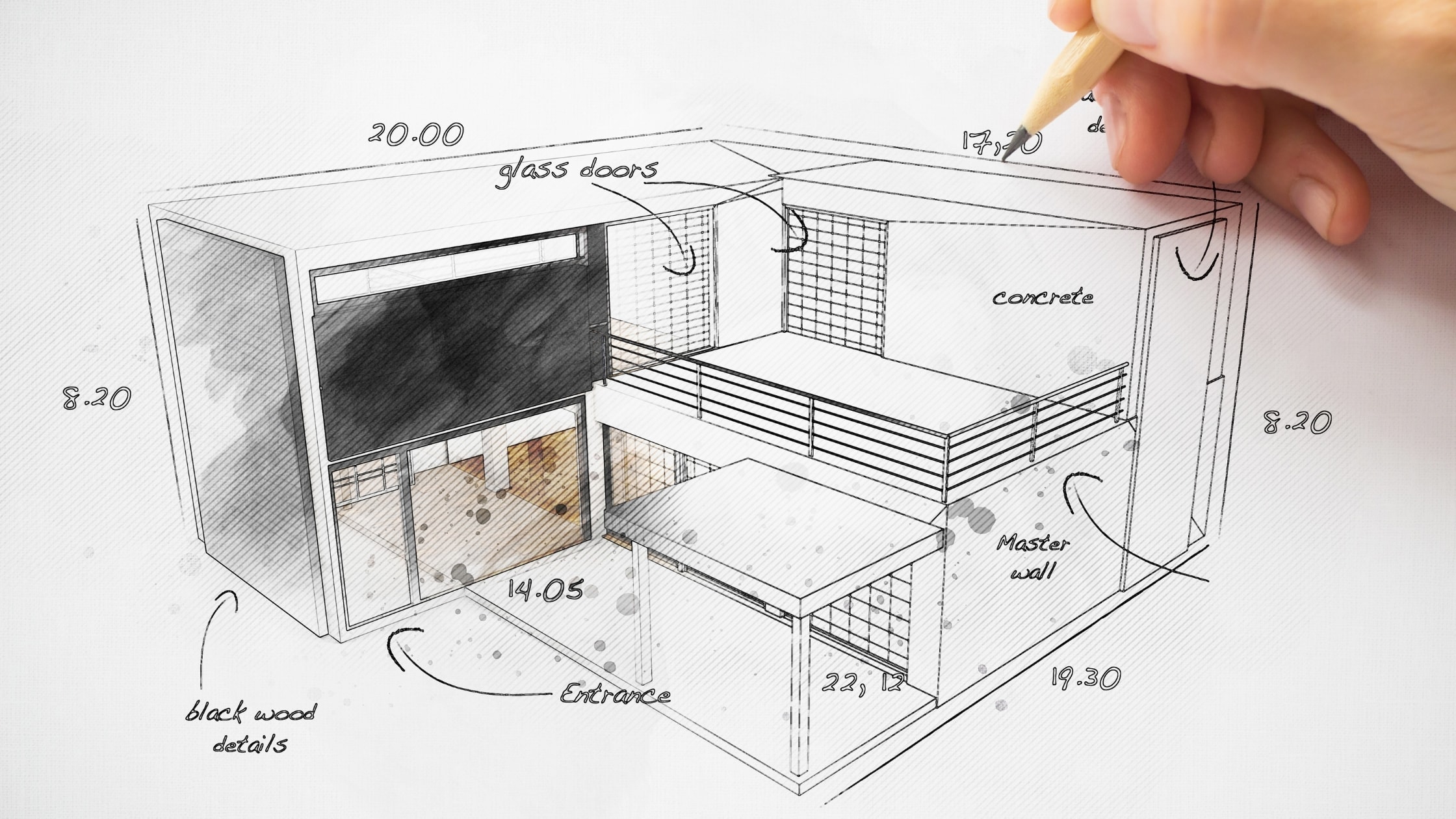
Design-build connects planning, design, and construction through one coordinated process.
With a traditional design-bid-build approach, homeowners may develop plans with one professional and involve the construction team only after those plans are largely complete. Design-build introduces construction considerations earlier so they can influence the developing design.
That can be particularly valuable in Easton.
A proposed home addition may need to account for:
- Property setbacks
- Existing septic systems
- Septic reserve areas
- Private wells
- Wetlands and watercourses
- Grading
- Drainage
- Existing utilities
- Driveway access
- Roof connections
- Foundation conditions
- Construction access
Easton’s current zoning permit materials can require items such as a site plan or survey, applicable Aspetuck Health District approval, drainage information when required, and a wetland determination. This makes it useful to understand property conditions before committing to the location or size of an addition.
The town’s Planning and Zoning Commission administers Easton’s zoning and subdivision regulations and reviews applicable land-use applications.
That does not mean every remodeling project requires the same approvals. An interior renovation can follow a much different path from an addition that changes the footprint of the house.
The value of early planning is identifying what applies to the specific property before the design becomes difficult to change.
The Design Build Advantage

One of the practical advantages of design-build is that decisions are evaluated from both a design and construction perspective.
A floor plan may look appealing while creating unnecessary structural, mechanical, or site complications. Bringing construction experience into the design phase helps identify those tradeoffs earlier.
For example, two addition layouts may create almost the same amount of living space, but one could require considerably more excavation, foundation work, roof modification, or utility relocation.
Likewise, opening a kitchen into an adjoining family room may affect more than the wall itself. The project could also involve structural support, electrical circuits, HVAC, lighting, flooring transitions, ceilings, cabinetry, and plumbing.
Design-build gives homeowners an opportunity to compare those options before the project is fully developed.
Budget conversations can happen during this stage as well.
Instead of treating cost as something that appears only after the plans are complete, major design decisions can be considered alongside their construction implications.
This does not mean every cost can be predicted in advance. Existing homes sometimes reveal concealed framing, plumbing, electrical work, moisture damage, or previous renovations only after demolition begins.
The goal is to reduce avoidable uncertainty by addressing known conditions while the design is still flexible.
For a broader explanation of how the overall project-delivery method works, read The Ultimate Guide to Design-Build.
What Easton Homeowners Are Creating

The right renovation depends on what the existing home is missing.
For some Easton homeowners, that means creating more room without leaving a property they already enjoy. For others, the priority is reorganizing an older floor plan so the house better reflects how the household lives today.
Common projects can include:
- Kitchen expansions
- Family room additions
- Primary suites
- Additional bedrooms
- Home offices
- Mudrooms
- Guest or in-law space
- Finished lower levels
- Garage additions
- Larger interior reconfigurations
A home addition should begin with the problem it needs to solve rather than simply deciding how much square footage to add.
If the kitchen feels isolated, a combination of interior changes and a modest expansion may provide better results than a large standalone room. If another bedroom is needed, homeowners may want to compare building outward with reconfiguring existing areas or adding space vertically where feasible.
Easton’s residential setting also makes the relationship between the house and property important.
A family room addition may create an opportunity for better backyard access. A primary suite might be positioned for privacy or views. A kitchen expansion could improve the transition to a patio or outdoor dining area.
Those opportunities need to be balanced with practical site conditions.
For properties served by private septic systems, changes involving bedrooms, plumbing, or the location of new construction may require review through the appropriate health district. Existing septic and well records can therefore be useful early planning documents.
Finished lower levels can create additional usable space without expanding the building footprint, but they require a different type of evaluation.
Before selecting finishes, consider:
- Existing moisture conditions
- Foundation walls
- Ceiling heights
- Stairs
- Mechanical equipment
- Plumbing
- Heating and cooling
- Electrical service
- Natural light
- Applicable egress requirements
The best solution depends on both the household’s needs and the conditions already present in the home.
Attention to Detail Makes the Difference
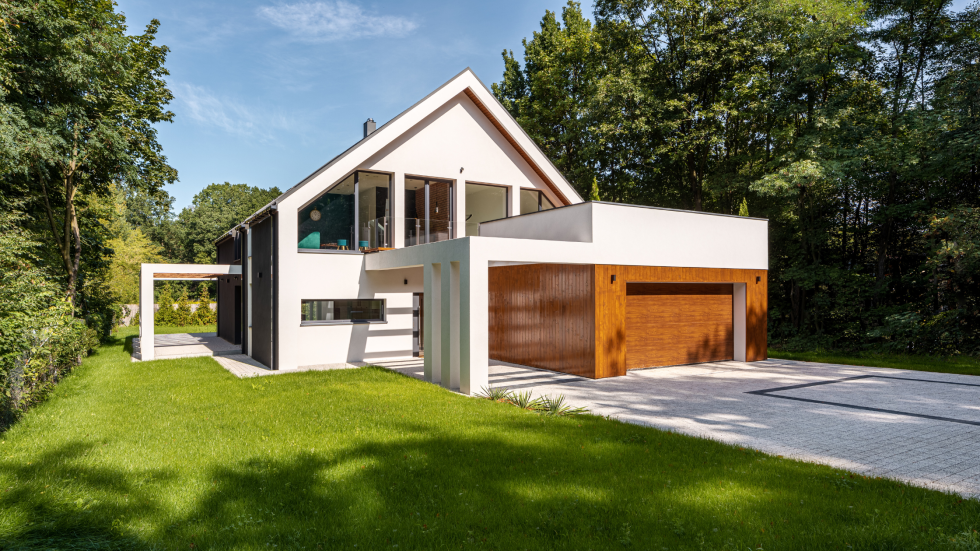
Residential remodeling contains many transitions between new work and existing construction.
Those transitions deserve as much attention as the most visible finishes.
For an addition, exterior details may include:
- Roof connections
- Flashing
- Siding
- Trim
- Windows
- Foundation elevations
- Gutters and drainage
Inside, the team may need to coordinate:
- Flooring transitions
- Ceiling heights
- Trim profiles
- Door openings
- Lighting
- Cabinetry
- Mechanical systems
- Wall finishes
When these details are considered late, the addition can feel visibly separate from the original home even when expensive finishes are used.
Planning them early helps the new construction feel more intentional.
Water management is another area where details matter.
Easton’s wooded and sometimes sloping properties can make grading and drainage especially important around exterior construction. An addition changes the footprint of the house and may alter how roof runoff and surface water move across the property.
Gutters, downspouts, grading, foundation drainage, and stormwater requirements should therefore be considered as part of the overall project rather than addressed only after construction.
Quality control also extends to work that homeowners will never see once the project is complete.
Framing, waterproofing, insulation, flashing, plumbing, wiring, and mechanical installations may eventually be hidden behind walls and finishes, but they can have a major effect on how the home performs.
A design-build process should include coordination and oversight throughout construction, not simply a review of visible finishes at the end.
What Makes Experienced Designers Essential

Good residential design is not just about making a space look attractive.
The design needs to account for how people move through the home, where furniture will go, how rooms connect, where natural light enters, and what construction is required to make the plan work.
For an Easton renovation, the property itself may also influence design decisions.
An addition may need to respond to setbacks, septic areas, wetland conditions, topography, or an existing driveway. A designer cannot evaluate the new rooms independently from those constraints.
Inside the home, everyday details matter just as much.
Consider questions such as:
- Where will furniture actually go?
- Does opening a wall eliminate useful cabinet or storage space?
- Will an addition block natural light from an existing room?
- How will people move between the kitchen and backyard?
- Is there enough wall space for a television or artwork?
- Does a new primary suite provide adequate privacy?
- Will the remodeled area still work if household needs change?
The most dramatic layout is not automatically the most functional.
Sometimes maintaining a partial wall creates better cabinetry. Sometimes a smaller addition paired with changes to the existing floor plan works better than maximizing square footage.
Design should give homeowners an opportunity to compare those tradeoffs before construction begins.
Choate Builders is not a licensed architectural firm. When a project requires licensed architectural or engineering services, those responsibilities should be identified and coordinated as part of the planning process.
Understanding Timeline Expectations

A renovation timeline begins before construction crews arrive at the house.
Depending on the project, the overall process may include:
- Initial planning
- Existing-condition review
- Property research
- Design development
- Engineering
- Material selections
- Pricing
- Zoning review
- Wetlands determination
- Health-district review
- Building permits
- Material ordering
- Preconstruction
- Construction
- Inspections
- Final completion
This is why universal claims about how many weeks a kitchen, addition, or whole-home remodel will take are rarely useful.
Two additions of similar size can follow very different schedules if one involves straightforward site conditions while another requires additional health, wetlands, drainage, zoning, or engineering review.
Easton’s building-permit materials for additions and renovations identify several potential components of review, including Health Department, Zoning, Conservation, and Building Department requirements depending on the project.
Material selections can influence the timeline as well.
Cabinetry, windows, doors, fixtures, specialty finishes, or other products may have different lead times. Identifying long-lead items before construction can help the team incorporate them into scheduling decisions.
Exterior work is also affected by weather and site conditions.
Excavation, concrete, roofing, siding, grading, and drainage work may be more weather-sensitive than interior construction.
Instead of relying on a generic project duration, homeowners should ask for a timeline that identifies the major phases and explains what needs to happen before each one begins.
For a deeper breakdown of the stages involved, read Understanding Home Addition Timelines.
Sustainability Matters in Easton CT
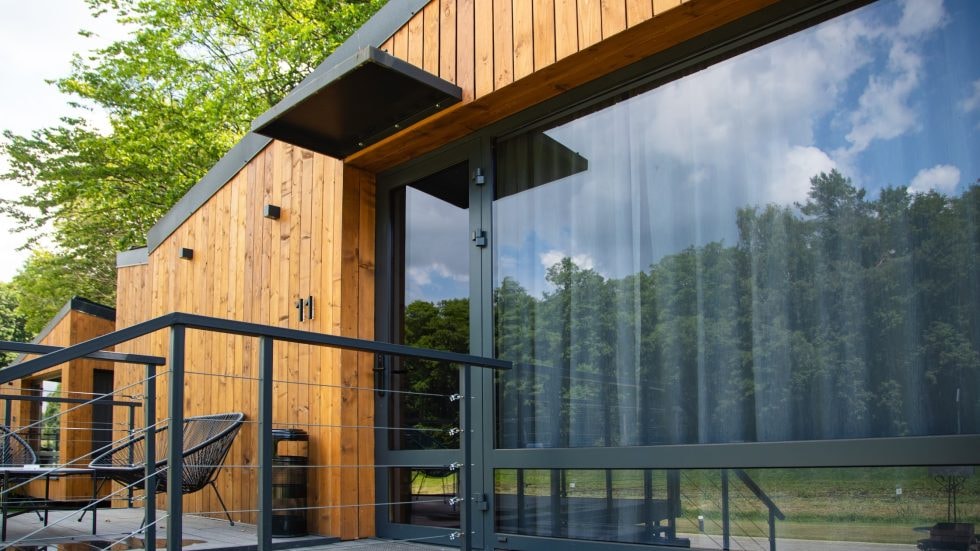
Easton’s natural setting makes sustainability a relevant consideration for many residential projects, but sustainable remodeling does not require adding every available green technology.
Some of the most practical decisions begin with the design itself.
Before building more square footage, consider whether changes to the existing floor plan could reduce the size of the addition required.
A smaller, well-designed expansion may use fewer materials while still solving the homeowner’s space problems.
The building envelope also deserves attention.
For an addition, homeowners may want to consider:
- Insulation
- Air sealing
- Window performance
- Exterior doors
- Roofing
- Moisture management
- Heating and cooling
- Ventilation
Window placement can provide daylight and views, but more glass is not automatically better. Orientation, privacy, glare, furniture placement, heat gain, and heat loss should all be considered.
Durable materials can also be part of sustainable planning.
A material that lasts and performs well in its intended location may be a better long-term choice than something selected primarily because it carries an environmental marketing label.
Existing materials may sometimes be retained or reused as well. Hardwood flooring, doors, trim, framing, or cabinetry components that remain in good condition do not necessarily need to be discarded simply because a renovation is underway.
Water management is another important part of responsible construction in Easton.
An addition can change roof runoff and the amount of impervious area on the property. Grading, gutters, downspouts, drainage, erosion control, and stormwater requirements should therefore be considered while the project is being planned.
Our guide to sustainable home design explores additional ways energy, materials, and construction choices can be evaluated during a residential project.
Building Long Lasting Relationships

A residential construction project can last for months, and the relationship between the homeowner and project team often extends beyond the period when crews are physically working at the house.
That makes communication an important part of the process.
Before construction begins, homeowners should understand:
- Who their primary contact will be
- Who handles design questions
- Who manages the jobsite
- How frequently updates are provided
- How selections are documented
- How changes are approved
- How unexpected conditions are communicated
- What happens if a concern develops after completion
Trust should come from clear expectations rather than promises that nothing will go wrong.
Existing homes can contain unknown conditions. Products can be delayed. Municipal review can take longer than anticipated. Homeowners can decide to change part of the scope.
A good working relationship depends on communicating when those situations arise and explaining what they mean for the project.
Homeowners should also feel comfortable asking questions.
If a design choice has a significant construction consequence, the team should explain it. If pricing changes, the reason should be understandable. If the schedule shifts, the homeowner should know what happened and what comes next.
Documentation matters as well.
Changes involving scope, price, materials, or schedule should be recorded appropriately rather than existing only in a conversation.
That combination of planning, communication, and accountability is more meaningful than simply promising a “stress-free” renovation.
Choosing Your Design Build Easton, CT Partner

Choosing a design-build company involves evaluating more than an initial estimate.
You are selecting a team that may help develop the design, evaluate construction feasibility, coordinate outside professionals, plan the project, and manage the build.
Start by asking about relevant experience.
A contractor who regularly handles cosmetic renovations may not have the same experience as a company managing additions involving foundations, structural framing, roofing, site work, septic considerations, drainage, and multiple municipal approvals.
Useful questions include:
- Have you completed projects similar to mine?
- Who provides the design?
- Who manages construction?
- When is budget discussed?
- How does pricing become more detailed?
- Who coordinates engineering when needed?
- Who handles permits?
- How are material selections tracked?
- How are changes documented?
- How are unexpected conditions handled?
- How frequently will I receive project updates?
- What warranty applies to completed work?
For Connecticut residential remodeling, homeowners should also verify applicable Home Improvement Contractor registration and insurance.
Local knowledge can be helpful, but it should not replace the other factors used to evaluate a contractor.
A company should understand how to identify the Easton departments and outside agencies that may apply to a project, but it should also have a clear process for design, estimating, documentation, construction oversight, and communication.
At Choate Builders, LLC, we work with homeowners throughout Fairfield County on residential remodels and home additions. For Easton projects, we look at the existing house and property together so site conditions, layout, construction requirements, and homeowner priorities can be evaluated before the project reaches the build stage.
The goal is not simply to add square footage or update finishes. It is to develop a project that works with the home you already have, responds to the conditions of your property, and creates space that supports the way you want to live.