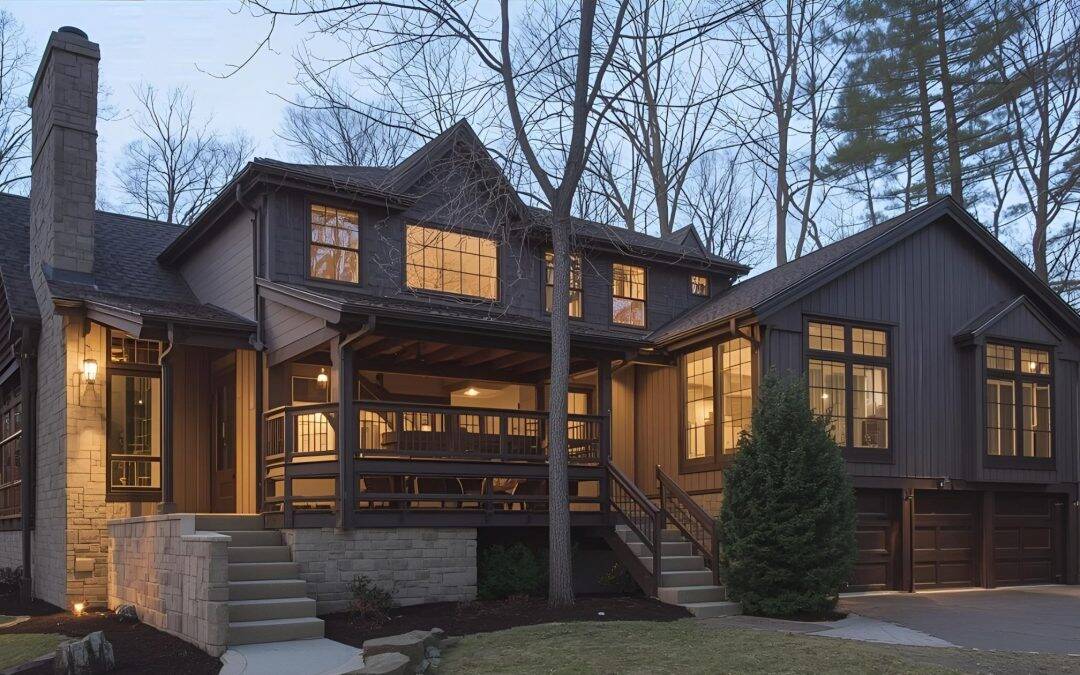
Planning a renovation, addition, or new residential project in Newtown involves more than developing an attractive floor plan. The existing house, property conditions, utilities, zoning, wetlands, drainage, and local approval requirements can all influence what makes sense to build.
Those considerations can vary significantly from one property to another. A relatively level residential lot may present different opportunities than a wooded or sloped property. A home served by a private well and septic system may require different planning from a property with other utility connections. An addition near wetlands or a watercourse may also involve different review than an interior renovation that does not change the home’s footprint.
A design-build approach brings those questions into the project while the design is still developing. Instead of completing plans first and addressing construction feasibility later, homeowners can evaluate layout, structure, property conditions, budget, and construction requirements together.
For Newtown homeowners considering a kitchen remodel, home addition, bathroom renovation, larger interior reconfiguration, or new construction, that early coordination can help turn an initial idea into a more informed plan.
Understanding Design Build Newtown CT Services
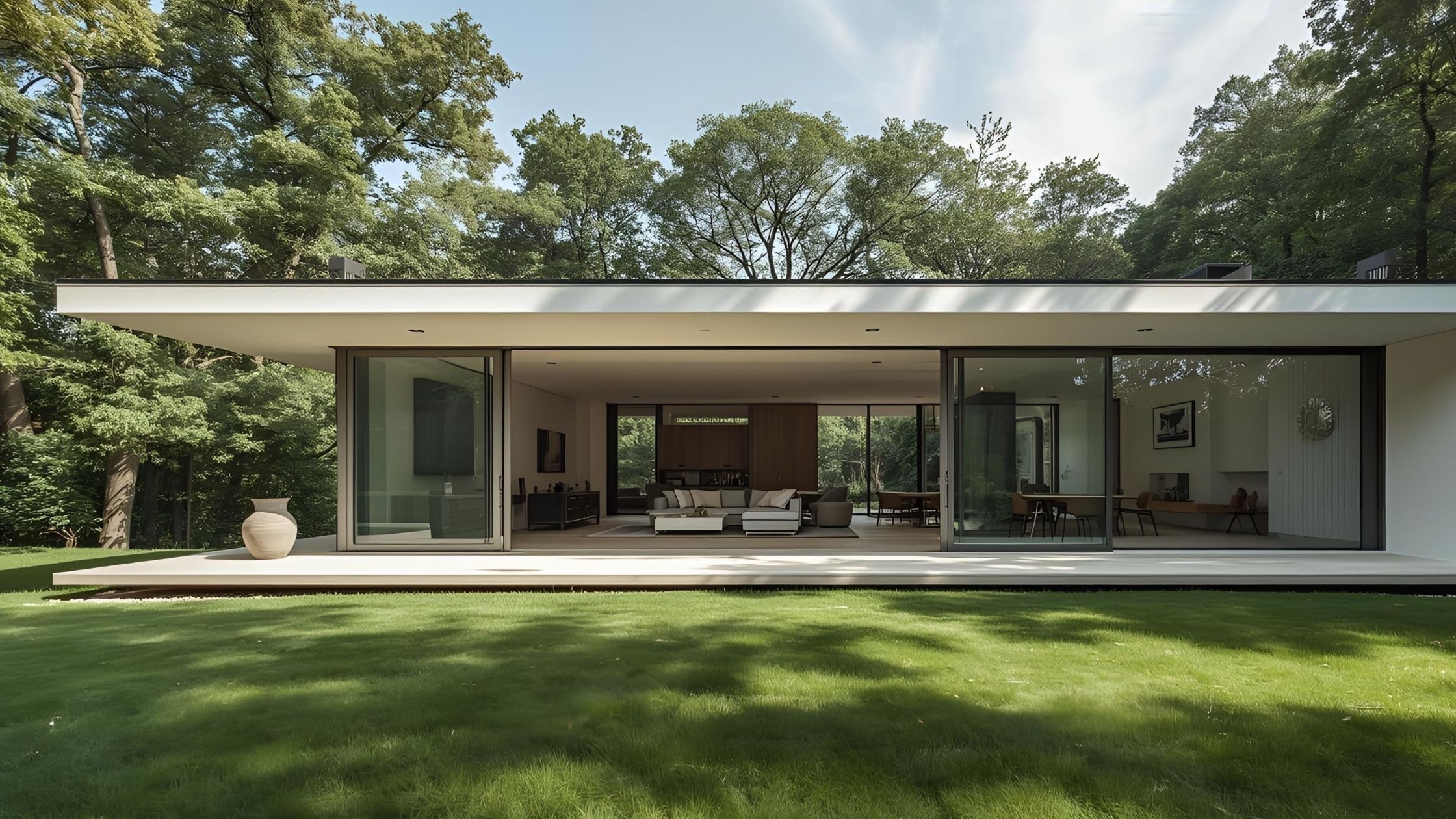
The Integrated Approach to Construction
TDesign-build connects project planning, design, and construction through one coordinated process.
In a traditional design-bid-build arrangement, homeowners may complete plans with a designer or architect before involving the contractor who will actually build the project. With design-build, construction considerations can enter the conversation earlier.
That can be especially useful when working with an existing home.
A proposed kitchen layout may affect plumbing, electrical work, ventilation, flooring, and structural framing. Removing a wall may require more than simply creating a wider opening. A home addition can introduce questions about foundations, roof connections, grading, setbacks, septic or well conditions, drainage, and access for construction.
Considering those factors during design allows the team to compare options before the homeowner becomes committed to one plan.
Design-build does not eliminate every unknown. Existing homes can contain concealed framing, plumbing, wiring, moisture damage, or previous work that cannot be fully evaluated until construction begins. The benefit is that known conditions and construction requirements can help shape the project earlier.
Benefits for Newtown Homeowners
For Newtown homeowners, one of the practical benefits of design-build is the ability to consider the house and property together.
A large yard, for example, does not automatically mean every area is equally suitable for an addition. Property setbacks, wetlands, septic systems, wells, grading, drainage, easements, and other site conditions may influence where new construction can go.
Newtown’s zoning regulations also require applicable approvals to be addressed as part of the permitting process for new construction, additions, and exterior structural changes. Identifying those requirements before finalizing the design can help reduce the likelihood of developing a plan around assumptions that later need to change.
The approach also gives homeowners a way to compare design choices alongside budget considerations.
Two layouts may provide similar function but involve very different construction. One addition location may require more excavation and roof work. One kitchen layout may preserve existing plumbing while another relocates several systems.
Understanding those differences during planning can make the design process more useful.
Project Management and Coordination

Streamlined Communication
Residential remodeling involves many people and decisions.
Depending on the project, the team may include designers, builders, structural engineers, electricians, plumbers, HVAC contractors, tile installers, cabinet suppliers, municipal officials, inspectors, and other specialists.
Homeowners should not have to determine independently how all of those pieces fit together.
A coordinated design-build process establishes who manages the flow of information and how questions are handled.
Before construction begins, homeowners should know:
- Who is their main point of contact
- Who manages design questions
- Who oversees construction
- How selections are documented
- How schedule updates are communicated
- How changes are approved
- How unexpected conditions are handled
- Who communicates with outside professionals when needed
Good communication does not mean every decision happens instantly or that a project never encounters a problem. It means there is a defined process for getting the right information to the right people.
Documentation matters as well.
Changes affecting scope, materials, cost, or scheduling should not exist only in verbal conversations. Drawings, specifications, approvals, and change documentation help keep the project team and homeowner aligned as work progresses.
Quality Control Systems
Quality control should be part of the project throughout construction rather than something reserved for the final walkthrough.
Many of the most important construction details eventually disappear behind finishes.
Framing, plumbing, electrical work, insulation, waterproofing, flashing, air sealing, and other concealed components can influence how the home performs long after construction is complete.
Project oversight may include reviewing work at key stages, coordinating municipal inspections, documenting conditions, and confirming that one phase is ready before the next begins.
For homeowners, useful questions include:
- Who reviews work in progress?
- How are subcontractor questions handled?
- What happens if completed work does not match the plans?
- How are corrections documented?
- What inspections are required before work is covered?
- How are homeowner concerns addressed?
Municipal inspections provide important code review for applicable work, but they do not replace the contractor’s own responsibility for managing the project and checking the work being performed.
Working With Architects and Builders

Collaborative Design Process
Residential design begins with understanding what the homeowner wants the project to accomplish.
That does not necessarily mean starting with a predetermined floor plan.
A homeowner may initially believe they need a large addition when a smaller addition combined with changes to the existing layout could solve the same problem. Another may want a fully open kitchen but discover during planning that retaining part of a wall improves storage, furniture placement, or structural efficiency.
The design process is where those options can be explored.
Depending on the scope, plans may consider:
- Room relationships
- Circulation
- Furniture placement
- Storage
- Natural light
- Structural changes
- Plumbing
- Mechanical systems
- Windows and doors
- Exterior appearance
- Property conditions
- Budget priorities
When an architect, engineer, or other design professional is required, homeowners should understand who provides that service and how it is coordinated.
Choate Builders is not a licensed architectural firm, so where licensed architectural or engineering services are required, those responsibilities should be clearly defined within the project process.
Builder Expertise and Execution
The builder brings practical construction knowledge into the planning conversation.
That includes understanding how materials are installed, how trades need to be sequenced, what structural changes may require, and how existing conditions can affect construction.
For example, a floor plan might show a large opening between a kitchen and family room. The builder may need to evaluate framing, electrical circuits, HVAC runs, ceiling finishes, flooring transitions, and temporary support before that opening can become reality.
The same is true for additions.
Foundation design, excavation, framing, roofing, siding, windows, electrical work, plumbing, heating and cooling, insulation, drywall, and finish work all need to connect with the original home.
Material selection can benefit from construction input as well.
A product may look appropriate but have installation, maintenance, availability, or durability considerations that affect whether it makes sense for the project.
Those conversations are most useful before products are ordered or construction begins.
Custom Homes in Fairfield County
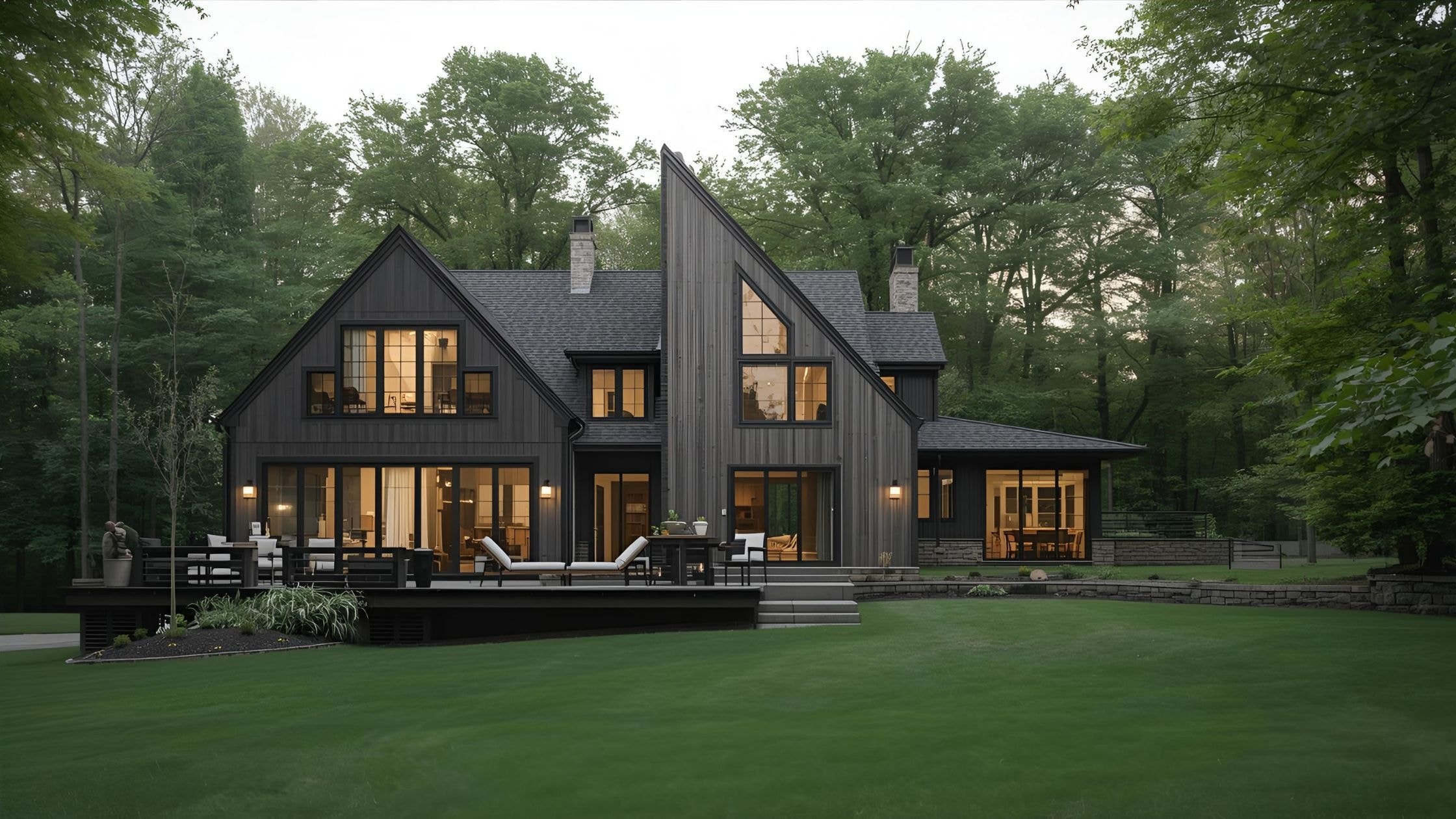
Building Your Dream House
New residential construction offers more flexibility than remodeling an existing structure, but it places greater importance on understanding the property before finalizing the house design.
In Newtown, site conditions can include:
- Property setbacks
- Topography
- Wetlands or watercourses
- Septic and well requirements
- Drainage
- Driveway access
- Utilities
- Flood-related considerations
- Existing trees and vegetation
- Construction access
Newtown’s Land Use Agency administers and enforces zoning, inland wetland and watercourse, aquifer protection, open-space, and related land-use regulations. It also reviews residential development applications and zoning permits.
That makes early property review important.
Before deciding exactly where a house or substantial addition should sit, homeowners should understand the conditions that could influence building placement.
The same principle applies to grading and drainage. A design that fits on a survey still needs to respond to how water moves across the site and how the finished building relates to the surrounding grade.
Design Considerations
The best residential design responds to the way the household lives rather than simply fitting a collection of rooms inside a footprint.
Start by thinking about relationships between spaces.
Where should the everyday entrance be? How should the kitchen connect to the family room? Does a home office need privacy from the main living area? Should the primary suite be separated from other bedrooms? How will outdoor spaces connect to the interior?
Natural light should also be planned rather than treated as a side effect of window quantity.
Window placement affects:
- Daylight
- Privacy
- Views
- Furniture
- Heat gain
- Heat loss
- Glare
- Exterior appearance
Connecticut’s climate also makes the building envelope important. Insulation, air sealing, moisture management, windows, doors, roofing, and exterior details need to work together.
Those systems are easier to address during design than after walls and finishes are complete.
Popular Renovation Projects in Newtown CT

Kitchen Remodeling
Kitchen remodeling often begins because the existing room no longer supports the way the household uses it.
Problems may include:
- Limited storage
- Poor traffic flow
- Insufficient counter space
- Inadequate lighting
- Outdated electrical service
- Poor connection to adjoining rooms
- Difficult appliance placement
- Lack of seating
Before selecting cabinetry or countertops, determine whether the layout itself needs to change.
Opening a kitchen to a family or dining room may improve circulation, but wall removal can involve structural framing, electrical wiring, HVAC, ceiling repairs, and flooring transitions.
Moving appliances or plumbing can affect cost and construction complexity as well.
A design-build process allows the visual layout and technical requirements to be evaluated together.
Older homes can also reveal unexpected conditions after demolition. Previous renovations, wiring, plumbing, framing, or moisture issues may require attention before the new kitchen is installed.
The goal is not to assume something will go wrong. It is to have a defined process for evaluating conditions if they appear.
Home Additions
A home addition can solve space problems without requiring a move, but additional square footage should improve the entire house rather than simply create another room.
Common addition projects may include:
- Family rooms
- Kitchen expansions
- Primary suites
- Additional bedrooms
- Home offices
- Mudrooms
- Guest or in-law space
- Garage expansions
- Second-story additions
Start with the problem the addition needs to solve.
If the kitchen feels crowded, determine whether the project requires a full room addition or whether a smaller expansion combined with interior changes would work better.
If another bedroom is needed, compare building outward with reconfiguring existing rooms or adding space vertically where feasible.
The property also needs to be evaluated.
In Newtown, zoning, inland wetlands, septic and well requirements, grading, drainage, and other approvals may influence how an addition is located.
For a more detailed planning framework, review our home addition checklist.
Exterior integration matters too.
Rooflines, siding, trim, window proportions, foundation heights, and overall massing influence whether the new construction feels connected to the original house.
Inside, consider flooring, ceiling heights, room openings, lighting, and circulation between old and new spaces.
Bathroom Renovations
Bathroom remodeling combines design with several technical systems in a relatively small area.
A project may involve:
- Plumbing
- Electrical work
- Ventilation
- Waterproofing
- Tile
- Cabinetry
- Lighting
- Fixtures
- Storage
- Accessibility
- Heating
Start with the room’s functional problems.
Maybe the shower is too small, storage is inadequate, ventilation is poor, or the layout wastes valuable floor area.
Relocating fixtures may improve the space but can also change plumbing requirements. Enlarging a shower affects waterproofing and ventilation. Changing walls can affect electrical wiring or framing.
Those considerations should become part of the design rather than being addressed only after demolition begins.
Moisture management deserves particular attention.
Proper ventilation, waterproofing, and materials designed for wet environments are more important to long-term performance than simply choosing finishes that create a spa-like appearance.
Proven Track Record and Quality Standards
Evaluating Experience and Expertise
When choosing a design-build team, look beyond the number of years the company has existed.
Relevant experience matters.
Ask about projects similar to yours in:
- Scope
- Structural complexity
- Home age
- Property conditions
- Addition type
- Budget range
- Municipal approval requirements
Then ask what challenges those projects involved.
A finished photograph can show the result, but it does not explain what the team needed to solve.
Did the project involve difficult roof connections? Was the existing structure different from what was expected? Did site conditions influence an addition? Were there major layout alternatives considered during design?
Those details provide better insight into how the team approaches residential remodeling.
References can also be useful when they come from homeowners with comparable projects.
Ask about communication, schedule changes, unexpected conditions, project management, and how concerns were handled rather than asking only whether the client liked the finished work.
Commitment to Excellence
Quality construction is not defined by marketing language.
It comes from planning, appropriate materials, careful installation, oversight, and a willingness to address problems when work does not meet the project’s requirements.
Homeowners should understand how the contractor manages:
- Design documentation
- Trade coordination
- Material specifications
- Quality checks
- Municipal inspections
- Change orders
- Warranty questions
- Final project completion
The process matters because a remodel contains many parts that affect one another.
A beautiful finish cannot compensate for poor waterproofing. Expensive windows will not perform properly if they are installed incorrectly. Good cabinetry will not solve a kitchen layout that was never functional.
Quality should be evaluated across the entire project rather than only through visible finishes.Design and Construction Under One Roof
Single-Source Responsibility
One of the defining characteristics of design-build is the connection between planning and construction.
Instead of the homeowner independently coordinating separate design and construction companies, the project has one primary team responsible for moving it through the process.
That can simplify communication, but homeowners should still understand exactly who performs each service.
Ask:
- Who develops the plans?
- When are engineers involved?
- Who coordinates permitting?
- Who establishes construction pricing?
- Who manages subcontractors?
- Who communicates design changes?
- Who oversees construction?
Clear responsibility is most useful when those roles are actually defined.
When a construction question affects the design, the team should have a process for evaluating it without requiring the homeowner to act as the intermediary between unrelated professionals.
Efficient Project Delivery
Design-build can reduce some handoffs between planning and construction, but homeowners should be cautious about assuming the method automatically guarantees a faster project.
The actual schedule depends on design development, municipal approvals, homeowner decisions, material lead times, existing conditions, inspections, weather, and construction complexity.
The more meaningful benefit is coordination.
Construction feasibility can be discussed while plans are developing. Long-lead materials can be identified during preconstruction. Permit requirements can be considered before the project is scheduled to begin.
Budget can also be revisited as design decisions become more detailed.
For a broader explanation of how the delivery method works, read The Ultimate Guide to Design-Build.
Local Building Codes and Regulations
Navigating Newtown Requirements
Newtown residential construction can involve both the Building Department and Land Use Agency depending on the project.
The Building Department administers applicable Connecticut State Building Code requirements and handles building permit applications and inspections. Newtown’s current Building Department information states that permits are processed in person rather than online and that inspections should generally be scheduled with lead time.
Land-use review is separate.
The Land Use Agency administers zoning, inland wetlands and watercourses, aquifer protection, and related local regulations.
Newtown’s zoning regulations also specify that applicable permits involving wells and sewage disposal systems, the Water and Sewer Authority, Inland Wetlands Commission, and certain driveway work may need to be obtained before building or zoning permits can be approved for applicable projects.
That means an addition or exterior structural change can involve more than simply submitting architectural drawings to the Building Department.
Depending on the property, homeowners may need to consider:
- Zoning
- Building permits
- Inland wetlands
- Septic
- Wells
- Water or sewer
- Driveway work
- Grading
- Flood-related requirements
- Trade permits
- Inspections
Not every project requires every approval.
The important step is identifying what applies to the specific property before the design reaches the point where major changes become difficult.
Zoning Compliance
Zoning can affect what and where you build.
For an addition or new structure, factors may include:
- Required setbacks
- Building placement
- Height
- Lot coverage
- Use
- Accessory structures
- Property boundaries
Newtown’s current zoning permit application specifically includes enlarged buildings or structures and structural alterations among the types of work reviewed through zoning.
For exterior structural changes, the town’s zoning regulations also require sufficient site information for the Zoning Enforcement Officer to determine compliance.
A current survey can therefore be an important planning tool.
Do not assume a fence, hedge, lawn edge, or driveway accurately identifies a property boundary. For projects near setbacks or property lines, survey information should guide the design.
If a proposed project cannot meet a zoning requirement, additional review may be necessary. That possibility is best identified during planning rather than after completed drawings have already been developed.
Planning Your Next Project

Initial Consultation
A useful initial consultation should focus on why you are considering the project.
Instead of beginning with finishes, start with the problems you want to solve.
Ask yourself:
- What does the current home make difficult?
- Which rooms function well?
- Where does storage fall short?
- Do we actually need more square footage?
- What should connect differently?
- What parts of the house do we want to preserve?
- What are our highest priorities?
- What can change if the budget requires tradeoffs?
The site should also be considered early for exterior projects.
Existing surveys, septic and well records where applicable, previous plans, and other property documents can provide helpful context before an addition is developed.
The initial stage is also the time to discuss budget.
A useful budget conversation does not require knowing every finish or product. It establishes the general investment range so the design team can compare options realistically.
Timeline Considerations
A residential project timeline includes more than construction.
Depending on the scope, the overall process may involve:
- Initial planning
- Existing-condition review
- Design development
- Engineering
- Material selections
- Pricing
- Zoning or land-use review
- Building permits
- Material ordering
- Preconstruction
- Construction
- Inspections
- Final completion
Avoid relying on universal timelines for kitchens, additions, or custom homes.
Two projects of similar size can have very different schedules depending on structural complexity, permitting, site conditions, product lead times, and homeowner decisions.
Instead, ask when each phase is expected to occur and what needs to happen before the next one begins.
Weather can also affect exterior construction in Connecticut, particularly excavation, concrete, roofing, siding, and other work exposed to seasonal conditions.
The team should build a realistic schedule around the actual project rather than applying a generic number of weeks to every renovation.
For broader room-by-room planning ideas, see our home renovation guide.
Frequently Asked Questions
How long does a typical design-build project take in Newtown CT?
There is no single reliable timeline for every design-build project.
The schedule depends on the scope, complexity, design development, engineering needs, local approvals, material availability, existing conditions, inspections, and construction requirements.
A kitchen renovation that keeps the basic layout may follow a very different schedule from one involving major structural changes. A home addition may require zoning, wetlands, septic, or other site-related review before a building permit can move forward.
Ask for a project-specific timeline that separates design and approvals from the construction period.
What makes design and construction under one roof more efficient?
The main benefit is coordination.
When design and construction planning are connected, questions about structure, materials, budget, and buildability can be considered before the plans are finalized.
This reduces some of the handoffs that occur when a completed design is passed to an unrelated contractor for the first time.
It does not guarantee that every project will be faster, but it can create a clearer path for evaluating decisions earlier.
How do I ensure my project stays within budget?
Start discussing budget while the design is still flexible.
Ask what parts of the project are most likely to affect cost and compare alternatives before major decisions are finalized.
Also understand:
- What the proposal includes
- What it excludes
- Which items have allowances
- How selections affect pricing
- How changes are documented
- How unexpected conditions are handled
No remodeling method can guarantee that concealed conditions will never affect cost, but careful planning can reduce avoidable surprises.
What should I look for in a design-build team’s track record?
Look for experience with projects similar to yours in size and complexity.
Review completed work, but also ask what challenges were involved and how the team solved them.
Speak with references when possible and ask about communication, changes, scheduling, problem-solving, and project management.
For Connecticut residential remodeling, verify applicable contractor registration and insurance as part of your evaluation.
Are design-build services available for small renovation projects?
They can be.
The value of design-build depends more on the amount of coordination a project requires than on square footage alone.
A relatively small bathroom renovation can still involve design, plumbing, electrical work, ventilation, waterproofing, cabinetry, tile, and multiple trades.
A kitchen may be modest in size but require significant structural or mechanical changes.
The appropriate process depends on the project.
How does architectural design differ in Fairfield County compared to other areas?
Residential design should respond to the specific house and property rather than relying on a county-wide style.
Fairfield County includes homes from many eras and architectural traditions, and Newtown itself contains a range of older and newer residential properties.
The relevant considerations are the existing home’s proportions, materials, rooflines, windows, interior layout, property conditions, and homeowner priorities.
A successful addition or renovation should connect naturally to those conditions while meeting current functional needs.
What permits does Newtown require for construction projects?
Requirements depend on the project.
Building and trade permits may apply to construction work, while additions, exterior structural changes, new structures, or changes involving property conditions may also require zoning or other land-use review.
Depending on the site, additional approvals can involve inland wetlands, septic and well systems, water or sewer, driveways, or related requirements.
Newtown’s Building Department and Land Use Agency are the appropriate sources for confirming current requirements for a specific property and project.
How do I prepare my family for a major renovation or addition?
Ask how construction will affect daily life before work begins.
Discuss:
- Which rooms will be inaccessible
- Whether you can remain in the house
- Temporary kitchen or bathroom arrangements
- Utility interruptions
- Dust protection
- Work hours
- Worker access
- Material storage
- Pet and child safety
- Parking
- Noise
- Communication during construction
For a major kitchen remodel, you may need a temporary food-preparation area. For a primary suite or whole-home renovation, portions of the house may be unavailable for longer periods.
Understanding those impacts before construction makes it easier to plan around them.
Conclusion
A successful Newtown remodeling or construction project starts with understanding both the homeowner’s goals and the conditions that can shape the work.
Design-build gives us a way to evaluate layout, construction feasibility, site conditions, budget, and permitting as connected parts of the same project rather than addressing them one at a time after plans are complete.
For a renovation, that means looking carefully at the existing structure and how new work will connect to it. For an addition or new construction project, it also means understanding the property, including zoning, wetlands, utilities, drainage, grading, and other applicable conditions.
At Choate Builders, LLC, we work with homeowners throughout Fairfield County on residential remodeling and home addition projects. Our design-build process is focused on developing a workable plan before construction begins and keeping design decisions connected to the realities of the build.
For Newtown homeowners, the first step is to understand what you want the project to accomplish and what conditions may influence the design. From there, we can explore options that fit the existing home, property, priorities, and construction scope.