

Adding a new space to your home is not just about extra square footage—it’s about bringing your dream home to life. Whether a room addition for a growing family or creating a functional living space, planning a home addition requires careful consideration. This step-by-step guide will walk you through the building process and provide practical insights to ensure success.
Why Consider a Home Addition?
A home addition is an excellent solution for growing families or anyone needing extra space, offering a way to expand without the hassle and expense of moving to a new home. Not only does a home addition enhance the functionality of your living space, but it can also significantly increase the overall value of your property, making it a wise long-term investment.
With careful planning and attention to detail, a home renovation can completely transform your space into a more comfortable, practical, and beautiful place to live. Whether you dream of more room for your family or want to upgrade your home, a well-executed addition can make your house feel brand new.
Quick tip: Adding a home addition can significantly boost your home’s resale value. But only if it’s done right—attention to detail makes all the difference.
Step 1: Build Your Home Addition Checklist
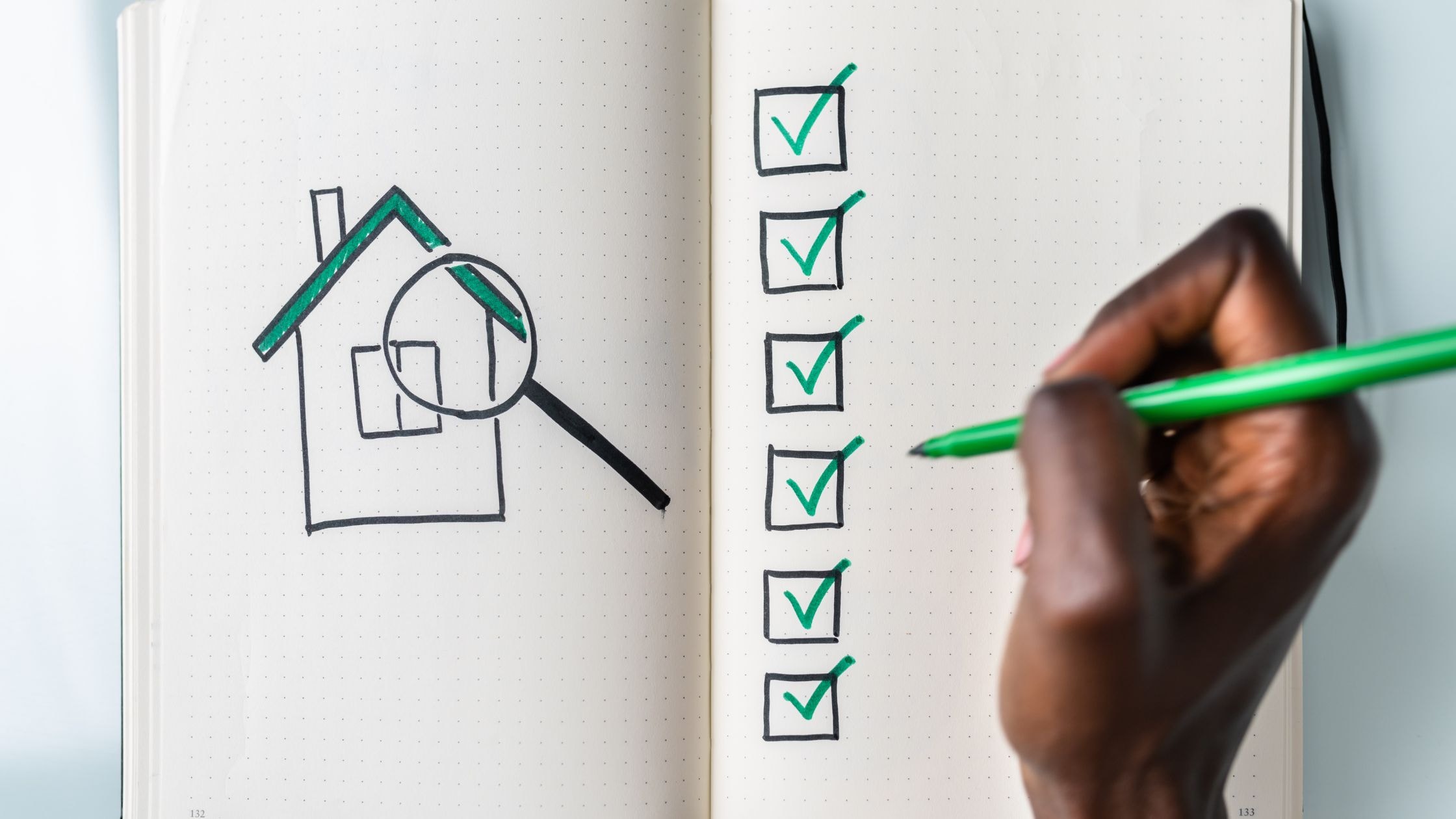
A well-thought-out plan is crucial for the success of your home addition project before diving into the construction process. Without proper preparation, even the tiniest oversight can lead to delays, budget overruns, or legal issues. A home addition checklist helps you address every critical aspect of the project, keeping everything organized, on track, and stress-free.
Key Components of Your Checklist
Define the purpose of the new space
Begin by identifying the addition’s function. Is it meant to be an extra bedroom, a larger kitchen, a home office, or perhaps a cozy family room? Knowing the purpose upfront will help guide the design, layout, and features you’ll need to include. Think about your household’s current and future needs, ensuring the new space adds both functionality and value to your home.
Establish a realistic budget
One of the most important steps is setting a clear and realistic budget. This includes accounting for materials, labor, permits, and any unexpected costs that might arise during construction. It’s wise to build a 10–20% buffer into your budget to handle unforeseen expenses. Be specific about where you want to spend and where you can save to avoid financial surprises.
Research zoning laws and property lines
Before starting construction, check local zoning regulations and property boundaries. Some neighborhoods or municipalities may have restrictions on the size, height, or placement of additions. Understanding these rules early on can save you from costly legal complications or the need to alter your plans after work has begun.
Obtain all necessary permits
Permits are essential for ensuring your project complies with local codes and regulations. Failing to secure the proper permits could result in fines, delays, or even tearing down parts of your addition. Contact your local government office to find out what permits you need and how to apply.
By planning thoroughly and following a comprehensive checklist, you can ensure your home addition project runs smoothly, stays within budget, and meets your expectations.
Did you know? If your home addition extends to outdoor areas, like porches or decks, your city might have different codes for these spaces.
Step 2: Design Your Living Space

Once your checklist is complete, it’s time to move on to the exciting design planning phase. This step is about visualizing how your new addition will integrate seamlessly with your home’s existing layout and functionality. A well-thought-out design not only enhances your home’s aesthetic appeal but also ensures that the new space becomes a practical and harmonious part of your daily life.
Here Are Some Key Room Addition Design Elements to Consider:
Seamless Integration: Pay close attention to how the new space blends with the original structure. The goal is to create a cohesive look where the addition feels like it has always been part of the home. Consider using similar materials, finishes, and architectural styles to maintain consistency and balance.
Careful Placement: Thoughtful room placement is crucial for optimizing the flow and usability of your home. Strategically position rooms to enhance your daily routines. For instance, adding a mudroom near a frequently used entrance can provide a convenient drop-off point for shoes, coats, and bags, keeping the rest of your home organized and clutter-free.
Natural Light: Lighting plays a significant role in making a space feel welcoming and functional. Incorporate windows, skylights, and light fixtures to ensure the addition is bright and inviting. Think about the direction of sunlight throughout the day to maximize natural light and reduce energy costs while creating a warm and comfortable atmosphere.
By carefully addressing these design elements, you can ensure that your home addition meets functional needs and elevates the overall living experience for you and your family members.
Quick tip: Choosing a cohesive color palette and similar materials helps your new space look like it’s always been there.
Step 3: Explore Remodeling Projects

The design doesn’t stop at the basics when it comes to home additions! To truly transform your living space, consider incorporating complementary remodel projects beyond the addition itself. These thoughtful upgrades can enhance functionality and style, creating a seamless and cohesive look throughout your home. By taking the opportunity to make small but impactful changes, you can ensure your space feels fresh, modern, and tailored to your needs.
Ideas to Elevate Your Home Addition:
Open up the layout: Consider removing walls or widening doorways to create a more open and modern flow between your addition and the existing spaces. This not only makes your home feel larger but also improves the way you move through your rooms daily.
Add versatile built-ins: Maximize utility by incorporating built-ins such as shelves, storage benches, or window seats. These additions provide storage and functionality while blending seamlessly with your new space, offering practicality and charm.
Upgrade older areas: Use this remodeling opportunity to refresh older parts of your home. Update flooring, repaint walls, or modernize fixtures in nearby rooms to create a cohesive look that ties everything together with your new addition. Matching the aesthetic throughout the house ensures that the entire space feels intentional and well-designed.
By pairing your home addition with these smart improvements, you’ll maximize your investment and create a space that truly feels like home.
Did you know? Adding a small bathroom to your room addition can exponentially increase functionality, particularly for families with young children or frequent guests.
Step 4: Hire a Reputable Contractor

The success of your project depends heavily on choosing the right contractor. This decision can make or break your renovation experience. A good contractor not only handles the physical aspects of the building but also guides you through the entire process, ensuring everything runs smoothly, from the initial discussions to the finishing touches. A good contractor can turn your vision into reality while helping you navigate challenges.
How to Choose the Right Contractor:
Look for experience in home renovations: Contractors with a solid track record in similar projects will have the expertise to handle your specific needs. Ask about their past projects to ensure they have experience with the work you need.
Check references and reviews: Don’t just take their word for it—request references from past clients and read online reviews to assess their reliability, quality of work, and professionalism. A contractor with a history of happy clients is a strong indicator of good service.
Discuss timelines, costs, and expectations upfront: Clear communication is essential. Sit down with your contractor to discuss every detail, from the budget and materials to the expected timeline. This will help you avoid surprises or misunderstandings later on.
Collaboration is key to ensuring a successful project. Take the time to find a contractor who genuinely understands your vision, listens to your needs, and shares your enthusiasm for bringing your home to life. A good contractor will execute the technical work and provide guidance, reassurance, and support throughout the project. With the right partnership, you can transform your home renovation into a seamless and rewarding experience.
Step 5: Address Building Codes and Permits
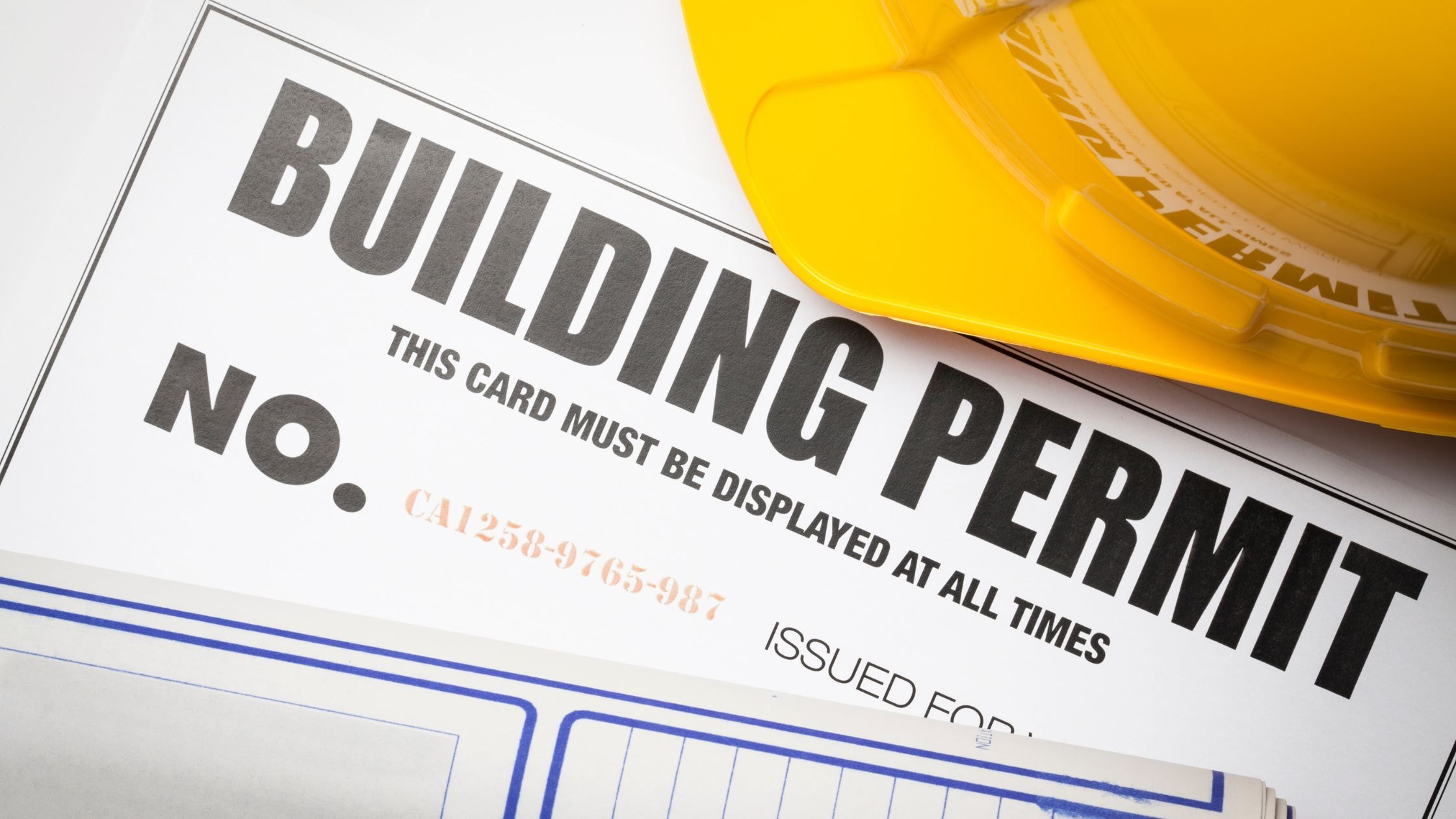
Navigating codes and securing building permits are essential steps for any home renovation or room addition. These processes are in place to ensure your project meets safety standards, complies with local regulations, and is legally sound. While they may seem like small details, they are critical to avoiding major issues down the road.
What to Know About Codes and Permits:
Building Codes: These are rules and guidelines established by local municipalities to ensure that all construction is done in a safe, secure, and standardized manner. Codes cover everything from structural integrity and electrical systems to plumbing and fire safety. Following these codes helps to ensure that your home renovation or addition is safe for you and your family while maintaining the property’s value.
Building Permits: Before starting any construction, you must obtain the proper permits from your local government. These permits serve as official approval for your project and are tailored to your addition’s size, type, and location. Permits can vary depending on whether you add a small sunroom, a garage, or a second story to your house. The permitting process often involves submitting detailed plans, paying fees, and undergoing inspections during and after construction.
Skipping these steps might seem tempting to save time or money, but it can have significant consequences. Without proper permits, you could face hefty fines, construction delays, or even be required to undo parts of your project. Additionally, unpermitted work can create problems if you ever decide to sell your home, as it may fail inspections or lower your property’s value.
Taking the time to understand and comply with codes and permits might seem tedious, but it’s well worth the effort. These regulations are designed to protect you, your home, and your community. By following them, you can ensure your renovation or room addition is successful — safe, legal, and built to last.
Quick tip: Work with a contractor who handles permits as part of their services. It will save you time and stress.
Step 6: Establish Your Project Timeline
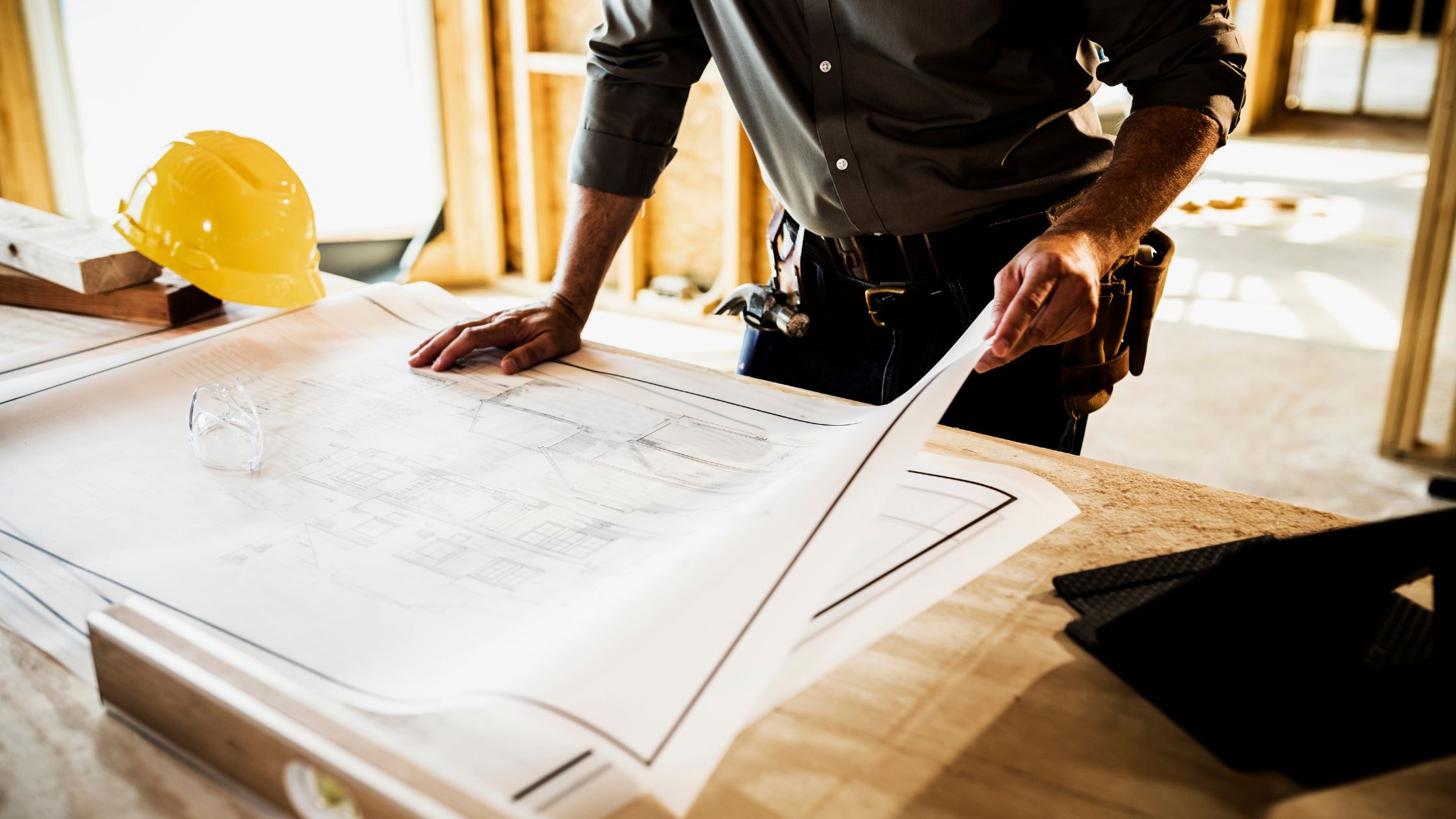
A home addition is a significant investment of time and money, requiring careful thought and preparation to ensure a successful outcome. Whether adding a new room, expanding an existing space, or building an entirely new structure, understanding the factors that can affect your project’s timeline is crucial. While construction timelines can vary widely based on the complexity and scope of the work, proper planning and communication can help reduce delays and keep the project on track.
Key Factors That Affect Timeline:
Scope of the Project: The size and complexity of the addition will heavily influence the timeline. For example, building a full-sized room addition with plumbing, electrical, and HVAC systems will take considerably more time than simply updating or remodeling an existing space. Larger or multi-room projects will naturally require more effort and coordination.
Weather Conditions: Outdoor projects, such as expanding your home’s footprint, depend heavily on favorable weather. Rain, snow, or extreme temperatures can significantly slow construction work, especially during concrete pouring or framing. Being aware of seasonal weather patterns in your area can help you choose the right time to begin.
Material Availability: Delays caused by waiting for materials can stall even the most well-planned projects. Pre-ordering materials and working with your contractor to source everything you need ahead of time can help minimize disruptions. Global supply chain issues or high demand for certain materials might also impact availability, so it’s important to plan accordingly.
To ensure your home addition stays on schedule, it’s essential to work closely with your contractor to establish a realistic timeline. Regular communication throughout the project is key to addressing issues as they arise and making adjustments when needed. Building flexibility for unforeseen circumstances can also help you navigate challenges without derailing the entire project.
Step 7: Financing Your Home Addition

Adding new space to your home or tackling a major remodeling project doesn’t have to derail your finances. For many homeowners, a home equity loan can be an effective way to fund these improvements without breaking the bank. By tapping into the equity you’ve built in your home over time, you can access the funds you need to bring your vision to life.
Why Home Equity Loans Are a Smart Choice:
Lower Interest Rates: Compared to personal loans or credit cards, these loans often come with significantly lower interest rates. This can make borrowing more affordable over the long term, saving you money while still allowing you to tackle those big projects.
Leverage Your Home’s Value: Instead of relying on unsecured loans, equity loans are based on the value of the equity you’ve built in your home. This makes them a practical, asset-based option for homeowners looking to reinvest in their property.
Predictable Payments: These loans often come with fixed interest rates and predictable monthly payments, helping you stay on top of your budget while paying for upgrades.
Before diving in, it’s important to consider how a loan fits into your overall financial plan. Discuss your options with a financial advisor or lender to ensure this approach aligns with your long-term goals, budget, and financial profile. With the right strategy, your home upgrade can become a reality without unnecessary financial stress.
Step 8: Enjoy Your Dream Home

Once your home addition is complete, it’s time to fully embrace its benefits to your daily life. With the extra square footage and functional upgrades, a well-designed addition not only enhances your lifestyle but also significantly boosts the value of your property. Imagine the possibilities—creating a cozy new bedroom where you can comfortably relax, expanding your kitchen with more space so it’s perfect for family gatherings and entertaining guests, or adding an elegant sunroom to enjoy natural light and peaceful moments year-round.
Each new space is more than an upgrade; it reflects your vision for your home, carefully brought to life with thoughtful planning and design. Your home addition isn’t just an improvement—it’s an investment in comfort, functionality, and the joy of living in a space that truly meets your needs. Now, it’s time to settle in and make the most of the transformation that turns your house into your ideal home.
Final Thoughts
Planning a home addition requires focus, but the result is worth it. With a clear home addition checklist, attention to codes, and guidance from a reputable contractor, you’re on your way to success.
Looking for more detailed tips and resources? Check out The Homeowner’s Guide to Home Additions: Building Your Dream Space for expert insights and actionable advice on your project.